
Diagnosis, Screening, and Early Detection of Squamous Cell Carcinoma
Squamous cell carcinoma (SCC) is a common form of skin cancer that arises from the squamous cells in the outer layer of the skin. Understanding its signs, effective screening methods, and precise diagnosis is crucial for successful treatment and improved patient outcomes.
Key Takeaways
- Early recognition of visual indicators like persistent red patches, open sores, or elevated growths is vital for prompt medical evaluation.
- Individuals with significant sun exposure, fair skin, or a history of skin cancer should adhere to regular screening guidelines.
- The definitive squamous cell carcinoma diagnosis relies on biopsy procedures, which determine the cancer’s presence and characteristics.
- Differentiating between cutaneous and non-cutaneous SCC, along with identifying high-risk subtypes, influences detection strategies and prognosis.
- Squamous cell carcinoma early detection significantly enhances treatment efficacy and overall survival rates.
Recognizing Early Signs of Squamous Cell Carcinoma
Identifying the initial manifestations of squamous cell carcinoma is paramount for timely intervention. While often appearing on sun-exposed areas, SCC can develop anywhere on the body, including mucous membranes.
Common Visual Indicators
The signs of squamous cell carcinoma can vary, but several common visual indicators should prompt concern. These often include:
- A persistent red, scaly patch that may bleed or crust.
- An open sore that does not heal within several weeks.
- A raised, firm, and often dome-shaped growth that may have a central depression.
- A wart-like growth that may be crusty or bleed easily.
- A rough, scaly patch on the lip that may evolve into an open sore.
These lesions may be tender or itchy, but often they are asymptomatic until they become more advanced. Regular self-skin exams are crucial for noticing new or changing spots.
When to Seek Medical Advice
It is important to seek medical advice promptly if you notice any suspicious skin changes, especially those that persist, grow, bleed, or fail to heal. A dermatologist can assess these lesions and determine the appropriate next steps. Delaying evaluation can allow the cancer to grow larger or spread, making treatment more complex. Understanding how to detect squamous cell carcinoma early begins with vigilance and professional consultation.
Screening Guidelines and Risk Factors for SCC
Proactive screening and awareness of personal risk factors are essential components of squamous cell carcinoma early detection. Certain populations are at a higher risk and should follow specific guidelines for regular checks.
Who Should Be Screened?
Screening for squamous cell carcinoma is particularly recommended for individuals with elevated risk factors. These include:
- Extensive Sun Exposure: People with a history of significant sun exposure, especially those who have experienced severe sunburns.
- Fair Skin: Individuals with light skin, blue or green eyes, and blond or red hair, who tend to burn easily.
- Previous Skin Cancer: A personal history of any type of skin cancer, including basal cell carcinoma or melanoma.
- Weakened Immune System: Organ transplant recipients or individuals on immunosuppressive medications are at a significantly higher risk.
- Actinic Keratoses: Presence of these precancerous lesions, which can evolve into SCC.
The American Academy of Dermatology recommends annual professional skin exams for high-risk individuals, while others should discuss their specific needs with a healthcare provider. These squamous cell carcinoma screening guidelines help ensure that potential cancers are identified at their earliest stages.
Personal Risk Assessment
Understanding your personal risk profile involves considering your genetic background, lifestyle, and medical history. Regular self-skin exams, performed monthly, allow individuals to become familiar with their skin and notice any new or changing moles, spots, or lesions. This personal vigilance, combined with professional check-ups, forms the basis of effective types of squamous cell carcinoma screening. Discussing your risk factors with a doctor can help tailor a personalized screening schedule, emphasizing the importance of ongoing surveillance.
Methods for Squamous Cell Carcinoma Diagnosis
Once a suspicious lesion is identified, a definitive squamous cell carcinoma diagnosis requires specific medical procedures. These methods confirm the presence of cancer and provide crucial information for treatment planning.
Biopsy Procedures Explained
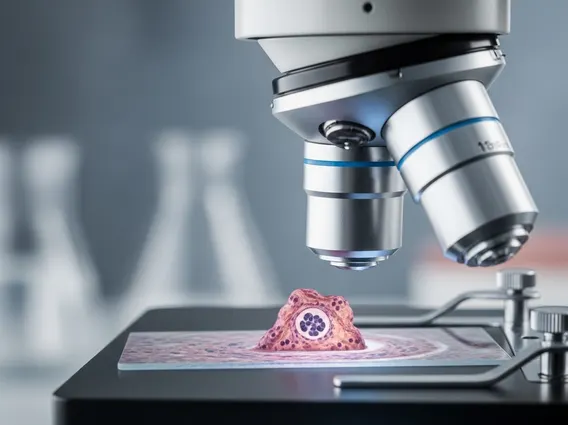
The gold standard for confirming SCC is a biopsy, where a small tissue sample is removed and examined under a microscope by a pathologist. Several squamous cell carcinoma diagnosis methods involving biopsies are used:
- Shave Biopsy: A sterile razor is used to shave off the top layers of the lesion. This is often used for superficial lesions.
- Punch Biopsy: A circular tool removes a deeper core of tissue, including layers beneath the surface. This provides a more comprehensive sample.
- Excisional Biopsy: The entire lesion and a small margin of surrounding healthy tissue are surgically removed. This can be both diagnostic and therapeutic if the lesion is small and localized.
- Incisional Biopsy: Only a part of a large lesion is removed. This is often done when complete removal is not feasible or to confirm diagnosis before a larger surgical procedure.
The pathologist’s report will confirm whether cancer cells are present, their type, and how deeply they have invaded the skin.
Staging and Further Evaluation
After a positive biopsy, further evaluation may be necessary, particularly for larger or more aggressive tumors. Staging helps determine if the cancer has spread beyond the original site. This might involve:
- Clinical Examination: Checking lymph nodes near the tumor site for enlargement.
- Imaging Tests: In rare cases, for very advanced or high-risk SCC, imaging like CT scans, MRI, or PET scans may be used to look for spread to other organs.
- Sentinel Lymph Node Biopsy: For high-risk SCC, this procedure may be performed to check if cancer cells have spread to the nearest lymph nodes.
The staging process is critical for guiding treatment decisions and predicting prognosis, ensuring that the most appropriate and effective therapy is chosen for each patient.
Types of Squamous Cell Carcinoma and Detection
Squamous cell carcinoma can manifest in various forms and locations, each with unique considerations for detection and management. Recognizing these distinctions is key to effective intervention.
Cutaneous vs. Non-Cutaneous SCC
The most common form is cutaneous squamous cell carcinoma, which originates in the skin and is often linked to UV radiation exposure. It typically appears on sun-exposed areas like the face, ears, neck, hands, and arms. Detection for cutaneous SCC heavily relies on visual inspection and biopsy of suspicious skin lesions.
In contrast, non-cutaneous squamous cell carcinoma develops in other parts of the body, such as the mucous membranes (e.g., mouth, throat, genitals) or internal organs (e.g., lungs, esophagus). These forms are often harder to detect early due to their internal location and less obvious symptoms. Diagnosis typically involves endoscopy, imaging, and biopsies of internal lesions. While less common, non-cutaneous SCC can be more aggressive and requires a high index of suspicion, especially in individuals with specific risk factors like smoking or HPV infection.
High-Risk Subtypes
Certain subtypes of SCC are considered high-risk due to their increased potential for recurrence or metastasis. These include SCCs that are:
- Large or deeply invasive.
- Located on high-risk anatomical sites such as the lips, ears, eyelids, nose, or genitals.
- Rapidly growing or showing aggressive features under microscopic examination.
- Occurring in immunosuppressed individuals.
- Arising in areas of chronic inflammation, scars, or radiation-damaged skin.
For these high-risk subtypes, more aggressive treatment approaches and closer follow-up are often recommended. Understanding how to detect squamous cell carcinoma early in these contexts involves not only visual inspection but also considering the patient’s overall health and specific lesion characteristics, guiding more intensive screening and diagnostic efforts.
The Importance of Early Detection and Prognosis
The timely identification of squamous cell carcinoma is a cornerstone of successful treatment, profoundly influencing the patient’s prognosis and quality of life.
Impact on Treatment Outcomes
Squamous cell carcinoma early detection significantly improves treatment outcomes. When SCC is identified and treated at an early, localized stage, the cure rate is exceptionally high, often exceeding 95%. According to organizations like the American Academy of Dermatology, early-stage SCC can typically be removed with minimally invasive procedures, such as surgical excision, Mohs micrographic surgery, or cryosurgery, often with excellent cosmetic results.
Conversely, if SCC is allowed to progress, it can grow larger, invade deeper tissues, and potentially spread to lymph nodes or distant organs. Advanced SCC requires more extensive and complex treatments, which may include larger surgeries, radiation therapy, or systemic therapies, leading to greater morbidity and a less favorable prognosis. Early detection not only simplifies treatment but also reduces the risk of recurrence and improves long-term survival rates, underscoring its critical role in managing this common skin cancer.
Frequently Asked Questions
What are the most common signs of SCC?
The most common signs of squamous cell carcinoma include persistent red, scaly patches that may bleed or crust, open sores that do not heal, and raised, firm growths that might have a central depression. These lesions often appear on sun-exposed areas but can occur anywhere. Any new or changing skin lesion, especially one that persists for several weeks, warrants medical evaluation to ensure squamous cell carcinoma early detection and proper diagnosis.
Who is at highest risk for SCC and should be screened?
Individuals at highest risk for SCC include those with extensive sun exposure, fair skin, a personal history of skin cancer, or a weakened immune system. People with numerous actinic keratoses (precancerous lesions) are also at increased risk. Regular professional skin exams are recommended for these high-risk groups, alongside monthly self-skin checks. Adhering to these squamous cell carcinoma screening guidelines is crucial for timely identification and intervention.
How is SCC definitively diagnosed?
A definitive squamous cell carcinoma diagnosis is made through a biopsy. During this procedure, a small tissue sample from the suspicious lesion is removed and sent to a pathologist for microscopic examination. The pathologist confirms the presence of cancer cells, their type, and the depth of invasion. Various biopsy types, such as shave, punch, or excisional biopsies, are chosen based on the lesion’s characteristics and location, forming the core of squamous cell carcinoma diagnosis methods.



