Copper: Role in Iron Metabolism and Nerve Health
Copper is an essential trace mineral vital for numerous physiological processes, acting as a cofactor for various enzymes. Its multifaceted roles extend from energy production and connective tissue formation to maintaining a robust immune system. This article delves into the critical importance of copper for metabolism, specifically highlighting its intricate involvement in iron utilization and its profound impact on nerve health.
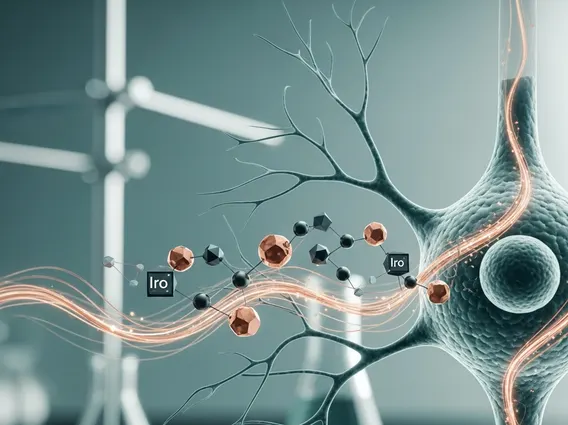
Key Takeaways
- Copper is crucial for proper iron metabolism, facilitating iron absorption and its transport throughout the body via enzymes like ceruloplasmin.
- A deficiency in copper can lead to iron-refractory anemia and neurological impairments due to its direct involvement in iron utilization.
- Copper plays a significant role in nerve health by supporting myelin formation, neurotransmitter synthesis, and protecting neural tissues from oxidative stress.
- Recognizing copper deficiency symptoms, which can mimic iron deficiency, is essential for timely diagnosis and intervention.
- Maintaining an optimal balance of copper is vital, as both deficiency and excess can have detrimental health effects.
Copper’s Role in Iron Metabolism
The intricate relationship between copper and iron is fundamental to overall health, particularly concerning blood formation and oxygen transport. Copper’s role in iron absorption is not direct but rather facilitative, primarily through its involvement in the function of specific enzymes. One of the most critical enzymes is ceruloplasmin, a copper-containing protein that oxidizes ferrous iron (Fe2+) to ferric iron (Fe3+). This oxidation step is essential because iron can only be loaded onto its transport protein, transferrin, in its ferric state, allowing it to be safely transported in the bloodstream to various tissues, including the bone marrow for red blood cell production.
The complex copper and iron interaction in body means that adequate copper levels are indispensable for efficient iron utilization. Without sufficient copper, iron can accumulate in tissues, particularly the liver, while remaining unavailable for erythropoiesis (red blood cell formation). This can lead to a type of anemia that is unresponsive to iron supplementation alone, often misdiagnosed as simple iron deficiency. Therefore, understanding this synergistic relationship is crucial for diagnosing and treating certain forms of anemia, emphasizing that iron metabolism is a finely tuned process requiring multiple nutrient cofactors.
Ceruloplasmin and Iron Transport
Ceruloplasmin, a ferroxidase enzyme, is central to the systemic regulation of iron. Synthesized in the liver, it circulates in the blood and is responsible for oxidizing iron released from cells, such as enterocytes in the gut or macrophages that recycle old red blood cells. This oxidation is a prerequisite for iron binding to transferrin, which then transports iron to tissues where it is needed. A deficiency in copper directly impairs ceruloplasmin activity, leading to impaired iron efflux from cells and subsequent iron accumulation in tissues, while simultaneously causing functional iron deficiency in other areas like the bone marrow, where new red blood cells are formed.
Hemoglobin Synthesis and Red Blood Cell Formation
Beyond its role in iron transport, copper also indirectly supports hemoglobin synthesis, the protein in red blood cells responsible for carrying oxygen. While iron is a direct component of hemoglobin, copper-dependent enzymes are involved in various stages of red blood cell maturation and the incorporation of iron into the heme structure. For instance, copper is required for the proper functioning of enzymes involved in the synthesis of heme, the non-protein part of hemoglobin that binds oxygen. Thus, a lack of copper can disrupt the entire process of red blood cell formation, leading to microcytic, hypochromic anemia, characterized by small, pale red blood cells that are inefficient at oxygen transport.
How Copper Supports Nerve Health
The brain and nervous system are particularly vulnerable to imbalances in trace minerals, and copper is no exception. How copper impacts nerve function is multifaceted, involving its participation in myelin sheath formation, neurotransmitter synthesis, and antioxidant defense. Myelin, the fatty sheath that insulates nerve fibers, is crucial for rapid and efficient transmission of nerve impulses. Copper-dependent enzymes are involved in the synthesis of phospholipids and cholesterol, key components of myelin, making copper essential for maintaining the structural integrity and function of nerve cells.
Furthermore, copper’s effect on nervous system extends to its role in neurotransmitter production. It is a cofactor for enzymes like dopamine beta-hydroxylase, which converts dopamine to norepinephrine, a critical neurotransmitter involved in mood, attention, and stress response. The benefits of copper for nerve health also include its powerful antioxidant properties. Copper is a component of superoxide dismutase (SOD), an enzyme that neutralizes harmful free radicals, thereby protecting neural tissues from oxidative damage, which is implicated in neurodegenerative diseases. This protective role underscores copper’s importance in maintaining long-term cognitive function and overall neurological well-being.
Research indicates that maintaining optimal copper levels is crucial for cognitive function throughout life. Studies have shown that both copper deficiency and excess can impair brain function, affecting memory, learning, and motor control. For instance, a 2018 review published in the journal “Nutrients” highlighted that copper dyshomeostasis is observed in various neurodegenerative disorders, suggesting its critical role in maintaining neuronal health and preventing neurological decline. This emphasizes the delicate balance required for copper in the brain, where it acts as a double-edged sword if not properly regulated.
Recognizing Copper Deficiency Symptoms
Identifying copper deficiency symptoms can be challenging as they often overlap with other conditions, particularly iron deficiency. One of the most prominent signs related to iron metabolism is a persistent anemia that does not respond to iron supplementation. This type of anemia, often microcytic and hypochromic, is a direct consequence of impaired iron utilization due to insufficient copper-dependent ceruloplasmin activity. Patients may experience fatigue, weakness, and pallor, similar to iron deficiency, making accurate diagnosis crucial.
Beyond iron metabolism, copper deficiency symptoms iron metabolism related issues are often accompanied by a range of neurological manifestations, given copper’s vital role in nerve health. These symptoms can include:
- Peripheral Neuropathy: Numbness, tingling, or weakness in the limbs, often starting in the hands and feet.
- Ataxia: Impaired balance and coordination, leading to an unsteady gait.
- Myelopathy: Damage to the spinal cord, which can cause difficulty walking and muscle weakness.
- Cognitive Impairment: Memory problems, difficulty concentrating, and general cognitive decline.
- Optic Neuropathy: Vision problems due to damage to the optic nerve.
Other non-neurological symptoms may include osteopenia or osteoporosis (bone abnormalities), increased susceptibility to infections due to impaired immune function, and changes in hair and skin pigmentation. While overt copper deficiency is rare in healthy individuals, certain populations are at higher risk, including those with malabsorption disorders (e.g., celiac disease, bariatric surgery patients), individuals on long-term total parenteral nutrition, or those with excessive zinc intake, as zinc can interfere with copper absorption. Early recognition and treatment are essential to prevent irreversible neurological damage and other severe health complications.
Frequently Asked Questions
How does copper influence iron absorption?
Copper indirectly influences iron absorption by enabling its transport. It is a vital component of ceruloplasmin, an enzyme that oxidizes iron from its ferrous (Fe2+) to ferric (Fe3+) state. This oxidation is crucial because iron can only bind to its transport protein, transferrin, in the ferric form, allowing it to be safely moved throughout the body. Without adequate copper, iron cannot be properly mobilized from storage sites or absorbed efficiently, leading to functional iron deficiency despite sufficient dietary iron intake.
What are the main neurological symptoms of copper deficiency?
The main neurological symptoms of copper deficiency stem from its role in myelin formation and neurotransmitter synthesis. These can include peripheral neuropathy, characterized by numbness, tingling, and weakness in the limbs, and ataxia, which manifests as impaired balance and coordination. Other symptoms may involve myelopathy (spinal cord damage) and cognitive impairments such as memory loss or difficulty concentrating. These neurological issues highlight copper’s critical contribution to the structural integrity and functional efficiency of the nervous system.
Can too much copper be harmful?
Yes, both too little and too much copper can be harmful. Excess copper, known as copper toxicity, can lead to various health problems, including liver damage, kidney dysfunction, and neurological issues. Symptoms of copper toxicity may include nausea, vomiting, abdominal pain, diarrhea, and in severe cases, jaundice and hemolytic anemia. This condition can arise from genetic disorders like Wilson’s disease, which impairs copper excretion, or from environmental exposure. Maintaining a balanced intake, typically through a varied diet, is crucial to avoid both deficiency and toxicity.
Disclaimer: The information provided in this article is for educational purposes only and is not intended as medical advice. Always consult with a qualified healthcare professional for any health concerns or before making any decisions related to your health or treatment.