Conscious Sedation
Conscious sedation is a safe and effective method used in various medical and dental procedures to help patients relax and minimize discomfort. It allows individuals to remain awake and responsive while feeling calm and at ease.
Key Takeaways
- Conscious sedation helps patients relax and reduces pain perception during medical or dental procedures.
- Patients remain awake, able to communicate, and breathe independently throughout the process.
- It involves administering medication, often orally, intravenously, or through inhalation, to achieve a state of deep relaxation.
- Benefits include reduced anxiety, pain relief, and often a limited memory of the procedure.
- It is a safer alternative to general anesthesia for many minor procedures, offering quicker recovery.
What is Conscious Sedation?
What is conscious sedation? Often referred to as “twilight sleep,” conscious sedation is a technique that uses medication to help patients relax during medical or dental procedures. It’s a state where you are awake and able to respond to verbal commands, but feel very calm and comfortable. This approach is distinct from general anesthesia, where a patient is completely unconscious and unable to respond.
The primary goal of conscious sedation definition and uses is to alleviate anxiety and pain, making procedures more tolerable for patients. It is widely used in dentistry for treatments like extractions, root canals, or extensive cleanings, and in medicine for procedures such as colonoscopies, endoscopies, minor surgeries, or biopsies. This method ensures patient comfort while maintaining essential bodily functions, such as breathing and heart rate, without the need for mechanical assistance.
How Conscious Sedation Works
How does conscious sedation work? The process involves administering sedative medications that depress the central nervous system, inducing a state of deep relaxation without loss of consciousness. These medications can be given in several ways:
- Oral Sedation: Patients take a pill, typically an hour before the procedure, to induce a relaxed state.
- Inhaled Sedation: Nitrous oxide, commonly known as “laughing gas,” is inhaled through a mask, providing rapid onset and offset of effects.
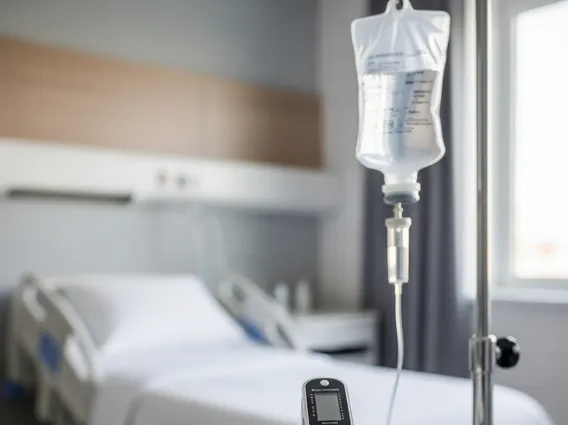
- Intravenous (IV) Sedation: Medications are delivered directly into a vein, allowing for precise control over the level of sedation and quick adjustments.
Regardless of the method, the medications work by slowing down brain activity, which reduces anxiety and pain perception. Patients often experience a feeling of drowsiness, warmth, and detachment. While under conscious sedation, patients can still communicate, follow instructions, and maintain their own breathing. Many patients report having little to no memory of the procedure afterward, contributing to a more positive experience.
Benefits and Uses of Conscious Sedation
The Benefits of conscious sedation are numerous, making it a preferred option for many patients and practitioners. One of the most significant advantages is the reduction of anxiety and fear, particularly for individuals with dental phobia or those undergoing potentially uncomfortable medical examinations. A study published in the Journal of Dental Anesthesia and Pain Medicine highlighted that conscious sedation significantly improves patient satisfaction and cooperation during dental procedures.
Key benefits include:
- Anxiety Reduction: Helps patients overcome fear and stress associated with medical or dental treatments.
- Pain Management: While not a primary painkiller, it significantly raises the pain threshold and makes discomfort more tolerable.
- Amnesia: Many patients have little to no recollection of the procedure, which can be beneficial for those with traumatic past experiences.
- Quick Recovery: Patients recover relatively quickly compared to general anesthesia, often able to return home the same day with a responsible adult.
- Safety: Patients remain conscious and responsive, allowing for continuous monitoring of vital signs and communication with the medical team.
Conscious sedation is a versatile tool, enhancing patient comfort and enabling healthcare providers to perform necessary procedures more efficiently and effectively. Its widespread application underscores its value in modern healthcare, ensuring a less stressful experience for a broad range of patients.