Congestive Heart Failure
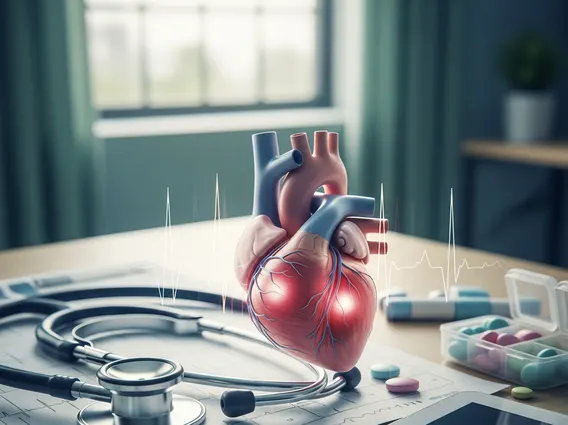
Congestive Heart Failure (CHF) is a chronic, progressive condition affecting the heart’s ability to pump blood efficiently. It does not mean the heart has stopped working, but rather that it is failing to meet the body’s demands for blood and oxygen.
Key Takeaways
- CHF is a chronic condition where the heart cannot pump blood effectively, leading to fluid buildup.
- Common symptoms include shortness of breath, fatigue, and swelling in the legs and ankles.
- It is often caused by underlying conditions like coronary artery disease, high blood pressure, and diabetes.
- Treatment involves a combination of medications, lifestyle adjustments, and sometimes medical procedures or devices.
- Early diagnosis and consistent management are crucial for improving symptoms and enhancing quality of life.
What is Congestive Heart Failure?
What is congestive heart failure? It is a serious, long-term condition where the heart muscle becomes too weak or stiff to pump enough blood to meet the body’s needs. This inefficiency leads to a backup of blood, causing fluid to accumulate in the lungs, abdomen, and other parts of the body, a phenomenon known as “congestion.” It is a progressive disease, meaning it tends to worsen over time, but proper management can significantly improve symptoms and slow its progression.
According to the Centers for Disease Control and Prevention (CDC), about 6.2 million adults in the United States have heart failure. It is a major cause of hospitalization among older adults and can significantly impact quality of life, making everyday activities challenging.
Symptoms and Causes of CHF
Recognizing the signs of this condition is vital for early intervention. The most common congestive heart failure symptoms often develop gradually and can include:
- Shortness of breath (dyspnea): This may occur during activity, at rest, or when lying flat.
- Fatigue and weakness: A persistent feeling of tiredness, even after rest, as the heart cannot supply enough oxygen-rich blood.
- Swelling (edema): Fluid retention often causes swelling in the legs, ankles, and feet, and sometimes in the abdomen.
- Rapid or irregular heartbeat: The heart may beat faster to try and pump enough blood.
- Persistent cough or wheezing: This can be accompanied by white or pink blood-tinged mucus, due to fluid buildup in the lungs.
- Increased need to urinate at night: Fluid retained during the day is processed by the kidneys when lying down.
- Sudden weight gain: This is often due to fluid retention, not increased fat.
Understanding the causes of congestive heart failure is crucial for prevention and treatment. CHF typically develops when other conditions have damaged or weakened the heart. Key contributing factors include:
- Coronary Artery Disease (CAD): Narrowed arteries reduce blood flow to the heart muscle, weakening it.
- High Blood Pressure (Hypertension): Uncontrolled high blood pressure forces the heart to work harder, leading to thickening and weakening of the heart muscle over time.
- Previous Heart Attack (Myocardial Infarction): Damage to the heart muscle from a heart attack can impair its pumping ability.
- Diabetes: High blood sugar levels can damage blood vessels and nerves, including those in the heart.
- Valvular Heart Disease: Faulty heart valves can force the heart to work harder to pump blood, leading to strain.
- Cardiomyopathy: Diseases of the heart muscle itself, which can be genetic or acquired.
- Arrhythmias: Irregular heart rhythms can prevent the heart from pumping effectively.
Treatment and Management for CHF
The primary goals of congestive heart failure treatment are to improve symptoms, prevent the condition from worsening, and enhance quality of life. Treatment plans are highly individualized and often involve a combination of medications, lifestyle changes, and sometimes medical procedures or devices.
Medical Treatments:
- Medications: Doctors often prescribe diuretics to reduce fluid retention, ACE inhibitors or ARBs to relax blood vessels and lower blood pressure, beta-blockers to slow heart rate and reduce blood pressure, and other medications like SGLT2 inhibitors or ARNIs to improve heart function and reduce hospitalizations.
- Implantable Devices: For some patients, devices like pacemakers, implantable cardioverter-defibrillators (ICDs), or cardiac resynchronization therapy (CRT) devices can help regulate heart rhythm and improve pumping efficiency.
- Surgery: In severe cases, surgical options may include coronary artery bypass graft (CABG) for CAD, heart valve repair or replacement, or even a heart transplant.
Lifestyle Modifications:
Alongside medical interventions, significant lifestyle adjustments are vital for managing CHF:
- Dietary Changes: Adopting a low-sodium diet helps reduce fluid retention and blood pressure.
- Regular Physical Activity: Engaging in moderate exercise, as advised by a healthcare provider, can strengthen the heart and improve overall fitness.
- Weight Management: Maintaining a healthy weight reduces the strain on the heart.
- Smoking Cessation and Alcohol Limitation: Quitting smoking and limiting alcohol intake are crucial for heart health.
- Monitoring Symptoms: Regularly checking weight and being aware of any changes in symptoms can help prevent exacerbations.
It is important to note that any information regarding alternative or complementary therapies is supportive only and does not replace conventional medical treatment. Always consult with a healthcare professional for diagnosis and treatment of congestive heart failure.