
Common Mistakes to Avoid on a Plant-Based Diet
Adopting a plant-based diet offers numerous health benefits, from improved heart health to reduced risk of chronic diseases. However, transitioning to this eating pattern without proper planning can lead to common vegan diet errors and potential nutrient deficiencies. This article outlines key plant-based diet mistakes to avoid to ensure your journey is both healthy and sustainable.
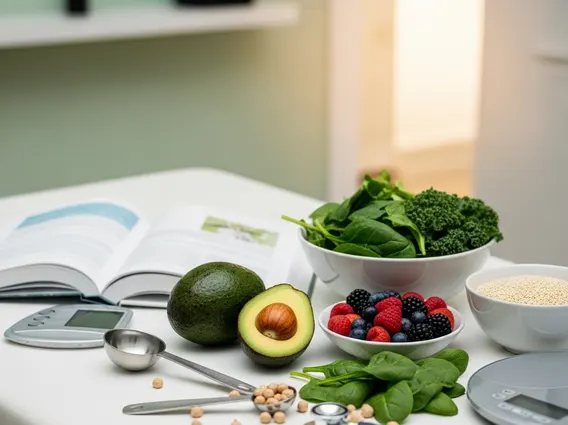
Key Takeaways
- Prioritize whole, unprocessed plant foods over highly processed vegan alternatives to maximize nutritional intake and avoid the “junk food vegan” trap.
- Actively monitor and supplement essential nutrients like Vitamin B12, Iron, and Omega-3s to prevent deficiencies.
- Understand the connection between poorly planned plant-based diets, processed foods, and potential long-term health risks, including increased cancer risk.
- Focus on building balanced meals with diverse protein sources and a wide array of fruits, vegetables, whole grains, and legumes.
- Develop strategies for navigating social situations and managing cravings to overcome common plant-based diet challenges and solutions.
Falling for the ‘Junk Food Vegan’ Trap
One of the most significant beginner plant-based diet pitfalls is assuming that all vegan food is inherently healthy. The rise of plant-based alternatives has also brought an abundance of highly processed vegan junk foods, from sugary desserts and fried snacks to ultra-processed meat and cheese substitutes. Consuming these regularly can negate many of the health benefits associated with a whole-food, plant-based diet, making it a crucial plant-based diet mistake to avoid.
Prioritizing Whole, Unprocessed Foods
To truly reap the rewards of a plant-based lifestyle, focus on a diet rich in whole, unprocessed foods. This includes an abundance of fruits, vegetables, legumes (beans, lentils, chickpeas), whole grains (oats, quinoa, brown rice), nuts, and seeds. These foods are packed with fiber, vitamins, minerals, and antioxidants, which are vital for optimal health. For example, a diet rich in fruits and vegetables is associated with a lower risk of many chronic diseases, including heart disease and certain cancers, according to the World Health Organization (WHO).
Choosing whole foods over processed vegan options helps you avoid excessive added sugars, unhealthy fats, and artificial ingredients often found in convenience foods. This approach is central to healthy plant-based eating tips and ensures you’re nourishing your body effectively.
Reading Labels and Hidden Ingredients
Even seemingly healthy plant-based products can contain hidden ingredients that undermine your dietary goals. It’s essential to become adept at reading food labels. Look out for high amounts of added sugars (often listed as sucrose, high-fructose corn syrup, or various syrups), unhealthy saturated and trans fats (like palm oil or hydrogenated oils), and excessive sodium. These ingredients, even in plant-based forms, can contribute to inflammation, weight gain, and an increased risk of chronic diseases.
Understanding what’s in your food empowers you to make informed choices and avoid what not to do on a plant-based diet, ensuring your meals are truly beneficial for your health.
Overlooking Essential Plant-Based Nutrients
While a well-planned plant-based diet can provide all necessary nutrients, certain vitamins and minerals require careful attention. Overlooking these essential nutrients is a common vegan diet error that can lead to deficiencies if not addressed proactively. Knowing how to avoid nutrient deficiencies plant-based is key to long-term health.
Key Nutrients to Monitor (B12, Iron, Omega-3s)
Several nutrients warrant particular attention on a plant-based diet:
- Vitamin B12: This vitamin is crucial for nerve function and red blood cell formation. It is primarily found in animal products, as it’s produced by bacteria. Therefore, B12 supplementation is essential for all vegans and often recommended for vegetarians.
- Iron: Plant-based diets contain non-heme iron, which is less readily absorbed than heme iron from animal sources. Good plant sources include lentils, beans, spinach, fortified cereals, and tofu. To enhance absorption, pair iron-rich foods with vitamin C sources (e.g., bell peppers, citrus fruits). Avoid consuming iron-rich meals with coffee or tea, which can inhibit absorption.
- Omega-3 Fatty Acids: While plant foods like flaxseeds, chia seeds, and walnuts provide alpha-linolenic acid (ALA), the conversion to the active forms, EPA and DHA, can be inefficient. These long-chain omega-3s are vital for brain and heart health.
Smart Supplementation and Fortified Foods
To effectively how to avoid nutrient deficiencies plant-based, strategic supplementation and the inclusion of fortified foods are often necessary. For Vitamin B12, a reliable supplement is non-negotiable. For Omega-3s, consider an algae-based DHA/EPA supplement, especially if your intake of ALA-rich foods is inconsistent.
Fortified foods, such as plant milks (soy, almond, oat) and some cereals, can also contribute to your intake of calcium, vitamin D, and sometimes B12. Always check labels to ensure they are fortified. Consulting a healthcare professional or a registered dietitian specializing in plant-based nutrition can provide personalized guidance on supplementation based on individual needs and dietary patterns.
Connecting Plant-Based Diet Mistakes to Cancer Risk
While a well-planned plant-based diet is widely recognized for its potential to reduce cancer risk, certain plant based diet mistakes cancer risk factors can emerge from poorly executed transitions. Understanding these connections is vital for optimizing health outcomes.
Impact of Nutrient Deficiencies on Cellular Health
Chronic nutrient deficiencies, particularly those that can arise from an unplanned plant-based diet, can have a detrimental impact on cellular health and potentially increase disease risk. For instance, insufficient intake of antioxidants (found abundantly in fruits and vegetables) can lead to increased oxidative stress, which damages cells and DNA. Deficiencies in certain B vitamins, including B12 and folate, can impair DNA synthesis and repair mechanisms, potentially contributing to cellular abnormalities. While a plant-based diet is generally rich in many protective compounds, neglecting key nutrients like B12 or ensuring adequate iron and omega-3s can compromise the body’s ability to maintain optimal cellular function and immune response, thereby indirectly influencing disease susceptibility.
The Role of Processed Foods in Disease Risk
The consumption of ultra-processed foods, even if they are vegan, is a significant concern. These foods are often high in added sugars, unhealthy fats, and sodium, and low in fiber and micronutrients. Research, including studies cited by organizations like the World Cancer Research Fund, indicates a strong link between high intake of ultra-processed foods and an increased risk of various non-communicable diseases, including obesity, type 2 diabetes, cardiovascular disease, and certain types of cancer. Therefore, falling into the “junk food vegan” trap and relying heavily on these items is a critical plant based diet mistake cancer risk factor that can undermine the protective benefits of a whole-food plant-based approach.
Building a Truly Balanced Plant-Based Plate
Achieving a truly balanced plant-based diet goes beyond simply avoiding animal products; it requires thoughtful meal planning to ensure all nutritional needs are met. This is one of the most important healthy plant-based eating tips for beginners and seasoned vegans alike.
Ensuring Protein Adequacy
Protein is a fundamental macronutrient, and ensuring adequate intake is a common concern for those new to plant-based eating. Fortunately, plants offer a wide array of excellent protein sources. It’s not necessary to combine specific plant proteins at every meal to form “complete” proteins, as long as a variety of protein-rich plant foods are consumed throughout the day. The body effectively combines amino acids from different sources.
Excellent plant-based protein sources include:
- Legumes: Lentils, chickpeas, black beans, kidney beans, edamame
- Soy Products: Tofu, tempeh, edamame, fortified soy milk
- Grains: Quinoa, oats, whole wheat pasta, brown rice
- Nuts and Seeds: Almonds, walnuts, cashews, chia seeds, flaxseeds, hemp seeds, pumpkin seeds
- Seitan: A wheat-based protein source
Aim to include a protein source in every meal to support satiety and muscle maintenance.
Incorporating Diverse Plant Foods
Variety is not just the spice of life; it’s also crucial for a nutritionally complete plant-based diet. Different plant foods offer unique profiles of vitamins, minerals, antioxidants, and phytochemicals. Incorporating a wide spectrum of colors and types of plant foods helps ensure you’re getting a broad range of beneficial compounds. This strategy also helps prevent beginner plant-based diet pitfalls related to nutrient gaps.
Strive to “eat the rainbow” by including:
- Leafy Greens: Spinach, kale, collard greens, romaine lettuce
- Cruciferous Vegetables: Broccoli, cauliflower, Brussels sprouts, cabbage
- Root Vegetables: Carrots, sweet potatoes, beets, parsnips
- Berries and Fruits: Blueberries, strawberries, apples, bananas, oranges
- Whole Grains: Farro, barley, millet, oats, quinoa
A diverse diet also supports a healthy gut microbiome, which is increasingly recognized for its role in overall health and immunity.
Navigating Social Situations and Cravings
Beyond nutritional considerations, the practical and psychological aspects of a plant-based diet can present significant plant-based diet challenges and solutions. Learning to navigate social situations and manage cravings effectively is vital for long-term adherence and enjoyment.
Eating Out and Travel Tips
Eating out or traveling can be daunting for those on a plant-based diet, but with a few strategies, it can be managed smoothly:
- Research Ahead: Before dining out, check restaurant menus online for vegan options or call ahead to inquire about accommodations.
- Communicate Clearly: When ordering, clearly explain your dietary needs to the server. Don’t hesitate to ask about ingredients or request modifications.
- Pack Snacks: For travel or long outings, bring your own plant-based snacks like nuts, seeds, fruit, or energy bars to avoid limited options or unhealthy choices.
- Embrace Ethnic Cuisines: Many ethnic cuisines, such as Indian, Thai, Mexican, and Mediterranean, naturally offer a wealth of delicious plant-based dishes.
These tips help avoid common plant-based diet mistakes to avoid when outside your home environment.
Managing Cravings and Emotional Eating
Cravings, especially for familiar comfort foods, are a common hurdle when transitioning to a plant-based diet. Distinguishing between physical hunger and emotional eating is the first step. If it’s emotional, try to address the underlying feeling rather than reaching for food.
For physical cravings, having healthy plant-based alternatives ready can be very helpful:
- Sweet Cravings: Opt for fresh fruit, dates, a small portion of dark chocolate, or a fruit smoothie.
- Salty Cravings: Try roasted chickpeas, air-popped popcorn, or veggie sticks with hummus.
- Creamy Cravings: Avocado, nut butters, or plant-based yogurts can satisfy this desire.
Mindfulness, adequate sleep, and stress management also play a significant role in reducing cravings and preventing beginner plant-based diet pitfalls related to emotional eating. Remember that adapting to new tastes and habits takes time and patience.
Frequently Asked Questions
How quickly can nutrient deficiencies develop on a plant-based diet?
The timeline for nutrient deficiencies varies greatly depending on individual dietary habits, existing nutrient stores, and overall health. Some deficiencies, like Vitamin B12, can take months or even years to manifest symptoms because the body stores it efficiently. Others, like iron or Omega-3s, might show signs more quickly if dietary intake is consistently inadequate. Regular monitoring and proactive supplementation, especially for B12, are crucial from the outset to effectively how to avoid nutrient deficiencies plant-based and maintain optimal health.
Is it true that all vegan food is healthy?
No, not all vegan food is inherently healthy. While a whole-food, plant-based diet is incredibly beneficial, the market also offers many highly processed vegan products like sugary desserts, fried snacks, and refined meat or cheese substitutes. These items often contain high levels of added sugars, unhealthy fats, and sodium, similar to their non-vegan counterparts. Prioritizing whole, unprocessed plant foods is key to avoiding common vegan diet errors and truly benefiting from a plant-based lifestyle, rather than falling into the “junk food vegan” trap.
What are the most common protein sources for beginners on a plant-based diet?
For beginners, excellent and easily accessible plant-based protein sources include legumes such as lentils, chickpeas, and black beans, which are versatile and inexpensive. Tofu and tempeh, made from soybeans, are also fantastic options, offering complete protein and a variety of culinary uses. Quinoa is another popular choice as a complete protein grain. Nuts and seeds like almonds, walnuts, chia seeds, and hemp seeds also provide significant protein, healthy fats, and fiber, helping beginners build healthy plant-based eating tips into their daily routine.



