Cognitive and Orientation Activities After Delirium
Delirium is an acute and fluctuating disturbance in attention and cognition, frequently observed in hospitalized patients. While often reversible, its aftermath can leave individuals with significant cognitive impairments, affecting memory, attention, and executive functions. This article explores the vital role of structured interventions in navigating the complex journey of post-delirium cognitive recovery.
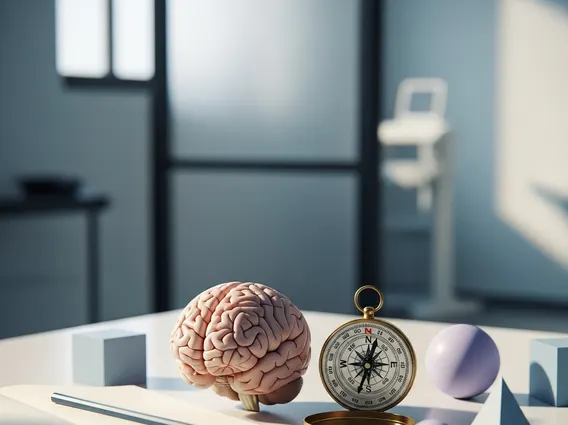
Key Takeaways
- Delirium can lead to persistent cognitive deficits, necessitating targeted rehabilitation.
- Cognitive and Orientation Activities After Delirium are crucial for restoring mental clarity and functional independence.
- Brain stimulation after delirium, including creative and structured cognitive games, promotes neuroplasticity.
- Sustained cognitive improvement relies on a holistic approach, encompassing physical health, social engagement, and consistent routines.
- Family involvement and a multidisciplinary team are essential for effective post-delirium recovery.
Navigating Post-Delirium Cognitive Recovery
Delirium represents a serious medical condition, characterized by an acute state of confusion and disorientation. It is particularly prevalent among hospitalized older adults, with studies indicating prevalence rates ranging from 14-56% in this demographic and up to 80% in intensive care unit (ICU) patients, according to the American Delirium Society. Although delirium is typically a temporary state, its impact on cognitive function can be profound and lasting, often leading to challenges in memory, attention, and the ability to perform daily tasks.
The period immediately following an episode of delirium is critical for initiating recovery and mitigating potential long-term cognitive deficits. Patients frequently report difficulties concentrating, problems with short-term memory, and a persistent sense of disorientation, which can significantly impede their return to normal life. Therefore, implementing targeted Cognitive and Orientation Activities After Delirium is not just beneficial but essential for fostering a more complete and efficient recovery process. These interventions are designed to help rebuild neural pathways and strengthen cognitive skills that may have been compromised during the acute phase of the illness.
Early and consistent engagement in rehabilitation efforts is paramount to improving outcomes and preventing chronic cognitive impairment. The objective extends beyond merely returning to a pre-delirium baseline; it aims to harness the brain’s inherent plasticity to adapt and improve. Active participation from family members and the establishment of a supportive environment are crucial for encouraging adherence to these activities and ensuring their continuity outside clinical settings. A comprehensive understanding of these structured interventions empowers both patients and caregivers to become active partners in the journey toward enhanced cognitive health.
Key Cognitive and Orientation Activities
Rehabilitation following delirium focuses on a diverse range of exercises meticulously designed to restore mental clarity and promote functional independence. These Cognitive activities for delirium recovery are carefully tailored to meet the unique needs of each patient, gradually progressing from simpler to more complex tasks as cognitive abilities show improvement. A primary goal is to re-establish a sense of routine and familiarity, which are frequently disrupted during an acute episode of delirium, providing a stable foundation for recovery.
One of the most fundamental components of post-delirium care involves structured Orientation exercises after delirium. These activities are vital for helping patients reconnect with their immediate environment and personal information. Regularly engaging patients by asking about the current date, time, location, and their personal details (such as name, age, and family members) can significantly enhance their awareness and reduce confusion. The use of visual aids, including large, easy-to-read clocks, calendars, and whiteboards displaying daily schedules or important events, proves incredibly beneficial. This consistent reinforcement helps to ground individuals in reality, thereby diminishing feelings of confusion and anxiety.
- Daily Orientation Check-ins: Consistently ask about the day of the week, date, time, and current location to reinforce awareness.
- Personal Information Recall: Encourage patients to state their full name, age, and significant family members to strengthen self-identity.
- Environmental Cues: Utilize visible clocks, calendars, and personalized items within the patient’s room to provide constant reminders.
- Routine Establishment: Adhere to a consistent daily schedule for meals, therapy sessions, and rest periods to create predictability.
Memory Exercises for Delirium Patients
Beyond basic orientation, targeted Memory exercises for delirium patients are essential for rebuilding cognitive function. These exercises can include tasks such as recalling recent events, discussing current news articles, or engaging in simple card games that demand both memory and attention. For instance, matching games, recalling a short sequence of numbers, or remembering a brief story can be highly effective. These memory-enhancing activities are often seamlessly integrated into daily care routines, making them less intimidating and more engaging for the patient. The emphasis is placed on gradual progression, celebrating even minor successes to maintain motivation and encourage continued participation.
Structured Cognitive Engagement
To further support cognitive restoration, structured engagement activities can be introduced. These are designed to challenge the brain in a gentle yet effective manner, promoting active thinking and problem-solving. For example, simple categorization tasks, identifying objects from a group, or discussing the purpose of everyday items can stimulate different cognitive domains. The aim is to foster a sense of accomplishment and gradually increase cognitive load as the patient’s abilities improve, paving the way for more complex challenges.
| Activity Type | Description | Primary Benefit |
|---|---|---|
| Time/Place Orientation | Discuss current date, time, location, and purpose of stay. | Reduces confusion, grounds patient in reality. |
| Personal Recall | Ask about family, significant life events, personal history. | Reinforces identity, improves self-awareness. |
| Memory Games | Card matching, simple puzzles, recalling short lists. | Enhances short-term memory and concentration. |
| Sequencing Tasks | Ordering steps for a simple task (e.g., making tea). | Improves executive function and planning. |
Engaging Brain Stimulation Exercises
Beyond fundamental orientation and memory tasks, targeted Brain stimulation after delirium plays a pivotal role in enhancing overall cognitive function and promoting recovery of more complex cognitive skills. These activities are specifically designed to challenge the brain in a supportive and engaging manner, thereby fostering neuroplasticity—the brain’s ability to reorganize itself by forming new neural connections. The objective is to move beyond rote recall and encourage active problem-solving, critical thinking, and creativity, always at an appropriate and manageable level for the recovering individual.
Engaging in creative pursuits can be profoundly beneficial for cognitive recovery. Activities such as drawing, painting, listening to music, or participating in simple craft projects can stimulate various areas of the brain, promoting holistic cognitive engagement. These activities offer a non-verbal outlet for expression and can significantly improve focus, attention span, and fine motor skills, which are often impacted post-delirium. The therapeutic value lies not primarily in the artistic outcome, but in the process of engagement itself and the mental effort required. Such Rehabilitation activities post delirium are frequently integrated into occupational therapy sessions, providing structured guidance and support.
Another highly effective form of brain stimulation involves structured cognitive games and puzzles. Activities like crossword puzzles (starting with simplified versions), Sudoku, word searches, and various logic games can substantially contribute to improving attention span, enhancing problem-solving abilities, and strengthening logical reasoning skills. Digital applications specifically designed for cognitive training can also be utilized, offering a varied, interactive, and often personalized experience. It is crucial to select activities that are appropriately challenging but not overwhelming, ensuring a positive and encouraging experience that builds confidence and maintains patient motivation.
Strategies for Sustained Cognitive Improvement
Achieving and sustaining cognitive gains after an episode of delirium necessitates a comprehensive and holistic approach that extends beyond formal cognitive exercises. Creating an environment that actively supports ongoing cognitive health is paramount for long-term recovery. This includes ensuring adequate sleep, maintaining optimal nutrition, and encouraging regular physical activity, all of which are foundational pillars for overall brain health. Consistent engagement in meaningful and purposeful activities further helps to reinforce neural pathways and can play a significant role in preventing future cognitive decline.
To effectively address the crucial question of How to improve cognition after delirium, a multidisciplinary approach involving physicians, nurses, occupational therapists, speech therapists, and family members is often the most effective strategy. Healthcare professionals can provide individualized rehabilitation plans and specialized therapies, while family members offer consistent support, encouragement, and continuity in daily life. Regular social interaction, participation in hobbies, and engagement in community activities also contribute significantly to cognitive well-being, providing essential mental stimulation and fostering a renewed sense of purpose and belonging.
The journey toward comprehensive Activities for orientation recovery from delirium and broader cognitive improvement is typically gradual and requires considerable patience from both the patient and their caregivers. Establishing a consistent daily routine that thoughtfully incorporates both structured cognitive exercises and general health-promoting behaviors is critical for sustained progress. This includes setting realistic goals, celebrating even small achievements, and flexibly adapting activities as the patient’s cognitive abilities evolve. Continuous monitoring and thoughtful adjustment of the rehabilitation plan ensure that interventions remain appropriate, effective, and tailored to the individual’s evolving needs, ultimately fostering sustained cognitive improvement and significantly enhancing the patient’s overall quality of life.
Frequently Asked Questions
How long does cognitive recovery take after delirium?
The duration of cognitive recovery after delirium varies widely among individuals, influenced by factors such as age, pre-existing cognitive status, the severity and length of the delirium episode, and underlying medical conditions. While some patients may show significant improvement within weeks, others might experience persistent deficits for months or even longer. Consistent engagement in cognitive and orientation activities, coupled with a supportive environment, is crucial for optimizing recovery timelines and achieving the best possible outcomes. Patience and ongoing rehabilitation efforts are key throughout this process.
Can delirium lead to long-term cognitive problems?
Yes, delirium is increasingly recognized as a significant risk factor for long-term cognitive impairment, including an increased risk of developing dementia. Studies suggest that up to 50% of delirium survivors may experience new or worsened cognitive deficits that persist for months or even years after the acute episode. This highlights the critical importance of early identification and proactive management of delirium, as well as structured post-delirium cognitive rehabilitation. Proactive engagement in Cognitive activities for delirium recovery can help mitigate these risks and support overall brain health.
What role do family members play in post-delirium recovery?
Family members play an indispensable role in supporting post-delirium cognitive recovery. They can help reinforce orientation exercises by consistently reminding patients of the date, time, and location, and by engaging them in familiar conversations. Encouraging participation in cognitive activities, providing a calm and familiar environment, and advocating for the patient’s needs are also crucial. Their consistent presence, emotional support, and active involvement can significantly reduce patient anxiety and improve engagement in Rehabilitation activities post delirium, fostering a more positive and effective recovery trajectory.