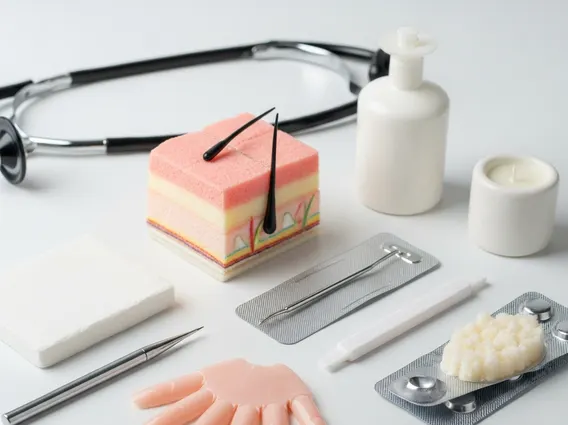
Causes of Rash in Cancer Patients
Cancer patients often experience a variety of skin changes, and the development of a rash is a common concern. These dermatological reactions can stem from numerous factors, ranging from the cancer itself to the intensive treatments used to combat it, significantly impacting a patient’s quality of life.
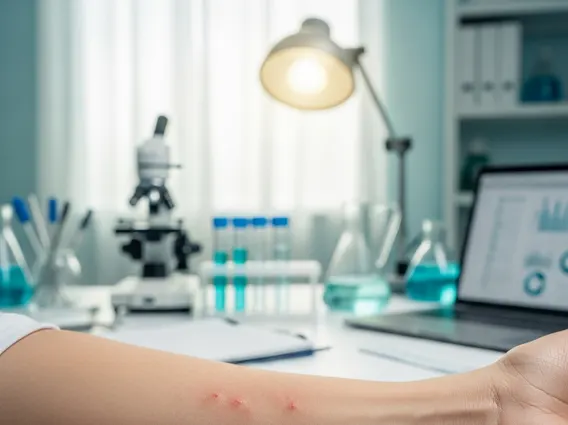
Key Takeaways
- Rashes in cancer patients are frequently rash side effects of cancer treatment, including chemotherapy, radiation, targeted therapies, and immunotherapies.
- Non-treatment related factors like infections, paraneoplastic syndromes, and nutritional deficiencies can also contribute to skin rashes.
- Accurate identifying rashes in cancer patients is vital for proper diagnosis and tailored management strategies.
- Effective managing skin rashes during cancer therapy involves a combination of topical treatments, systemic medications, and supportive care.
- Persistent or severe itching, a common symptom, requires specific interventions to alleviate discomfort and prevent complications.
Common Skin Reactions to Cancer Treatment
One of the primary reasons why do cancer patients get rashes is due to the various therapeutic interventions designed to target cancer cells. These treatments, while life-saving, can inadvertently affect healthy skin cells, leading to a spectrum of dermatological side effects. The type and severity of skin reactions often depend on the specific treatment modality, dosage, and individual patient factors.
These common skin reactions in oncology patients can manifest in diverse ways, including redness, dryness, peeling, blistering, and itching. Recognizing these patterns is essential for clinicians to differentiate treatment-induced rashes from other causes and implement appropriate care. For instance, some targeted therapies are known to cause specific types of acneiform eruptions, while others might lead to hand-foot syndrome.
Chemotherapy-Induced Rashes
Chemotherapy drugs are systemic treatments that kill rapidly dividing cells, including cancer cells and healthy cells like those in the skin, hair follicles, and nails. This non-specific action often leads to various rash side effects of cancer treatment. Common chemotherapy-induced rashes include maculopapular eruptions, which are flat, red areas covered with small bumps, or more generalized dry skin (xerosis) that can become itchy and flaky. Some agents can also cause photosensitivity, making the skin more susceptible to sunburn.
The onset of these rashes can vary, appearing days to weeks after treatment initiation. While many are mild and self-limiting, some can be severe, requiring dose adjustments or discontinuation of therapy. Patients undergoing chemotherapy are often advised to maintain good skin hydration, use gentle cleansers, and protect their skin from sun exposure to mitigate these effects.
Targeted Therapy and Immunotherapy Skin Reactions
Targeted therapies and immunotherapies represent newer classes of cancer treatments that work by specifically interfering with molecules involved in cancer growth or by harnessing the body’s immune system to fight cancer. While more precise, these treatments can also induce significant skin reactions. Epidermal Growth Factor Receptor (EGFR) inhibitors, a type of targeted therapy, are notorious for causing acneiform rashes, often appearing on the face, scalp, and chest, which can be disfiguring and lead to discomfort. Other targeted agents might cause hand-foot skin reaction (palmar-plantar erythrodysesthesia), characterized by redness, swelling, and pain on the palms and soles.
Immunotherapy, which boosts the immune system, can lead to immune-related adverse events, including various rashes. These can range from maculopapular eruptions to more severe conditions like Stevens-Johnson syndrome or toxic epidermal necrolysis, though these are rare. The mechanism involves the activated immune cells mistakenly attacking healthy skin cells. Early detection and management of these immune-related rashes are critical to prevent progression and ensure continued treatment.
Non-Treatment Related Causes of Rash in Cancer Patients
Beyond the direct effects of treatment, several other factors can explain what causes skin rash in cancer patients. The underlying malignancy itself can sometimes manifest with dermatological signs, known as paraneoplastic syndromes. These rashes are not caused by the tumor cells directly invading the skin but by the body’s immune response to the cancer or substances produced by the tumor. Examples include dermatomyositis, acanthosis nigricans, and erythema migrans, each presenting with distinct skin features.
Furthermore, cancer patients often have compromised immune systems, either due to the disease itself or as a side effect of treatment. This immunosuppression makes them more vulnerable to infections, which can present as rashes. Bacterial infections (e.g., cellulitis), viral infections (e.g., herpes zoster, or shingles), and fungal infections (e.g., candidiasis) are common culprits. Nutritional deficiencies, often seen in cancer patients due to altered metabolism, malabsorption, or poor appetite, can also contribute to skin changes and rashes, such as those seen in zinc deficiency or pellagra.
Allergic reactions to medications (not necessarily cancer treatments), environmental irritants, or even new skincare products can also cause rashes. Given the multitude of potential causes, a thorough medical evaluation is always necessary to accurately diagnose the specific type of rash and determine the most appropriate course of action.
Identifying and Managing Rashes in Oncology
Accurately identifying rashes in cancer patients is the first critical step toward effective management. This process involves a detailed medical history, including current and recent cancer treatments, other medications, and any new exposures. A thorough physical examination of the rash, noting its appearance, distribution, and associated symptoms like itching or pain, is also essential. In some cases, a skin biopsy may be necessary to confirm the diagnosis, especially when the rash is atypical or severe.
Once identified, managing skin rashes during cancer therapy requires a tailored approach. The primary goal is to alleviate symptoms, prevent complications, and, if possible, allow the patient to continue their cancer treatment. Management strategies can range from simple supportive care to specific pharmacological interventions.
General management tips include:
- Gentle Skin Care: Using mild, fragrance-free soaps and moisturizers to keep the skin hydrated and prevent dryness.
- Topical Treatments: Applying corticosteroids to reduce inflammation and itching, or antibiotics/antifungals for infection-related rashes.
- Oral Medications: Antihistamines for itching, oral corticosteroids for severe inflammatory reactions, or systemic antibiotics/antivirals for widespread infections.
- Sun Protection: Wearing protective clothing and using broad-spectrum sunscreen, especially for photosensitive rashes.
- Avoid Irritants: Identifying and avoiding potential allergens or irritants that may exacerbate the rash.
- Pain Management: Using over-the-counter pain relievers or prescribed medications for painful rashes.
Close collaboration between the oncology team and dermatologists is often beneficial, particularly for complex or severe skin reactions, to ensure comprehensive and specialized care.
Addressing Itchy Skin During Cancer Therapy
Causes of itchy skin in cancer patients are numerous and can significantly impair quality of life, leading to sleep disturbances, anxiety, and even skin infections from scratching. Itching, or pruritus, can be a direct symptom of the cancer itself, particularly in certain lymphomas or liver cancers. It can also be a common side effect of many cancer treatments, including chemotherapy, targeted therapies, and immunotherapies, which can cause skin dryness or trigger inflammatory responses.
Beyond treatment and disease, other factors contributing to itchy skin include dry skin (xerosis), which is prevalent in older adults and exacerbated by dehydration or certain medications. Kidney or liver dysfunction, common in advanced cancer, can also lead to systemic pruritus due to the accumulation of toxins. Managing itchy skin effectively involves identifying the underlying cause and implementing a multi-faceted approach. This may include regular moisturizing with emollients, using topical anti-itch creams containing menthol or pramoxine, and taking oral antihistamines. For severe or persistent pruritus, systemic medications such as gabapentin, pregabalin, or opioid antagonists might be considered under medical supervision.
Frequently Asked Questions
What are the most common types of rashes seen in cancer patients?
The most common types of rashes in cancer patients include maculopapular eruptions, often linked to chemotherapy or immunotherapy, and acneiform rashes, frequently associated with targeted therapies like EGFR inhibitors. Hand-foot syndrome, characterized by redness and pain on palms and soles, is another prevalent reaction to certain chemotherapies and targeted agents. Additionally, dry skin (xerosis) leading to itching and flaking is a widespread issue, often exacerbated by various treatments and the patient’s overall health status.
How can cancer patients prevent rashes during treatment?
While complete prevention isn’t always possible, cancer patients can take proactive steps to minimize rash incidence and severity. Maintaining excellent skin hygiene with mild, fragrance-free products and consistent moisturizing is crucial. Protecting skin from sun exposure using sunscreen and protective clothing helps prevent photosensitivity reactions. Promptly reporting any new skin changes to the oncology team allows for early intervention, potentially preventing a mild rash from escalating. Avoiding known irritants or allergens is also important.
When should a cancer patient seek medical attention for a rash?
A cancer patient should seek medical attention for a rash if it is rapidly spreading, becomes painful or blistered, shows signs of infection (pus, fever, increased redness), or is accompanied by systemic symptoms like fever, chills, or difficulty breathing. Any rash that significantly impacts daily activities, causes severe itching, or appears suddenly and severely should also prompt immediate medical consultation. Early evaluation ensures accurate diagnosis and timely management, which is vital for patient safety and comfort.