Causes and Risk Factors for Spinal Cancer
Understanding the factors that contribute to the development of spinal cancer is crucial for both prevention and early detection. While relatively rare, spinal tumors can originate in the spine or spread there from other parts of the body.
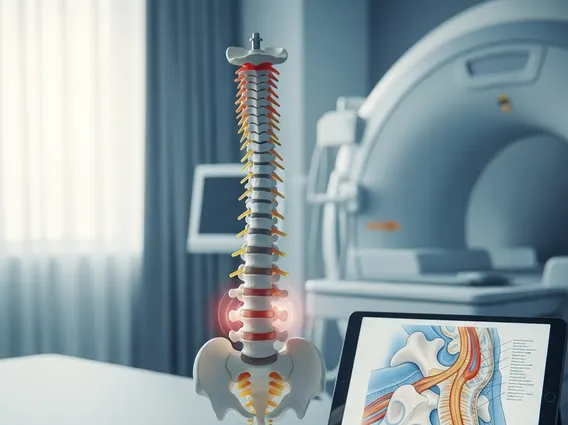
Key Takeaways
- Primary spinal cancer causes are often linked to specific genetic syndromes like Neurofibromatosis and Von Hippel-Lindau.
- A significant spinal tumor risk factor is a history of other cancers, as most spinal tumors are metastatic, spreading from elsewhere.
- Prior therapeutic radiation to the spine, though rare, can increase the long-term risk of developing secondary spinal tumors.
- Age and gender can influence the prevalence of certain types of spinal tumors, with some being more common in specific demographics.
- Direct environmental factors spinal cancer links are not well-established for primary tumors, unlike many other cancer types.
Understanding the Main Spinal Cancer Causes
Understanding spinal cancer causes involves recognizing that these tumors can be either primary, originating within the spinal cord or its surrounding structures, or secondary (metastatic), meaning they have spread from a cancer elsewhere in the body. Primary spinal cancers are considerably less common than metastatic ones. For many primary cancers, including those affecting the spine, the exact cause remains elusive, often involving a complex interplay of genetic predispositions and, less commonly, environmental influences. Research continues to identify specific factors that contribute to the development of these challenging conditions.
When considering what increases spinal cancer risk?, it’s important to differentiate between these two categories. Metastatic spinal tumors are far more prevalent, with estimates suggesting that up to 30-70% of cancer patients may develop spinal metastases during their disease course, according to data from the American Association of Neurological Surgeons (AANS). This highlights that a prior cancer diagnosis is a primary driver for many spinal tumor cases.
Genetic and Hereditary Risk Factors
A significant portion of primary spinal cancer causes can be attributed to inherited genetic conditions. These syndromes predispose individuals to developing tumors in various parts of the nervous system, including the spine. Recognizing these genetic links is vital for risk assessment and early monitoring.
Neurofibromatosis Types 1 and 2
Neurofibromatosis Type 1 (NF1) is a genetic disorder that causes tumors to grow on nerve tissue, including the spinal nerves. Individuals with NF1 are at an increased risk of developing neurofibromas, which are benign nerve sheath tumors, and occasionally malignant peripheral nerve sheath tumors (MPNSTs) along the spine. These tumors can compress the spinal cord or nerve roots, leading to neurological symptoms.
Neurofibromatosis Type 2 (NF2) primarily affects the central nervous system, leading to the growth of non-cancerous tumors. A hallmark of NF2 is the development of bilateral vestibular schwannomas (acoustic neuromas), but individuals with NF2 also have a significantly higher risk of developing other spinal tumors, such as schwannomas and ependymomas within the spinal cord. These conditions represent clear genetic causes of spinal tumors, underscoring the role of inherited mutations.
Von Hippel-Lindau Syndrome
Von Hippel-Lindau (VHL) syndrome is another rare, inherited disorder that increases the risk of developing tumors and cysts in multiple organs, including the brain and spinal cord. In the spine, VHL syndrome is strongly associated with the formation of hemangioblastomas. These are benign, highly vascular tumors that can grow on the spinal cord or brainstem, potentially causing neurological deficits due to compression or hemorrhage. The presence of VHL syndrome is a distinct spinal tumor risk factor that necessitates regular screening and management.
Prior Cancer and Radiation Exposure
Beyond genetic predispositions, an individual’s medical history, particularly regarding previous cancer diagnoses and treatments, plays a substantial role in determining who gets spinal cancer.
History of Other Cancers
The most common cause of spinal tumors is metastasis from a primary cancer located elsewhere in the body. This means that a history of cancer in organs such as the lung, breast, prostate, kidney, or thyroid significantly increases the risk of developing secondary spinal tumors. These metastatic tumors can affect the vertebral bones, epidural space, or even the spinal cord itself, leading to pain, neurological deficits, and spinal instability. The propensity for certain cancers to spread to the spine makes a prior cancer diagnosis a critical spinal tumor risk factor.
According to the American Cancer Society, bone metastases, including those in the spine, are most frequently seen in advanced stages of breast, prostate, and lung cancers. This emphasizes that while primary causes of spinal cancer are rare, the risk of secondary spinal involvement is a serious concern for many cancer patients.
Therapeutic Radiation to the Spine
While radiation therapy is a vital treatment for many cancers, exposure to high doses of radiation, particularly to the spine, can in rare cases increase the risk of developing secondary malignancies years later. This is often observed in individuals who received radiation for childhood cancers or other conditions where the spine was within the radiation field. These radiation-induced tumors can include sarcomas or other types of spinal neoplasms. The risk is generally small but represents a recognized, albeit uncommon, spinal tumor risk factor that clinicians consider when evaluating long-term follow-up for patients who have undergone such treatments.
Demographics and Other Predisposing Conditions
Certain demographic characteristics and medical conditions can also influence the likelihood of developing spinal tumors, shedding light on who gets spinal cancer.
Age and Gender Influences
The incidence of specific types of spinal tumors can vary with age. For instance, ependymomas, a common type of primary spinal cord tumor, are more frequently diagnosed in adults, typically between the ages of 40 and 60. In contrast, astrocytomas of the spinal cord are more often seen in children and young adults. While some studies suggest slight gender differences for certain tumor types, with men sometimes having a marginally higher incidence of specific spinal cord tumors, these differences are generally not as pronounced as those observed with age. These demographic patterns help in understanding spinal cancer causes from an epidemiological perspective.
Immunosuppression and Infection Risk
Individuals with compromised immune systems, such as those with HIV/AIDS or organ transplant recipients on immunosuppressive medications, may have an altered risk profile for certain cancers. While a direct, strong link between immunosuppression and primary spinal tumors is not definitively established, a weakened immune system can increase susceptibility to infections that might, in rare instances, mimic or contribute to tumor-like lesions in the spine. Additionally, some lymphomas, which can affect the spine, are more common in immunosuppressed individuals. This area requires further research to fully understand its contribution to spinal tumor risk factors.
Environmental Factors: What We Know
When discussing environmental factors spinal cancer, it’s important to note that for primary spinal tumors, direct and strong environmental links are largely unproven, unlike many other types of cancer (e.g., lung cancer and smoking). Research has not identified specific toxins, chemicals, or lifestyle choices that definitively cause primary spinal cancer.
Unlike cancers where exposure to certain carcinogens (like asbestos or specific industrial chemicals) is a clear risk factor, there is no consistent evidence linking such exposures directly to the development of primary spinal cord or vertebral column tumors. While general cancer prevention advice regarding healthy lifestyle choices (diet, exercise, avoiding smoking) is always beneficial for overall health and reducing general cancer risk, specific environmental triggers for primary spinal cancer have not been identified. This means that for many cases of primary spinal cancer, the causes of spinal cancer remain largely idiopathic, with genetic predispositions playing a more prominent role than environmental exposures.
Frequently Asked Questions
What are the most common types of spinal tumors?
Spinal tumors are broadly categorized into primary and metastatic types. Primary spinal tumors originate in the spine and are relatively rare, including meningiomas, schwannomas, ependymomas, and astrocytomas. Far more common are metastatic spinal tumors, which are cancers that have spread to the spine from other organs. Cancers of the lung, breast, prostate, kidney, and thyroid are among the most frequent sources of spinal metastases, making a history of these cancers a significant risk factor.
Can lifestyle choices influence spinal cancer risk?
For primary spinal cancers, there is no definitive evidence linking specific lifestyle choices, such as diet, exercise, or smoking, directly to their development. Unlike many other cancers, strong environmental factors or lifestyle-related causes of spinal cancer have not been clearly identified. However, maintaining a healthy lifestyle is always recommended for overall well-being and may indirectly contribute to a reduced risk of various health issues, including some cancers that could potentially metastasize to the spine.
Is spinal cancer hereditary?
While most cases of spinal cancer are not hereditary, a small percentage are linked to specific inherited genetic syndromes. Conditions like Neurofibromatosis Types 1 and 2, and Von Hippel-Lindau syndrome significantly increase an individual’s risk of developing certain types of primary spinal tumors, such as neurofibromas, schwannomas, and hemangioblastomas. These genetic predispositions represent clear genetic causes of spinal tumors, making family history an important consideration in risk assessment for these specific tumor types.