Causes and Risk Factors for Eye Cancer
Understanding the underlying mechanisms and predisposing factors for eye cancer is crucial for early detection and prevention. This article delves into the various elements that contribute to the development of ocular malignancies, helping to clarify what causes eye cancer and who might be more susceptible.
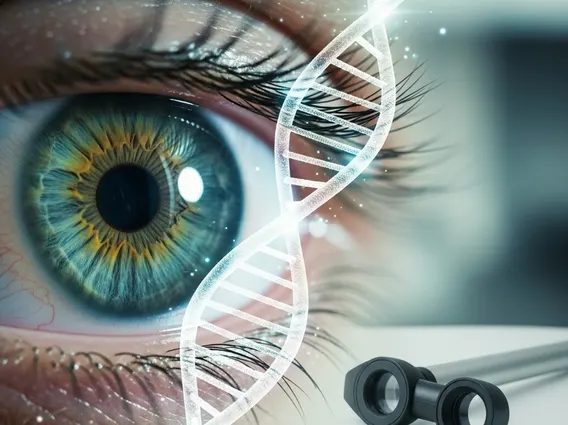
Key Takeaways
- Eye cancer causes often stem from genetic mutations and DNA damage within eye cells, leading to uncontrolled growth.
- Primary risk factors for ocular melanoma include excessive unprotected exposure to UV light and having light eye and skin color.
- Individuals with certain inherited conditions, such as Dysplastic Nevus Syndrome or BAP1 Tumor Predisposition Syndrome, face an increased risk.
- Age, ethnicity, and pre-existing conditions like ocular melanocytosis and nevi also play a significant role in determining who is at risk for eye cancer.
- Awareness of these factors is key for early detection and proactive management, contributing to better outcomes in understanding eye cancer risks.
What Causes Eye Cancer?
The fundamental causes of cancer in the eye, like most cancers, originate from changes at the cellular level. Specifically, eye cancer causes are primarily linked to genetic mutations that disrupt the normal growth and division of cells within the eye. These mutations can lead to cells multiplying uncontrollably, forming tumors that can be benign or malignant.
While the exact trigger for these mutations is not always clear, they can arise from a combination of inherited predispositions and environmental factors. For instance, exposure to certain elements or simply random errors during cell division can contribute to these genetic alterations. It’s important to note that while we understand many contributing factors, pinpointing a single definitive cause for every case of eye cancer remains complex.
Genetic Mutations and Cell Changes
At the heart of what causes eye cancer are genetic mutations. These are permanent changes in the DNA sequence of a gene. In the context of eye cancer, these mutations often affect genes that regulate cell growth and division. When these regulatory genes, known as oncogenes (which promote cell growth) and tumor suppressor genes (which inhibit cell growth), are altered, the delicate balance of cell proliferation is disturbed.
For example, a mutation in a tumor suppressor gene might prevent it from producing a protein that normally stops abnormal cell growth. This allows mutated cells to continue dividing unchecked, forming a tumor. These cellular changes are the microscopic foundation of eye cancer causes and symptoms, though symptoms typically manifest much later as the tumor grows.
The Role of DNA Damage
DNA damage is another critical component in the development of eye cancer. Our cells are constantly exposed to agents that can damage DNA, such as ultraviolet (UV) radiation, certain chemicals, and even byproducts of normal metabolism. While cells have sophisticated repair mechanisms, sometimes the damage is too extensive or the repair process is faulty, leading to persistent mutations.
When DNA damage occurs in critical genes within eye cells and is not properly repaired, it can accumulate over time. This accumulation significantly increases the likelihood of developing cancerous cells. Therefore, minimizing exposure to known damaging agents, where possible, is a crucial aspect of preventing causes of cancer in the eye.
Primary Risk Factors for Ocular Melanoma
Ocular melanoma is the most common primary eye cancer in adults, and several factors are known to increase an individual’s susceptibility. Risk factors for ocular melanoma are diverse, ranging from environmental exposures to inherent genetic traits. Understanding eye cancer risks associated with this specific type of cancer is vital for prevention and early detection strategies.
According to the American Cancer Society, approximately 2,800 new cases of eye melanoma are diagnosed in the United States each year. While relatively rare, identifying these risk factors helps medical professionals and individuals assess their personal risk profile.
Unprotected UV Light Exposure
One of the most significant and modifiable risk factors for ocular melanoma is exposure to ultraviolet (UV) light. Similar to skin melanoma, excessive or prolonged exposure to UV radiation from sunlight or artificial sources (like tanning beds) is believed to contribute to the development of eye cancer. UV light can damage the DNA in the pigment-producing cells (melanocytes) within the eye, leading to mutations.
While the exact dose-response relationship is still being studied, it is widely recommended to protect the eyes from UV radiation, especially during peak sun hours. Wearing UV-protective sunglasses and hats can significantly reduce this exposure, thereby lowering the risk. This protective measure is a key part of understanding eye cancer risks and how to mitigate them.
Light Eye and Skin Color
Individuals with lighter eye colors (blue, green, or grey) and fair skin are at a higher risk of developing ocular melanoma. This is because lighter pigmentation offers less natural protection against harmful UV radiation. Melanin, the pigment responsible for eye and skin color, acts as a natural sunscreen. People with less melanin are more vulnerable to UV-induced damage.
This genetic predisposition means that even with careful sun protection, individuals with light complexions should be particularly vigilant about regular eye exams and monitoring for any unusual changes. This inherent trait is a non-modifiable risk factor for ocular melanoma that underscores the importance of proactive screening.
Who Is at Increased Risk for Eye Cancer?
Beyond environmental and pigment-related factors, several demographic and pre-existing medical conditions help define who is at risk for eye cancer. These elements contribute to an individual’s overall susceptibility, making regular screening and awareness even more critical for certain populations. What increases risk of eye cancer? often involves a combination of these factors.
Age and Ethnicity
Age is a significant risk factor, with the incidence of ocular melanoma generally increasing with age. Most cases are diagnosed in individuals over 50 years old, although it can occur at any age. This trend is often attributed to the cumulative effect of DNA damage and mutations over a lifetime.
Ethnicity also plays a role. Ocular melanoma is significantly more common in Caucasians than in individuals of African, Asian, or Hispanic descent. This disparity is believed to be linked to differences in skin and eye pigmentation, with lighter complexions having less protective melanin, as previously discussed. For example, the incidence rate in white individuals is approximately 5-7 cases per million annually, compared to less than 1 case per million in Black individuals, according to data from the National Cancer Institute.
Ocular Melanocytosis and Nevi
Certain pre-existing conditions within the eye itself can elevate the risk of developing ocular melanoma. Ocular melanocytosis, also known as nevus of Ota, is a congenital condition characterized by increased pigmentation in and around the eye. Individuals with this condition have a significantly higher lifetime risk of developing ocular melanoma compared to the general population.
Similarly, the presence of ocular nevi (freckles or moles inside the eye) can also be a risk factor. While most ocular nevi are benign and never develop into cancer, a small percentage can transform into melanoma over time. Regular monitoring by an ophthalmologist is crucial for individuals with these conditions to detect any suspicious changes early, thereby addressing what increases risk of eye cancer for them.
Inherited Conditions and Eye Cancer Risk
While many cases of eye cancer are sporadic, a notable proportion are linked to inherited genetic syndromes. These conditions predispose individuals to various cancers, including those affecting the eye. Understanding eye cancer risks involves recognizing these genetic predispositions, which are often passed down through families.
Dysplastic Nevus Syndrome
Dysplastic Nevus Syndrome (DNS), also known as Familial Atypical Multiple Mole Melanoma (FAMMM) syndrome, is an inherited condition characterized by a large number of unusual moles on the skin. Individuals with DNS have a significantly increased risk of developing cutaneous melanoma, and they also have a higher risk of ocular melanoma. This syndrome is typically associated with mutations in the CDKN2A gene.
Because of this elevated risk, individuals diagnosed with DNS should undergo regular comprehensive dermatological and ophthalmological examinations. Early detection of suspicious lesions, both on the skin and within the eye, is paramount for managing this inherited predisposition to cancer.
BAP1 Tumor Predisposition Syndrome
Another important inherited condition is the BAP1 Tumor Predisposition Syndrome. This syndrome is caused by inherited mutations in the BAP1 gene, a tumor suppressor gene. Individuals with BAP1 syndrome have a substantially increased lifetime risk of developing several types of cancer, including uveal melanoma (a type of ocular melanoma), mesothelioma, renal cell carcinoma, and cutaneous melanoma.
For those with a family history of BAP1 syndrome or a known BAP1 mutation, genetic counseling and regular surveillance are strongly recommended. This includes frequent eye examinations to monitor for the development of ocular melanoma, as early detection can significantly impact treatment outcomes for those with this severe genetic predisposition. This syndrome clearly illustrates what increases risk of eye cancer through direct genetic inheritance.
Frequently Asked Questions
Can eye cancer be prevented?
While not all eye cancer causes are preventable, particularly those linked to genetics, certain measures can reduce risk. Protecting your eyes from UV radiation by wearing sunglasses that block 99-100% of UVA and UVB rays is crucial. Regular comprehensive eye exams, especially for individuals with known risk factors like light eye color or certain inherited syndromes, are vital for early detection, which significantly improves outcomes.
Are eye cancer causes and symptoms always obvious?
No, eye cancer causes and symptoms are often not obvious in the early stages. Ocular melanoma, for instance, can grow for a long time without causing any noticeable symptoms because it often develops in parts of the eye that do not immediately affect vision. Symptoms like blurred vision, flashes of light, or a dark spot in the iris usually appear as the tumor grows, highlighting the importance of routine eye examinations, even in the absence of symptoms.
What is the most common type of eye cancer?
The most common primary causes of cancer in the eye for adults lead to ocular melanoma, also known as uveal melanoma. This type of cancer develops in the uvea, the middle layer of the eye, which includes the iris, ciliary body, and choroid. While relatively rare compared to other cancers, it is the most frequent malignancy originating within the eye itself, emphasizing the importance of understanding its specific risk factors.