Causes and Risk Factors for Bone Cancer
Understanding the origins of bone cancer is crucial for both awareness and early detection. While the exact mechanisms behind its development are often complex and not fully understood, various factors have been identified that can increase an individual’s risk.
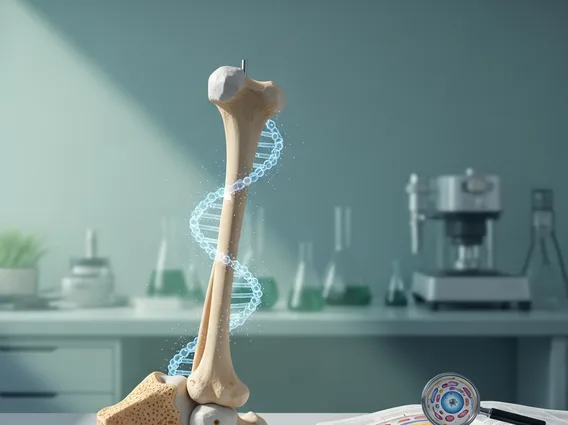
Key Takeaways
- Most cases of primary bone cancer are idiopathic, meaning their exact cause is unknown, often stemming from random cellular mutations.
- Genetic predispositions, such as Li-Fraumeni syndrome and hereditary retinoblastoma, significantly increase the risk of developing bone cancer.
- Pre-existing medical conditions like Paget’s disease of bone, and prior treatments like high-dose radiation therapy, are established risk factors.
- Age plays a role, with osteosarcoma more common in children and adolescents, while chondrosarcoma typically affects older adults.
- While extremely rare, metal implants used in orthopedic surgery have been associated with bone cancer development in isolated cases.
Understanding Primary Bone Cancer Causes
Primary bone cancer, which originates in the bone itself, is a rare form of cancer. Unlike secondary bone cancer, which spreads to the bone from other parts of the body, primary bone cancer begins in bone cells. What causes bone cancer in its primary form is often a complex question with no single, definitive answer for most individuals.
Idiopathic Nature of Most Cases
For a significant number of individuals diagnosed with primary bone cancer, the specific causes of primary bone cancer remain unknown. This is referred to as idiopathic, meaning the disease arises spontaneously without a clear identifiable trigger. It’s important to note that bone cancer is not typically linked to lifestyle choices, diet, or environmental exposures in the way some other cancers are. This idiopathic nature highlights the challenge in pinpointing exact origins for many cases.
Role of Cellular Mutations
At its core, bone cancer, like all cancers, results from uncontrolled cell growth due to mutations in cellular DNA. These mutations can lead to bone cells multiplying abnormally, forming tumors. These genetic changes can be acquired during a person’s lifetime, often randomly, or in some cases, they can be inherited. For instance, osteosarcoma, the most common type of primary bone cancer, often develops during periods of rapid bone growth, suggesting a potential link between cellular activity and the likelihood of mutations occurring. According to the American Cancer Society, primary bone cancer accounts for less than 0.2% of all cancers, underscoring its rarity and the challenges in studying its precise origins.
Genetic Predisposition and Inherited Syndromes
While many cases of bone cancer are sporadic, certain genetic factors and inherited syndromes can significantly increase an individual’s risk factors for bone cancer development. Understanding bone cancer risk often involves looking into a person’s family history and genetic makeup.
Li-Fraumeni Syndrome Connection
One notable genetic condition linked to an increased risk of bone cancer is Li-Fraumeni syndrome. This rare inherited disorder is caused by a mutation in the TP53 tumor suppressor gene. Individuals with Li-Fraumeni syndrome have a much higher lifetime risk of developing several types of cancer, including osteosarcoma, a common form of bone cancer, as well as soft tissue sarcomas, breast cancer, and brain tumors. The TP53 gene normally plays a critical role in preventing tumor formation, and its mutation compromises this protective mechanism.
Hereditary Retinoblastoma Link
Another inherited condition associated with an elevated risk of bone cancer is hereditary retinoblastoma. This is a rare childhood eye cancer caused by a mutation in the RB1 gene. Children who survive hereditary retinoblastoma, especially those who received radiation therapy to the eye, have a significantly increased risk of developing osteosarcoma later in life. This risk is particularly high in bones that were within the field of radiation, but can also occur in other bones, highlighting a complex interplay between genetic susceptibility and environmental factors like radiation exposure. These genetic predispositions are key factors contributing to bone cancer in a subset of patients.
Medical Conditions and Prior Treatments
Beyond genetics, certain pre-existing medical conditions and previous medical treatments can also elevate the risk factors for bone cancer development. Recognizing these connections is vital for comprehensive health management and early detection strategies.
Paget’s Disease of Bone
Paget’s disease of bone is a chronic disorder that disrupts the normal process of bone remodeling. In individuals with Paget’s disease, new bone tissue is generated faster than normal, but it is often weaker and more prone to fractures. While most people with Paget’s disease do not develop cancer, a small percentage, typically older adults, can develop osteosarcoma in the affected bones. This transformation is a rare but serious complication, making Paget’s disease a recognized bone cancer cause in this demographic. The National Institutes of Health (NIH) estimates that less than 1% of individuals with Paget’s disease develop bone cancer.
Radiation Therapy Exposure
Prior exposure to high-dose radiation therapy is a well-established risk factor for developing secondary cancers, including bone cancer. Individuals who have received radiation therapy for other cancers, such as lymphoma or breast cancer, may have an increased risk of developing osteosarcoma or other bone sarcomas years or even decades after treatment. The risk depends on the dose of radiation, the area of the body treated, and the age at which treatment was received. This highlights a critical consideration in long-term follow-up for cancer survivors, as radiation can induce DNA damage that, over time, may lead to new cancerous growths. This factor is crucial when considering bone cancer causes and prevention strategies in individuals with a history of cancer treatment.
Other Factors Contributing to Bone Cancer Risk
While genetic and medical factors are significant, other elements can also play a role in who is at risk for bone cancer. These additional considerations help to paint a more complete picture of the complex etiology of this disease.
Age and Bone Growth
Age is a significant factor in the incidence of different types of primary bone cancer. Osteosarcoma, the most common type, predominantly affects children, adolescents, and young adults, with a peak incidence during growth spurts. This suggests a connection between rapid bone growth and the potential for cellular errors that lead to cancer. Conversely, other types of bone cancer, such as chondrosarcoma, are more commonly diagnosed in older adults, typically over the age of 40. This age-related distribution underscores that different mechanisms or risk factors may be at play for various bone cancer types, contributing to our overall understanding bone cancer risk across the lifespan.
Metal Implants
In extremely rare instances, metal implants used in orthopedic surgery, such as those for fracture repair or joint replacements (e.g., hip or knee prostheses), have been associated with the development of bone cancer. While the vast majority of patients with metal implants never experience this complication, there have been documented cases where sarcomas, including osteosarcomas, have developed around the site of the implant. The exact mechanism is not fully understood but is hypothesized to involve chronic inflammation, corrosion products from the metal, or other localized tissue reactions. It is crucial to emphasize that this is an exceedingly rare occurrence and the benefits of such implants in restoring function far outweigh this minimal risk for most patients. This is a very uncommon factor contributing to bone cancer, but one that researchers continue to study.
Frequently Asked Questions About Bone Cancer Causes
Is bone cancer hereditary?
While most cases of bone cancer are not hereditary, certain inherited genetic syndromes significantly increase the risk. Conditions like Li-Fraumeni syndrome, caused by a mutation in the TP53 gene, and hereditary retinoblastoma, linked to the RB1 gene, predispose individuals to developing bone cancer. If there’s a strong family history of bone cancer or related cancers, genetic counseling may be recommended to assess the risk and understand potential inherited factors contributing to bone cancer.
Can bone injuries or trauma cause bone cancer?
No, direct bone injuries or trauma, such as fractures or sprains, are not known to cause bone cancer. There is no scientific evidence to support a direct causal link between a specific injury and the development of a bone tumor. However, sometimes a bone tumor might be discovered after an injury, as the injury may draw attention to a pre-existing, undiagnosed tumor. Certain chronic bone conditions, like Paget’s disease of bone, can increase risk, but acute trauma itself is not a bone cancer cause.
What is the most common type of primary bone cancer and who is most affected?
The most common type of primary bone cancer is osteosarcoma. This cancer primarily affects children, adolescents, and young adults, with a peak incidence during periods of rapid bone growth, typically between the ages of 10 and 20. It often develops in the long bones of the arms and legs, such as around the knee or shoulder. While less common, chondrosarcoma is another type that tends to affect older adults. Understanding these age-related patterns helps in identifying who is at risk for bone cancer.