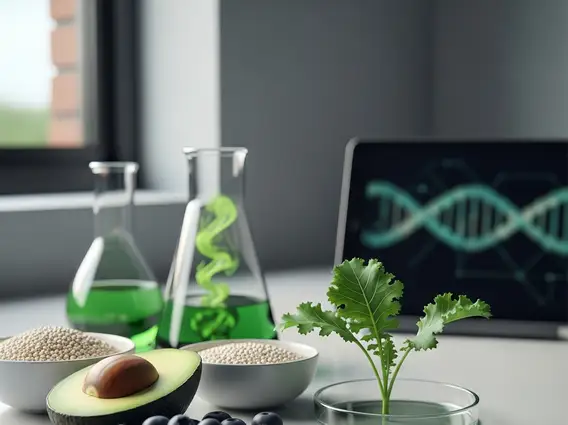
Key Takeaways
- Superfoods are rich in vitamins, minerals, antioxidants, and phytonutrients, offering significant health benefits beyond basic nutrition.
- They play a crucial role in boosting immunity, supporting gut health, and protecting cardiovascular and brain functions.
- Many superfoods, particularly berries, leafy greens, and cruciferous vegetables, are recognized for their potential cancer-fighting superfoods properties.
- Integrating superfoods like whole grains, nuts, and seeds can provide sustained energy and enhance vitality throughout the day.
- Simple strategies, such as adding them to smoothies, salads, or main dishes, make it easy to incorporate superfoods into a healthy diet.
What Defines a Superfood?
The term “superfood” refers to foods that are exceptionally rich in compounds considered beneficial for health, such as vitamins, minerals, antioxidants, and phytonutrients. Unlike processed foods, these are typically natural, whole foods that offer a high concentration of nutrients with relatively few calories, making them incredibly valuable for a balanced diet.
Nutritional Profile Explained
Understanding what are superfoods begins with their remarkable nutritional density. They are packed with essential nutrients that support optimal bodily function. For instance, many superfoods are excellent sources of Vitamin C, Vitamin K, potassium, and magnesium. Their high antioxidant content, including compounds like anthocyanins, carotenoids, and flavonoids, helps combat oxidative stress in the body, which is linked to various chronic diseases. The nutritional value of superfoods often far exceeds that of common foods, providing a potent dose of health-boosting compounds in every serving.
Key Characteristics & Categories
Superfoods are characterized by their natural, unprocessed state and their unique blend of beneficial compounds. They typically fall into several categories:
- Fruits: Berries (blueberries, acai, goji), pomegranates, avocados.
- Vegetables: Leafy greens (spinach, kale), cruciferous vegetables (broccoli, Brussels sprouts), bell peppers.
- Grains & Legumes: Quinoa, chia seeds, flaxseeds, lentils, chickpeas.
- Nuts & Seeds: Almonds, walnuts, Brazil nuts, hemp seeds.
- Other: Green tea, turmeric, ginger, dark chocolate, olive oil.
These foods are not just rich in single nutrients but often offer a synergistic blend that enhances their overall health impact.
Boosting Health: Beyond Basic Nutrition
The benefits of superfoods extend far beyond merely providing essential vitamins and minerals. Their unique compositions contribute significantly to various aspects of health, offering protective and supportive roles for major bodily systems.
Immunity and Gut Health Boosters
Many superfoods are potent allies for the immune system. For example, citrus fruits and bell peppers are rich in Vitamin C, a powerful antioxidant that supports immune cell function. Leafy greens provide Vitamin A, crucial for maintaining healthy mucous membranes, which act as a barrier against pathogens. Furthermore, superfoods high in fiber, such as oats, chia seeds, and various fruits and vegetables, act as prebiotics, feeding beneficial gut bacteria. A healthy gut microbiome is intrinsically linked to a robust immune response, with studies suggesting that approximately 70% of the immune system resides in the gut. (Source: Harvard Health Publishing).
Cardiovascular and Brain Support
Superfoods are also vital for heart and brain health. Foods rich in omega-3 fatty acids, like flaxseeds and walnuts, help reduce inflammation and support healthy cholesterol levels, thereby lowering the risk of heart disease. The antioxidants found in berries and green tea protect blood vessels from damage. For brain health, flavonoids in berries and dark chocolate have been shown to improve cognitive function and memory. The healthy fats in avocados and olive oil are essential for brain structure and function, contributing to better focus and mental clarity.
Top Cancer-Fighting Superfoods for Prevention
A significant area where superfoods shine is in their potential role in cancer prevention. The unique compounds found in these foods can help protect cells from damage and inhibit the growth of cancerous cells, making them key components of a diet focused on disease prevention. Many of these are considered powerful cancer-fighting superfoods due to their high concentration of protective compounds.
Antioxidant-Rich Berries & Greens
Berries, such as blueberries, raspberries, and strawberries, are packed with anthocyanins and ellagic acid, potent antioxidants that neutralize free radicals and may slow the growth of cancer cells. Similarly, dark leafy greens like spinach and kale are rich in carotenoids (beta-carotene, lutein, zeaxanthin) and chlorophyll, which have demonstrated protective effects against certain cancers. The American Cancer Society emphasizes that a diet rich in plant-based foods, including fruits and vegetables, is crucial for reducing cancer risk.
Cruciferous Vegetables & Compounds
Cruciferous vegetables, including broccoli, cauliflower, Brussels sprouts, and cabbage, are particularly noteworthy for their cancer-fighting properties. They contain glucosinolates, which the body converts into biologically active compounds like sulforaphane and indoles. These compounds have been extensively studied for their ability to detoxify carcinogens, reduce inflammation, and induce apoptosis (programmed cell death) in cancer cells. Regular consumption of these vegetables is strongly associated with a reduced risk of various cancers, including those of the lung, colon, breast, and prostate.
Superfoods for Sustained Energy & Vitality
Beyond disease prevention, superfoods are excellent sources for maintaining high energy levels and promoting overall vitality. They provide a steady release of energy, avoiding the spikes and crashes associated with refined sugars and processed foods. Incorporating the best superfoods for energy can significantly improve daily performance and mood.
Natural Energy Boosters
Many superfoods offer a combination of complex carbohydrates, healthy fats, and plant-based proteins, which are essential for sustained energy. Quinoa, for example, is a complete protein and a complex carbohydrate, providing a slow and steady release of glucose into the bloodstream. Chia seeds and flaxseeds are rich in fiber and omega-3 fatty acids, which contribute to satiety and stable blood sugar levels. Nuts like almonds and walnuts offer healthy fats and protein, making them ideal snacks for a quick yet lasting energy boost without the jitters of caffeine or sugar crashes.
Enhancing Overall Well-being
The consistent intake of nutrient-dense superfoods contributes to more than just physical energy; it significantly enhances overall well-being. A diet rich in these foods supports better mood regulation, improved sleep quality, and enhanced mental clarity. This holistic approach to nutrition helps in reducing fatigue and increasing resilience to stress, leading to a more vibrant and active lifestyle. By providing the body with optimal fuel, superfoods empower individuals to feel their best and maintain a high level of vitality throughout their lives.
Easy Ways to Incorporate Superfoods Daily
Making superfoods a regular part of your diet doesn’t have to be complicated or expensive. With a few simple adjustments and creative ideas, you can easily enjoy the extensive list of healthy superfoods and their benefits. The key is to find practical and enjoyable ways to integrate them into your existing eating habits, making superfoods for a healthy diet an achievable goal.
Simple Meal & Snack Ideas
There are numerous straightforward methods for how to incorporate superfoods into your daily routine:
- Breakfast Boost: Add berries, chia seeds, or flaxseeds to oatmeal, yogurt, or smoothies.
- Lunchtime Upgrade: Toss kale or spinach into salads, sandwiches, or wraps. Include quinoa as a base for grain bowls.
- Dinner Enhancements: Roast broccoli or Brussels sprouts as a side dish. Add lentils or chickpeas to soups and stews.
- Smart Snacking: Grab a handful of almonds or walnuts, or enjoy an apple with a tablespoon of almond butter. Avocados can be mashed for a quick, nutritious spread.
These small changes can significantly increase your nutrient intake without requiring drastic dietary overhauls.
Maximizing Nutrient Absorption
To get the most out of your superfoods, consider how you prepare and combine them. For instance, fat-soluble vitamins (A, D, E, K) found in leafy greens and carrots are better absorbed when consumed with healthy fats, such as olive oil or avocado. Lightly steaming vegetables like broccoli can preserve more nutrients than boiling. Soaking nuts and seeds can improve digestibility and nutrient availability. By being mindful of these simple preparation techniques, you can ensure your body effectively utilizes the rich array of nutrients superfoods offer.
Superfoods FAQs
While superfoods are incredibly nutritious, they are not a standalone solution for health. They work best as part of a balanced diet rich in whole foods, combined with regular physical activity and a healthy lifestyle. Relying solely on a few “superfoods” while neglecting overall dietary quality will not yield the desired health benefits. Think of them as powerful allies that enhance an already healthy foundation.
Not necessarily. While some exotic superfoods can be pricey, many common and affordable options offer similar benefits. Everyday items like spinach, blueberries, oats, lentils, and broccoli are excellent superfoods that won’t break the bank. Focusing on seasonal produce and buying in bulk when possible can also help manage costs while still enjoying a nutrient-rich diet.
Yes, children can absolutely benefit from superfoods, as they provide essential nutrients for growth and development. Incorporating nutrient-dense fruits, vegetables, and whole grains into a child’s diet can support their immune system, energy levels, and cognitive function. It’s important to introduce them in age-appropriate portions and forms, making them fun and appealing to encourage healthy eating habits from a young age.