Key Takeaways
- Pancreatic cancer often presents with vague symptoms in its early stages, leading to late diagnosis.
- Risk factors include smoking, obesity, diabetes, chronic pancreatitis, and certain genetic syndromes.
- Diagnosis involves imaging tests, biopsies, and blood markers to determine the specific type and pancreatic cancer stages.
- Pancreatic cancer treatment options range from surgery, chemotherapy, and radiation to targeted therapies and immunotherapy, tailored to the individual.
- The pancreatic cancer prognosis is generally challenging, but advancements in treatment offer hope, especially with early detection.
What is Pancreatic Cancer?
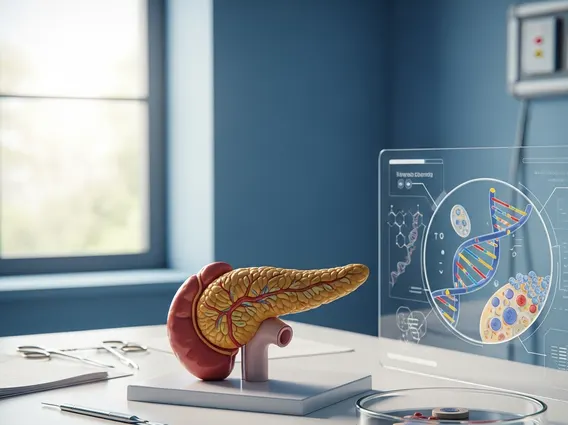
Pancreatic cancer refers to a malignant tumor that originates in the tissues of the pancreas. The pancreas is a glandular organ situated deep within the abdomen, behind the stomach, and performs two primary functions: producing enzymes that aid digestion (exocrine function) and hormones like insulin and glucagon that regulate blood sugar (endocrine function). The vast majority of pancreatic cancers, about 95%, are adenocarcinomas, which arise from the exocrine cells lining the ducts of the pancreas.
This disease is particularly challenging due to its aggressive nature and the fact that it often goes undetected until it has advanced. The pancreas’s deep location in the body means that tumors are not easily felt during routine physical exams, and early symptoms are often non-specific or absent. Globally, pancreatic cancer is among the leading causes of cancer-related deaths, with an estimated 495,773 new cases and 466,000 deaths worldwide in 2020, according to the World Health Organization (WHO).
Recognizing Pancreatic Cancer Symptoms
Recognizing the early signs of pancreatic cancer is difficult because symptoms are typically vague and can mimic those of less serious conditions. In its initial stages, the disease often produces no noticeable symptoms, which contributes significantly to late diagnosis. As the tumor grows and potentially spreads, more distinct symptoms may emerge, prompting medical attention.
The symptoms that do appear are often related to the tumor’s location and size, as well as whether it is pressing on nearby organs or structures. These can include a range of discomforts and changes in bodily function. Awareness of these potential indicators is important for seeking timely medical evaluation.
Common symptoms associated with pancreatic cancer as it progresses include:
- Jaundice: Yellowing of the skin and whites of the eyes, often accompanied by dark urine and light-colored stools. This occurs when a tumor blocks the bile duct.
- Abdominal or back pain: A dull ache in the upper abdomen that may radiate to the back, often worsening after eating or when lying down.
- Unexplained weight loss: Significant and unintentional loss of weight, which can be a result of poor digestion or the cancer consuming the body’s energy.
- Loss of appetite: Feeling full quickly or having a general disinterest in food.
- Nausea and vomiting: Can occur if the tumor presses on the stomach or causes digestive issues.
- New-onset diabetes or worsening existing diabetes: The pancreas’s ability to produce insulin can be affected by the tumor.
- Fatigue: Persistent tiredness and lack of energy.
- Digestive problems: Such as indigestion, bloating, or changes in bowel habits.
Risk Factors for Pancreatic Cancer
While the exact mechanisms that trigger pancreatic cancer are not fully understood, research has identified several factors that can increase an individual’s risk of developing the disease. These risk factors do not directly represent the “causes of pancreatic cancer” in every case, but rather indicate a higher likelihood. Many of these factors are modifiable, meaning lifestyle changes can help reduce the risk.
Understanding these risk factors is crucial for prevention strategies and for identifying individuals who may benefit from closer monitoring. It’s important to note that having one or more risk factors does not guarantee that a person will develop pancreatic cancer, nor does the absence of risk factors guarantee immunity.
Key risk factors include:
- Smoking: Tobacco use is one of the most significant modifiable risk factors, approximately doubling the risk of pancreatic cancer.
- Obesity: Being overweight or obese increases the risk, possibly due to chronic inflammation and insulin resistance.
- Diabetes: Long-standing type 2 diabetes is linked to an increased risk, and new-onset diabetes in older adults can sometimes be an early symptom of pancreatic cancer.
- Chronic pancreatitis: Long-term inflammation of the pancreas significantly elevates the risk, especially hereditary pancreatitis.
- Family history and genetics: A family history of pancreatic cancer or certain inherited genetic syndromes (e.g., BRCA2 gene mutations, Lynch syndrome, Peutz-Jeghers syndrome) can increase susceptibility.
- Age: The risk of pancreatic cancer increases with age, with most diagnoses occurring after age 60.
- Heavy alcohol consumption: While not a direct cause, heavy drinking can lead to chronic pancreatitis, which is a known risk factor.
Pancreatic Cancer: Stages, Treatment, and Outlook
The journey through pancreatic cancer involves a complex interplay of diagnosis, staging, and personalized treatment strategies, all of which significantly influence the patient’s outlook. Due to the aggressive nature of the disease and its often late presentation, a multidisciplinary approach is essential for effective management.
Understanding the stage of the cancer is paramount, as it guides treatment decisions and provides an indication of the potential pancreatic cancer prognosis. Treatment plans are highly individualized, taking into account the cancer’s stage, the patient’s overall health, and their preferences.
Understanding Pancreatic Cancer Stages
The determination of pancreatic cancer stages is a critical step after diagnosis, as it describes the extent of the cancer’s spread. Staging helps healthcare professionals plan the most appropriate treatment and estimate the prognosis. The most common staging system used is the TNM system, which evaluates the tumor (T) size and extent, involvement of nearby lymph nodes (N), and presence of metastasis (M), or spread to distant sites.
Pancreatic cancer is typically categorized into stages I through IV. Stage I indicates a localized tumor, while Stage IV signifies that the cancer has spread to distant organs, such as the liver or lungs. Early-stage cancers are more likely to be candidates for surgery, whereas advanced stages often require systemic therapies to manage the disease and improve quality of life.
Available Treatment Options
A range of pancreatic cancer treatment options are available, often used in combination, depending on the stage of the cancer and the patient’s overall health. The primary goal of treatment may be to cure the cancer, if possible, or to control its growth and alleviate symptoms to improve quality of life.
Treatment modalities include:
- Surgery: For localized tumors, surgical removal (e.g., Whipple procedure, distal pancreatectomy) offers the best chance for a cure. However, only a minority of patients are candidates for surgery due to late diagnosis.
- Chemotherapy: Uses drugs to kill cancer cells throughout the body. It can be given before surgery (neoadjuvant), after surgery (adjuvant), or as the primary treatment for advanced or metastatic cancer.
- Radiation Therapy: Uses high-energy rays to destroy cancer cells. It can be used in combination with chemotherapy, before or after surgery, or for symptom relief.
- Targeted Therapy: Drugs that specifically target vulnerabilities in cancer cells, often with fewer side effects than traditional chemotherapy.
- Immunotherapy: Helps the body’s immune system fight cancer. While less effective for pancreatic cancer than some other cancers, it is an area of ongoing research.
- Palliative Care: Focuses on providing relief from the symptoms and stress of a serious illness, regardless of the stage of cancer.
Factors Influencing Prognosis
The pancreatic cancer prognosis is generally considered challenging, largely due to the disease’s aggressive nature and tendency for late diagnosis. However, advancements in treatment and supportive care are continuously improving outcomes. Several factors influence an individual’s prognosis, making it a highly personalized assessment.
Key factors impacting prognosis include the stage of cancer at diagnosis, the patient’s overall health and ability to tolerate treatment, the tumor’s biological characteristics, and its response to therapy. For localized, resectable tumors, the 5-year survival rate is significantly higher than for metastatic disease. According to the American Cancer Society, the overall 5-year relative survival rate for pancreatic cancer is about 12% for all stages combined, but this figure varies widely based on the stage at diagnosis, highlighting the critical importance of early detection.
Pancreatic Cancer FAQs
Pancreatic cancer is frequently diagnosed at an advanced stage because the pancreas is located deep within the body, making tumors difficult to detect during routine physical exams. Furthermore, the early signs of pancreatic cancer are often vague, non-specific, or entirely absent. Symptoms like abdominal discomfort, weight loss, or fatigue can easily be attributed to other, less serious conditions, delaying the search for specialized medical attention until the disease has progressed significantly.
The primary treatment options for pancreatic cancer include surgery, chemotherapy, and radiation therapy. Surgery, such as the Whipple procedure, offers the best chance for a cure if the cancer is localized and has not spread. Chemotherapy uses drugs to kill cancer cells throughout the body, often used before or after surgery, or for advanced disease. Radiation therapy uses high-energy rays to destroy cancer cells. Other emerging treatments include targeted therapy and immunotherapy, which are tailored to specific characteristics of the tumor.
While there is no guaranteed way to prevent pancreatic cancer, individuals can significantly reduce their risk by addressing modifiable risk factors. Quitting smoking is paramount, as tobacco use is a major contributor. Maintaining a healthy weight through diet and exercise, managing diabetes effectively, and limiting alcohol consumption can also lower the risk. For individuals with a strong family history or known genetic predispositions, genetic counseling and increased surveillance may be recommended to aid in early detection.