Key Takeaways
- Melanoma is the most aggressive type of skin cancer, originating from pigment-producing cells called melanocytes.
- Early detection is crucial, often guided by the ABCDE rule for identifying suspicious moles and new skin lesions.
- Primary causes and risk factors of melanoma include excessive exposure to ultraviolet (UV) radiation and genetic predispositions.
- Diagnosing melanoma skin conditions involves visual examination, dermoscopy, and biopsy, followed by staging to determine its extent.
- Melanoma treatment options explained range from surgical removal for early stages to advanced therapies like immunotherapy and targeted therapy for more advanced cases, with prevention focusing on sun protection.
What is Melanoma?
Melanoma is a type of cancer that originates in the melanocytes, the cells responsible for producing melanin, the pigment that gives skin, hair, and eyes their color. While it often appears on the skin, it can also develop in the eyes, mouth, or under fingernails and toenails, though these occurrences are less common. Understanding what is melanoma involves recognizing its aggressive nature; it has a higher propensity to metastasize (spread) to other organs compared to basal cell or squamous cell carcinomas, making early detection vital for successful treatment.
Globally, the incidence of melanoma has been rising. According to the World Health Organization (WHO), approximately 132,000 new cases of melanoma are diagnosed worldwide each year. This increase underscores the importance of public awareness regarding its causes, symptoms, and preventive measures. Although it accounts for a smaller percentage of all skin cancer cases, melanoma is responsible for the majority of skin cancer-related deaths.
Key Characteristics
Melanoma typically presents as a new spot on the skin or a change in an existing mole. Unlike benign moles, melanoma lesions often exhibit irregular features. They can vary in color, size, and shape, and may evolve over time. These characteristics are critical for distinguishing melanoma from harmless skin lesions. Early recognition of these changes is paramount, as the prognosis for melanoma is significantly better when diagnosed at an early stage before it has had a chance to spread beyond the skin.
Recognizing Early Signs
Identifying melanoma symptoms early signs is crucial for improving treatment outcomes. The most common early sign is a change in an existing mole or the appearance of a new, unusual growth on the skin. These changes are often subtle initially but can progress over time. Regular self-skin exams and professional dermatological check-ups are essential for detecting these signs promptly.
The ABCDE Rule
The “ABCDE Rule” is a widely recognized and effective guide for identifying potential melanoma. It helps individuals and healthcare providers assess moles and other skin lesions for suspicious characteristics. Any mole or spot exhibiting one or more of these signs warrants immediate medical evaluation.
| Characteristic | Description |
|---|---|
| Asymmetry | One half of the mole does not match the other half. |
| Border Irregularity | The edges of the mole are ragged, notched, or blurred. |
| Color Variation | The mole has uneven color, with shades of brown, black, tan, red, white, or blue. |
| Diameter | The mole is typically larger than 6 millimeters (about the size of a pencil eraser), though melanomas can be smaller. |
| Evolving | The mole is changing in size, shape, color, or elevation, or any new symptom like bleeding, itching, or crusting appears. |
Other Warning Signs
Beyond the ABCDE rule, there are other important warning signs that may indicate melanoma. These include a sore that does not heal, a spot that spreads pigment from its border into the surrounding skin, redness or new swelling beyond the border of a mole, changes in sensation such as itchiness, tenderness, or pain, or a change in the surface of a mole, such as scaliness, oozing, bleeding, or the appearance of a lump or nodule. Any persistent, unusual skin change should be brought to the attention of a dermatologist for proper assessment.
Causes and Risk Factors
Understanding the causes and risk factors of melanoma is vital for prevention and early detection. While the exact cause of every melanoma case is not fully understood, a combination of environmental and genetic factors significantly increases an individual’s risk. Awareness of these factors can help individuals take proactive steps to reduce their likelihood of developing this serious skin cancer.
UV Radiation Exposure
The primary environmental risk factor for melanoma is exposure to ultraviolet (UV) radiation, predominantly from sunlight and artificial sources like tanning beds. Both intermittent, intense exposure (leading to sunburns) and chronic, cumulative exposure contribute to DNA damage in skin cells, which can lead to uncontrolled growth. According to the U.S. Environmental Protection Agency (EPA), UV radiation is a known human carcinogen, and excessive exposure is responsible for a significant percentage of melanoma cases. Individuals who have experienced five or more blistering sunburns during their lifetime have a substantially increased risk of developing melanoma.
Genetic Predisposition
Genetic factors also play a significant role in melanoma risk. A family history of melanoma, particularly in a first-degree relative (parent, sibling, or child), increases an individual’s risk. Certain genetic mutations, such as those in the CDKN2A gene, are associated with an elevated lifetime risk of melanoma. Additionally, individuals with a large number of moles (over 50), atypical moles (dysplastic nevi), or fair skin, light-colored eyes, and red or blond hair are more susceptible. A weakened immune system, whether due to medical conditions or medications, can also increase vulnerability to melanoma.
Diagnosing Melanoma and Its Types
Accurate diagnosing melanoma skin conditions is a multi-step process that typically begins with a thorough visual examination and often involves advanced techniques. Early and precise diagnosis is critical for determining the most effective treatment plan and improving patient outcomes. The diagnostic journey helps differentiate melanoma from benign lesions and ascertain its stage.
Diagnostic Procedures
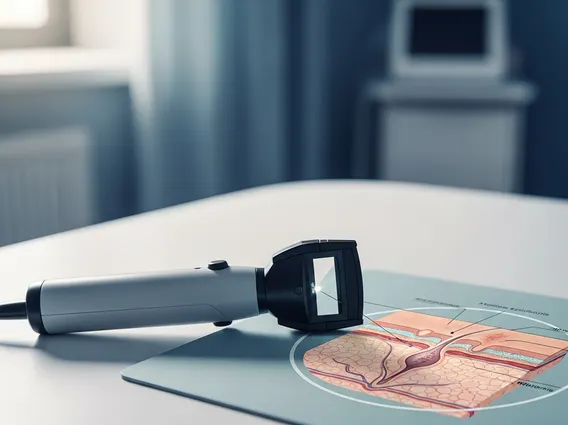
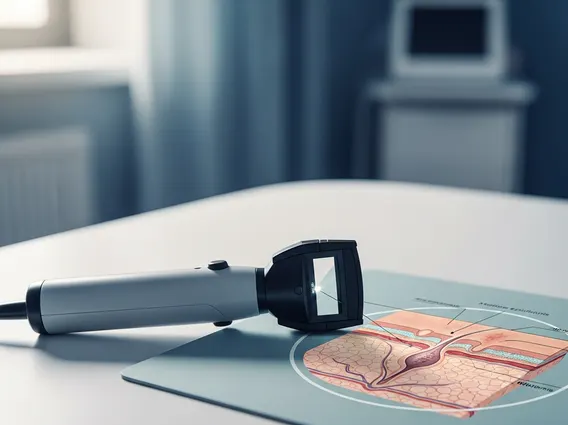
The diagnostic process usually starts with a visual inspection by a dermatologist, who may use a dermatoscope—a specialized magnifying tool—to examine suspicious moles more closely. If a lesion appears concerning, a biopsy is performed. This involves removing part or all of the suspicious growth for microscopic examination by a pathologist. The type of biopsy (e.g., excisional, incisional, punch) depends on the lesion’s size and location. If melanoma is confirmed, further tests, such as sentinel lymph node biopsy, imaging scans (CT, MRI, PET), and blood tests, may be conducted to determine if the cancer has spread, which is crucial for staging the disease.
Common Types and Prognosis
There are several types of melanoma and prognosis varies significantly based on the type, stage at diagnosis, and individual patient factors. The four main types of cutaneous melanoma include:
- Superficial Spreading Melanoma: The most common type, often found on the trunk in men and legs in women. It typically grows along the top layer of the skin for a period before penetrating deeper.
- Nodular Melanoma: The second most common type, it grows rapidly and often appears as a raised, dark lesion. It is more aggressive and tends to invade deeper layers of the skin earlier.
- Lentigo Maligna Melanoma: Often found on sun-damaged skin, particularly on the face of older individuals. It grows superficially for many years before becoming invasive.
- Acral Lentiginous Melanoma: A rare but aggressive type that appears on the palms, soles, or under the nails. It is more common in people with darker skin tones and can be harder to detect early.
The prognosis is generally excellent for melanoma detected at an early stage (Stage 0 or I), with five-year survival rates exceeding 98% when confined to the epidermis. However, the prognosis worsens as the cancer progresses to later stages, particularly if it has spread to lymph nodes or distant organs. Regular follow-up and surveillance are essential for all melanoma patients.
Treatment and Prevention
Effective management of melanoma involves a range of treatment strategies tailored to the individual and the stage of their cancer, alongside robust preventive measures. Understanding melanoma treatment options explained and implementing strategies for prevention are key components in combating this disease.
Available Treatment Options
The primary treatment for early-stage melanoma is surgical excision, where the tumor and a margin of healthy tissue are removed. For more advanced stages, treatment becomes more complex and may involve a combination of therapies:
- Surgery: Removal of the primary tumor, and potentially lymph nodes if the cancer has spread.
- Radiation Therapy: Uses high-energy rays to kill cancer cells, often used after surgery or for melanoma that has spread to other areas.
- Chemotherapy: Uses drugs to kill cancer cells, typically reserved for advanced melanoma that has spread widely.
- Targeted Therapy: Drugs that specifically target genetic mutations found in melanoma cells, such as BRAF or MEK inhibitors, blocking their growth and spread.
- Immunotherapy: Utilizes the body’s own immune system to fight cancer. Drugs like checkpoint inhibitors (e.g., PD-1 inhibitors) have revolutionized treatment for advanced melanoma by unleashing the immune response against cancer cells.
The choice of treatment depends on the melanoma’s stage, location, genetic characteristics, and the patient’s overall health. Advances in targeted and immunotherapies have significantly improved outcomes for patients with advanced melanoma.
Strategies for Prevention
Preventing melanoma skin cancer largely revolves around minimizing exposure to harmful UV radiation. Adopting sun-safe habits is the most effective way to reduce risk. The American Academy of Dermatology (AAD) recommends several key strategies:
- Seek Shade: Especially between 10 a.m. and 4 p.m. when UV rays are strongest.
- Wear Protective Clothing: Long-sleeved shirts, pants, wide-brimmed hats, and UV-blocking sunglasses offer physical protection.
- Use Sunscreen: Apply broad-spectrum sunscreen with an SPF of 30 or higher daily to all exposed skin, reapplying every two hours or after swimming/sweating.
- Avoid Tanning Beds: Artificial UV sources significantly increase melanoma risk.
- Regular Skin Self-Exams: Check your skin head-to-toe monthly for new or changing moles.
- Professional Skin Exams: Schedule annual skin checks with a dermatologist, especially if you have risk factors.
By consistently following these preventive measures, individuals can significantly lower their risk of developing melanoma and increase the chances of early detection if it does occur.
Melanoma FAQs
Yes, melanoma can develop in areas of the body not typically exposed to the sun, such as the palms of the hands, soles of the feet, under fingernails or toenails, and even in mucous membranes like the mouth or genitals. These less common forms, like acral lentiginous melanoma, highlight the importance of thorough skin checks everywhere, not just sun-exposed areas. While UV exposure is a primary risk factor, genetic predisposition and other factors can contribute to melanoma development in these hidden locations.
No, while many melanomas are dark brown or black due to melanin production, some can be amelanotic, meaning they lack pigment. Amelanotic melanoma can appear pink, red, skin-colored, or even clear. These can be particularly challenging to diagnose because they don’t fit the typical “dark mole” description, making the “C” for color variation in the ABCDE rule less obvious. Any new or changing skin lesion, regardless of color, should be evaluated by a dermatologist.
The frequency of professional skin exams depends on individual risk factors. For individuals with an average risk of melanoma, an annual skin check by a dermatologist is generally recommended. However, those with higher risk factors, such as a personal or family history of melanoma, numerous moles, or atypical moles, may require more frequent examinations, often every six months. Your dermatologist can advise on the most appropriate schedule based on your specific health profile and risk assessment.