Key Takeaways
- Gastric cancer involves malignant cell growth in the stomach lining, often progressing silently in its early stages.
- Early symptoms of stomach cancer are often vague and non-specific, making timely gastric cancer diagnosis challenging.
- Major risk factors influencing the causes of gastric cancer include H. pylori infection, dietary habits, smoking, and genetic predispositions.
- Treatment options for stomach cancer are highly individualized, depending on the stages of gastric cancer and may involve surgery, chemotherapy, radiation, targeted therapy, or immunotherapy.
- Lifestyle modifications, such as a healthy diet and avoiding tobacco, along with addressing risk factors like H. pylori, are key aspects of gastric cancer prevention.
Understanding Gastric Cancer
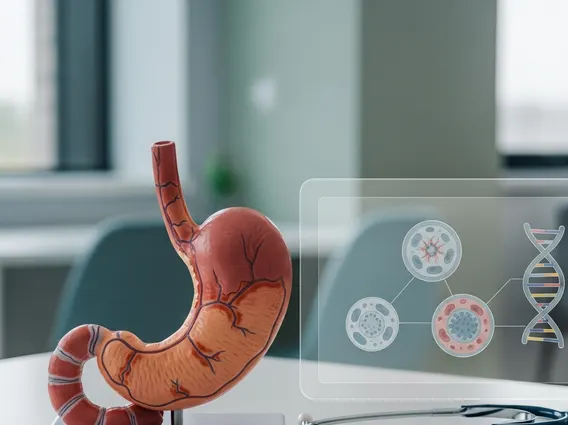
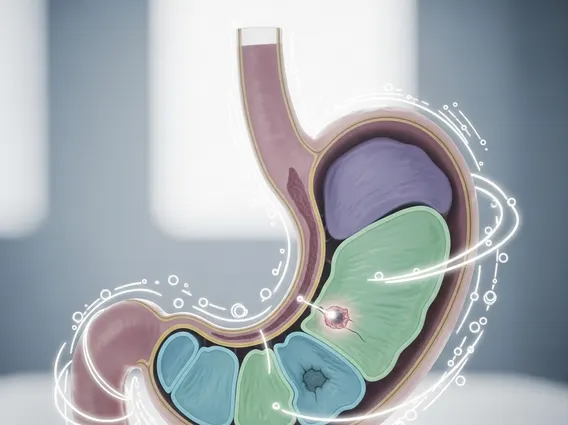
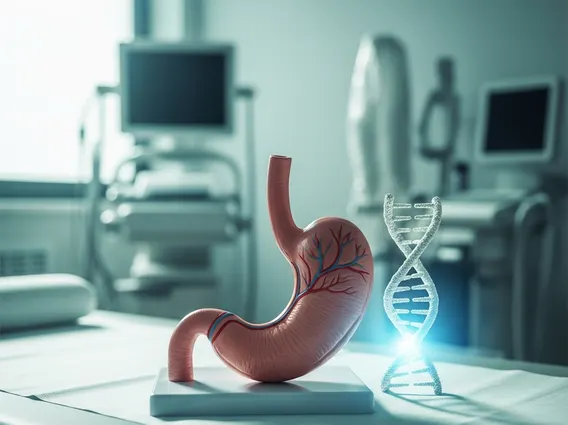
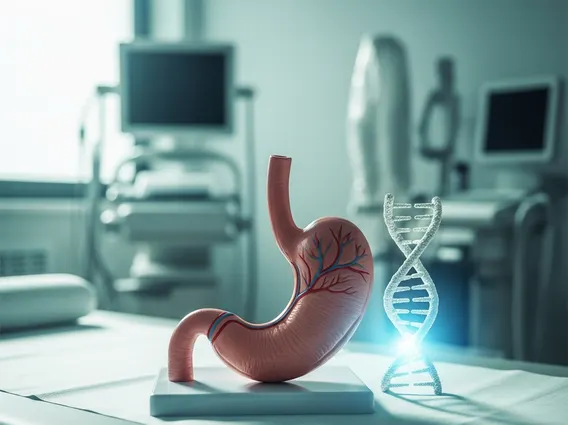
What is gastric cancer? It is a type of cancer that begins in the cells lining the stomach. The stomach is a muscular sac located in the upper abdomen, responsible for receiving food from the esophagus and breaking it down before it moves to the small intestine. Cancer can develop in any part of the stomach, but it most commonly originates in the glandular cells of the innermost lining, known as the mucosa.
Globally, gastric cancer remains a significant health concern. According to the World Health Organization (WHO), it is one of the leading causes of cancer-related deaths worldwide, though its incidence has been declining in many Western countries. Despite this decline, it continues to pose a substantial burden, particularly in East Asia and parts of Central and South America. The aggressive nature of the disease and its often late diagnosis contribute to its high mortality rates.
The vast majority of gastric cancers, approximately 90-95%, are adenocarcinomas, which develop from the glandular cells in the stomach lining. Other, less common types include lymphomas, gastrointestinal stromal tumors (GISTs), and carcinoid tumors. Understanding the specific type of gastric cancer is crucial, as it influences the prognosis and the most effective treatment strategies.
Symptoms and Causes of Stomach Cancer
The symptoms of stomach cancer can be subtle and non-specific in its early stages, often mimicking less serious digestive conditions. This makes early detection particularly challenging, as patients may not seek medical attention until the disease has advanced. Persistent or worsening symptoms should always prompt a visit to a healthcare professional for proper evaluation.
Common signs and symptoms that may indicate stomach cancer include:
- Indigestion and Heartburn: Persistent discomfort or burning sensation in the upper abdomen.
- Abdominal Discomfort or Pain: A vague ache or pain, often after eating, that doesn’t resolve.
- Nausea and Vomiting: Frequent feelings of sickness, sometimes with vomiting, which may contain blood in later stages.
- Loss of Appetite: A noticeable decrease in desire to eat, leading to unintentional weight loss.
- Feeling Full After Small Meals: Known as early satiety, where a person feels uncomfortably full after consuming only a small amount of food.
- Unexplained Weight Loss: Significant weight loss without changes in diet or exercise.
- Fatigue and Weakness: Often due to anemia caused by chronic blood loss from the tumor.
- Swallowing Difficulty (Dysphagia): If the tumor is near the junction of the esophagus and stomach.
Several factors contribute to the causes of gastric cancer, with some being more modifiable than others. One of the most significant risk factors is chronic infection with the bacterium Helicobacter pylori (H. pylori). This bacterium can cause chronic inflammation and ulcers in the stomach, which over time can lead to precancerous changes and eventually cancer. The Centers for Disease Control and Prevention (CDC) recognizes H. pylori as a major cause of gastric cancer.
Dietary habits also play a crucial role. A diet high in smoked, salted, and pickled foods, and low in fresh fruits and vegetables, is associated with an increased risk. Other risk factors include smoking, excessive alcohol consumption, a family history of gastric cancer, certain genetic syndromes (such as Lynch syndrome or hereditary diffuse gastric cancer), and conditions like chronic atrophic gastritis or pernicious anemia. Age is also a factor, with most cases diagnosed in individuals over 55.
Diagnosing and Staging Gastric Cancer
The process of gastric cancer diagnosis typically begins when a patient presents with persistent symptoms. Early and accurate diagnosis is paramount for effective treatment and improving patient outcomes. A thorough medical history and physical examination are the initial steps, where the doctor will inquire about symptoms, risk factors, and family history.
If gastric cancer is suspected, further diagnostic tests are ordered to confirm the presence of cancer, determine its type, and assess its extent. These tests are crucial not only for diagnosis but also for guiding treatment planning. The combination of various diagnostic methods provides a comprehensive picture of the disease.
Once cancer is confirmed, the next critical step is to determine the stages of gastric cancer. Staging describes the size of the tumor and whether it has spread to nearby lymph nodes or distant parts of the body. This information is vital for doctors to recommend the most appropriate and effective treatment plan.
Diagnostic Procedures
Several advanced procedures are used to diagnose gastric cancer:
- Endoscopy (Esophagogastroduodenoscopy – EGD): This is the primary diagnostic tool. A thin, flexible tube with a camera is passed down the throat into the esophagus, stomach, and duodenum. It allows the doctor to visualize the lining, identify any abnormalities, and take tissue samples (biopsies) for microscopic examination.
- Imaging Tests:
- CT Scan (Computed Tomography): Provides detailed cross-sectional images of the stomach and surrounding organs, helping to identify tumor size, spread to lymph nodes, and metastasis to other organs like the liver or lungs.
- PET Scan (Positron Emission Tomography): Often combined with CT, a PET scan uses a radioactive tracer to detect areas of increased metabolic activity, which can indicate cancer cells.
- Barium Swallow (Upper GI Series): Involves drinking a barium solution that coats the lining of the esophagus and stomach, making them visible on X-rays. This can help identify tumors or ulcers.
- Blood Tests: While not diagnostic for cancer alone, blood tests can reveal anemia (due to chronic blood loss), liver or kidney function abnormalities, and sometimes elevated levels of tumor markers, which can aid in monitoring treatment effectiveness.
- Endoscopic Ultrasound (EUS): An endoscope with an ultrasound probe is used to create detailed images of the stomach wall and nearby lymph nodes, helping to assess the depth of tumor invasion.
Staging System
The most widely used system for determining the stages of gastric cancer is the TNM system, developed by the American Joint Committee on Cancer (AJCC). TNM stands for:
- T (Tumor): Describes the size of the primary tumor and how deeply it has invaded the stomach wall.
- N (Nodes): Indicates whether the cancer has spread to nearby lymph nodes and, if so, how many.
- M (Metastasis): Determines if the cancer has spread to distant parts of the body (e.g., liver, lungs, peritoneum).
Based on the TNM classification, gastric cancer is assigned a stage from 0 to IV. This staging helps predict prognosis and guides treatment decisions. Here is a simplified overview:
| Stage | Description | Implication |
|---|---|---|
| Stage 0 | Carcinoma in situ; abnormal cells are only in the innermost layer of the stomach lining. | Highly curable with surgery. |
| Stage I | Cancer has grown deeper into the stomach wall but has not spread to distant sites. May involve nearby lymph nodes. | Good prognosis with surgery, sometimes combined with chemotherapy. |
| Stage II | Cancer has grown deeper into the stomach wall and/or spread to more lymph nodes, but not to distant organs. | Requires more aggressive treatment, often surgery plus chemotherapy/radiation. |
| Stage III | Cancer has spread through all layers of the stomach wall and/or to many regional lymph nodes, but not to distant sites. | Complex treatment, often multimodal (surgery, chemo, radiation). |
| Stage IV | Cancer has spread to distant organs (metastasis). | Advanced disease, typically managed with palliative treatments to control symptoms and improve quality of life. |
Treatment and Prevention Strategies
The treatment options for stomach cancer are highly individualized, depending on the stage of the cancer, its location, the patient’s overall health, and personal preferences. A multidisciplinary team of specialists, including surgeons, oncologists, and radiation oncologists, typically collaborates to develop the most effective treatment plan. The primary goal is to remove the cancer, prevent its spread, and manage symptoms.
Surgery is often the cornerstone of treatment for early-stage gastric cancer. The type of surgery depends on the tumor’s size and location. A partial gastrectomy involves removing only the cancerous part of the stomach, along with a margin of healthy tissue and nearby lymph nodes. For more extensive cancers, a total gastrectomy may be necessary, which involves removing the entire stomach and connecting the esophagus directly to the small intestine. In some cases, minimally invasive laparoscopic surgery may be an option.
Beyond surgery, other therapeutic approaches are frequently employed, either alone or in combination:
- Chemotherapy: Uses drugs to kill cancer cells throughout the body. It can be given before surgery (neoadjuvant) to shrink the tumor, after surgery (adjuvant) to eliminate remaining cancer cells, or for advanced cancer to control growth and relieve symptoms.
- Radiation Therapy: Uses high-energy X-rays or other particles to kill cancer cells or shrink tumors. It can be used before or after surgery, often in combination with chemotherapy, or for palliative care to alleviate pain or bleeding.
- Targeted Therapy: These drugs specifically target certain genes, proteins, or other molecules involved in cancer growth and survival, often with fewer side effects than traditional chemotherapy. Examples include drugs that target HER2 protein or angiogenesis pathways.
- Immunotherapy: Harnesses the body’s own immune system to fight cancer. These treatments help the immune system recognize and attack cancer cells, particularly in advanced cases or when other treatments have not been effective.
Gastric cancer prevention involves a combination of lifestyle modifications and addressing known risk factors. While not all cases can be prevented, adopting healthier habits can significantly reduce the risk of developing the disease. Public health initiatives also play a role in educating communities about prevention strategies.
Key strategies for prevention include:
- Healthy Diet: Emphasize a diet rich in fresh fruits, vegetables, and whole grains. Limit consumption of heavily processed, smoked, salted, and pickled foods, which are linked to increased risk.
- Avoid Tobacco and Limit Alcohol: Smoking is a major risk factor for many cancers, including gastric cancer. Excessive alcohol consumption also increases risk. Quitting smoking and moderating alcohol intake are crucial preventive steps.
- Treat H. pylori Infection: If diagnosed with H. pylori, especially in the presence of chronic inflammation or ulcers, eradication therapy (antibiotics) can reduce the risk of developing gastric cancer.
- Maintain a Healthy Weight: Obesity is a risk factor for several cancers, including gastric cancer. Maintaining a healthy body mass index (BMI) through diet and exercise can contribute to overall cancer prevention.
- Regular Check-ups for High-Risk Individuals: Individuals with a strong family history of gastric cancer or certain genetic syndromes may benefit from regular endoscopic surveillance to detect precancerous changes or early-stage cancer.
Gastric Cancer FAQs
The early warning signs of gastric cancer are often vague and can be easily mistaken for common digestive issues. These include persistent indigestion, mild abdominal discomfort, a feeling of fullness after eating small amounts of food, and unexplained weight loss. If these symptoms persist or worsen over time, it is crucial to consult a healthcare professional for a thorough evaluation to rule out serious conditions.
Treatment for gastric cancer is highly personalized and depends on the cancer’s stage, location, and the patient’s overall health. Common approaches include surgery to remove part or all of the stomach, often combined with chemotherapy to kill cancer cells. Radiation therapy, targeted therapy, and immunotherapy are also utilized, either alone or in combination, to manage the disease, especially in more advanced stages.
While not all cases of gastric cancer are preventable, several strategies can significantly reduce the risk. These include adopting a healthy diet rich in fruits and vegetables while limiting processed, smoked, and salted foods. Quitting smoking, moderating alcohol consumption, and seeking treatment for H. pylori infections are also vital preventive measures. Regular check-ups are recommended for individuals with a family history or other high-risk factors.