Blood Chemistry Test
A blood chemistry test is a routine medical procedure that provides valuable insights into your overall health. It measures the levels of various substances in your blood, offering a snapshot of your body’s current state and aiding in the diagnosis and management of conditions.
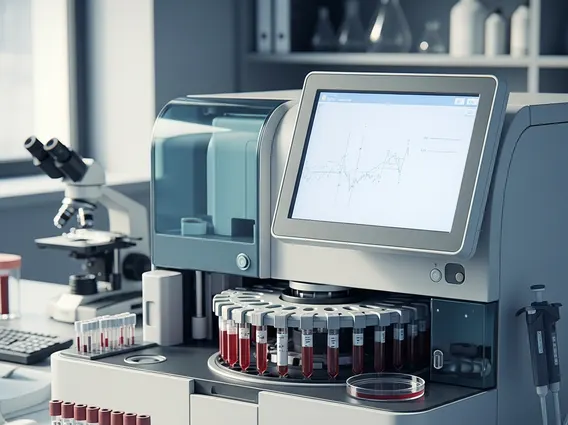
Key Takeaways
- A blood chemistry test, also known as a metabolic panel, measures key substances in your blood to assess organ function and detect health issues.
- It helps healthcare providers screen for diseases, monitor chronic conditions, and evaluate the effectiveness of treatments.
- Understanding your blood chemistry test results explained involves knowing the normal ranges and what deviations might signify for glucose, electrolytes, and organ function markers.
- Proper preparation, often including fasting and medication review, is crucial for accurate test results.
- These tests are a fundamental diagnostic tool, widely used to guide medical decisions and promote preventive care.
What is a Blood Chemistry Test?
A blood chemistry test, often referred to as a metabolic panel, is a common diagnostic tool used to measure the levels of various chemicals in your blood. These substances include electrolytes, glucose, lipids, and enzymes, among others. By analyzing these components, healthcare professionals can gain crucial information about the function of your organs, such as the kidneys and liver, and detect potential health problems. This test is a fundamental part of routine check-ups and plays a vital role in both diagnosing and managing a wide range of medical conditions. It helps answer the fundamental question of what is a blood chemistry test by providing a comprehensive overview of your body’s metabolic processes.
Purpose of a Blood Chemistry Panel
The purpose of blood chemistry panel extends beyond simple diagnosis; it serves multiple critical functions in healthcare. These tests are instrumental in screening for diseases like diabetes, kidney disease, and liver disorders, often before symptoms become apparent. They are also used to monitor chronic conditions, track the effectiveness of ongoing treatments, and assess overall organ health. For instance, according to the Centers for Disease Control and Prevention (CDC), routine blood tests are crucial for monitoring conditions like diabetes, which affects over 37 million Americans, helping to manage blood glucose levels and prevent complications. The insights gained from a blood chemistry panel enable healthcare providers to make informed decisions regarding patient care, personalize treatment plans, and recommend preventive measures.
Understanding Your Blood Chemistry Results
Once you’ve had a blood chemistry test, understanding your blood chemistry test results explained is key to grasping their implications. Your results will typically show a list of measured substances, each with a reference range indicating normal values. Deviations from these ranges can signal various health issues. For example, elevated glucose levels might suggest diabetes or pre-diabetes, while abnormal electrolyte levels (like sodium or potassium) could point to dehydration or kidney problems. Markers for kidney function, such as creatinine and blood urea nitrogen (BUN), and liver enzymes like ALT and AST, provide insight into the health of these vital organs. It’s important to remember that individual results should always be interpreted by a healthcare professional, as many factors can influence blood chemistry, and a single abnormal value may not necessarily indicate a serious condition.
| Component | General Indication |
|---|---|
| Glucose | Energy source; high levels may indicate diabetes. |
| Electrolytes (Sodium, Potassium, Chloride) | Fluid balance, nerve and muscle function. Imbalances can signal dehydration or kidney issues. |
| Creatinine & BUN | Kidney function; elevated levels suggest impaired kidney function. |
| ALT & AST | Liver function; elevated levels may indicate liver damage or disease. |
| Calcium | Bone health, nerve and muscle function. Imbalances can affect various body systems. |
Preparing for Your Blood Chemistry Test
Proper preparation is essential to ensure the accuracy of your blood chemistry test results. Knowing how to prepare for blood chemistry test can significantly impact the reliability of the findings. The most common instruction is fasting, which means refraining from eating or drinking anything other than water for a specified period, typically 8 to 12 hours, before the test. This is particularly crucial for tests measuring glucose and lipid levels. You should also inform your doctor about all medications, supplements, and herbal remedies you are taking, as some can affect test results. Your healthcare provider may advise you to temporarily stop certain medications or adjust dosages. Staying well-hydrated by drinking water is usually encouraged, as it can make blood drawing easier. Always follow the specific instructions provided by your doctor or the lab to ensure the most accurate and meaningful results from your blood chemistry panel.