Asparlas (Calaspargase Pegol-mknl): Uses, Side Effects & Warnings
Asparlas (Calaspargase Pegol-mknl) is a crucial medication in the treatment of certain cancers, specifically acute lymphoblastic leukemia (ALL). This article provides comprehensive information about Asparlas medication, detailing its therapeutic applications, potential adverse effects, and essential precautions. Understanding this drug is vital for patients, caregivers, and healthcare professionals involved in its administration and monitoring.
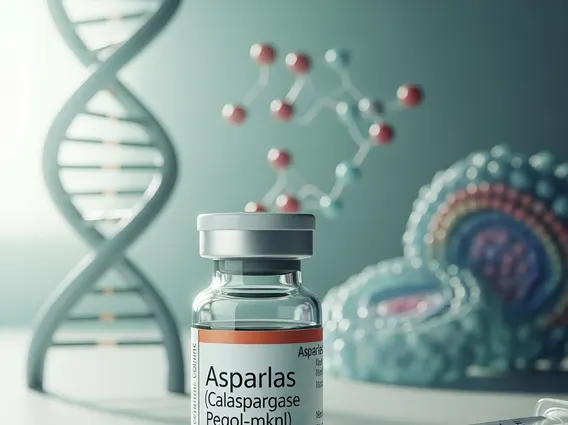
Key Takeaways
- Asparlas is an asparagine-depleting agent used to treat acute lymphoblastic leukemia (ALL) in pediatric and young adult patients.
- It works by breaking down asparagine, an amino acid essential for the growth of leukemia cells.
- Common side effects include allergic reactions, liver problems, pancreatitis, and blood clots.
- Patients require close monitoring for serious adverse events throughout treatment.
- Adherence to prescribed dosing and awareness of drug warnings are critical for safe and effective therapy.
What is Asparlas (Calaspargase Pegol-mknl) Used For?
Asparlas (Calaspargase Pegol-mknl) is an asparagine-depleting enzyme indicated as a component of a multi-agent chemotherapeutic regimen for the treatment of acute lymphoblastic leukemia (ALL) in pediatric and young adult patients aged 1 month to 21 years. This medication is specifically designed to target and deplete asparagine, an amino acid that is crucial for the proliferation of leukemia cells. Unlike healthy cells, which can synthesize their own asparagine, many ALL cells lack this ability and are dependent on external sources of asparagine for survival and growth. By reducing the circulating levels of asparagine, Asparlas effectively starves these cancerous cells, leading to their death.
The primary Asparlas uses and indications revolve around its role in combination therapy for ALL. It is not typically used as a standalone treatment but rather integrated into complex chemotherapy protocols that often include other cytotoxic agents. The strategic inclusion of Asparlas helps to enhance the overall efficacy of the treatment regimen, contributing to higher remission rates and improved outcomes for patients. Its pegylated form allows for a longer half-life in the body, meaning it can be administered less frequently compared to non-pegylated asparaginase formulations, which can be beneficial for patient convenience and adherence to treatment schedules.
Potential Side Effects of Calaspargase Pegol-mknl
Like all potent chemotherapy agents, Calaspargase Pegol-mknl side effects can range from mild to severe and require careful monitoring by healthcare professionals. Understanding these potential reactions is crucial for managing patient care and ensuring treatment safety. Common adverse reactions often include hypersensitivity reactions, which can manifest as rash, itching, or more severe anaphylaxis. Other frequently observed side effects involve the liver, such as elevated liver enzymes, and gastrointestinal issues like nausea, vomiting, and abdominal pain.
More serious side effects associated with Calaspargase Pegol-mknl include pancreatitis, a potentially life-threatening inflammation of the pancreas, which necessitates immediate medical attention. Thrombosis (blood clots) is another significant risk, potentially leading to pulmonary embolism, deep vein thrombosis, or cerebral venous thrombosis. Patients may also experience coagulation abnormalities, including both thrombotic and hemorrhagic events. Close monitoring of liver function, pancreatic enzymes (amylase and lipase), and coagulation parameters is essential throughout the treatment course to detect and manage these complications promptly. The following list outlines some of the key adverse events:
- Hypersensitivity Reactions: Ranging from mild rash to severe anaphylaxis.
- Pancreatitis: Inflammation of the pancreas, often presenting with severe abdominal pain.
- Thrombosis: Formation of blood clots in veins or arteries.
- Hepatotoxicity: Liver damage, indicated by elevated liver enzymes or bilirubin.
- Hemorrhage: Bleeding events due to coagulation abnormalities.
- Hyperglycemia: Elevated blood sugar levels.
- Central Nervous System (CNS) Effects: Such as headache, confusion, or seizures.
Asparlas Drug Warnings and Precautions
Asparlas drug warnings and precautions are critical considerations for safe and effective administration. Healthcare providers must be vigilant for severe hypersensitivity reactions, including anaphylaxis, which can occur with any dose. Patients should be observed for at least one hour after administration, and facilities for resuscitation should be readily available. If a severe allergic reaction occurs, Asparlas should be discontinued immediately, and appropriate medical management initiated. Patients with a history of serious hypersensitivity to other asparaginase products may be at increased risk.
Another significant warning pertains to pancreatitis. Asparlas can cause severe and fatal pancreatitis, and patients should be monitored for signs and symptoms such as abdominal pain, nausea, and vomiting. Serum amylase and lipase levels should be checked regularly. If pancreatitis is suspected, Asparlas should be withheld, and appropriate diagnostic and therapeutic measures taken. The balance between Asparlas benefits and risks must always be carefully weighed, especially given the severity of ALL, but patient safety remains paramount. The risk of thrombosis, including life-threatening cerebral venous thrombosis, also requires careful monitoring of coagulation parameters and prompt intervention if symptoms arise. Similarly, hepatotoxicity, ranging from elevated transaminases to liver failure, necessitates regular liver function tests. Hemorrhage and central nervous system effects are additional concerns that require close observation and management.
Key Information About Asparlas Treatment
Effective treatment with Asparlas (Calaspargase Pegol-mknl) relies on adherence to specific administration guidelines and comprehensive patient monitoring. This medication is administered intramuscularly, typically into a large muscle such as the thigh. The recommended dose and schedule are determined by the patient’s body surface area and the specific multi-agent chemotherapy protocol being followed. It is crucial to follow the prescribed dosing regimen precisely to maximize therapeutic efficacy while minimizing potential adverse effects. Proper preparation and handling of the medication are also essential to maintain its stability and potency, ensuring that patients receive the full benefit of each dose.
Ongoing patient assessment is a cornerstone of safe Asparlas therapy. This includes regular laboratory monitoring of liver function tests (ALT, AST, bilirubin), pancreatic enzymes (amylase, lipase), and coagulation parameters (PT, PTT, fibrinogen). These tests help detect early signs of potential complications such as hepatotoxicity, pancreatitis, or coagulopathy, allowing for timely intervention. Patients and caregivers should also be educated on recognizing symptoms of serious side effects, such as severe abdominal pain, sudden shortness of breath, or signs of an allergic reaction, and instructed to report them immediately to their healthcare team. This proactive approach to monitoring and communication is vital for managing the complexities of Calaspargase Pegol-mknl drug information and ensuring optimal patient outcomes.
Frequently Asked Questions About Asparlas
How is Asparlas administered?
Asparlas is administered intramuscularly (into a muscle), typically in the thigh. The exact dose and frequency depend on the patient’s body surface area and the specific chemotherapy protocol prescribed by the healthcare provider. It is crucial that the medication is prepared and administered by a trained healthcare professional in a clinical setting, ensuring sterile technique and appropriate monitoring for any immediate reactions. Patients should not attempt to self-administer Asparlas.
What should I tell my doctor before starting Asparlas?
Before starting Asparlas, inform your doctor about all your medical conditions, especially if you have a history of pancreatitis, blood clots, liver problems, or allergic reactions to other asparaginase products. Provide a complete list of all medications you are currently taking, including prescription drugs, over-the-counter medicines, vitamins, and herbal supplements, as these can interact with Asparlas. Also, disclose if you are pregnant, planning to become pregnant, or breastfeeding, as Asparlas can pose risks.
How does Asparlas work to treat leukemia?
Asparlas works by depleting asparagine, an amino acid that is essential for the growth and survival of acute lymphoblastic leukemia (ALL) cells. Unlike healthy cells, which can produce their own asparagine, many ALL cells are unable to do so and rely on external sources. By breaking down circulating asparagine, Asparlas effectively starves these cancerous cells, inhibiting their proliferation and ultimately leading to their death. This mechanism makes it a targeted component of multi-agent chemotherapy regimens for ALL.