Aromatherapy
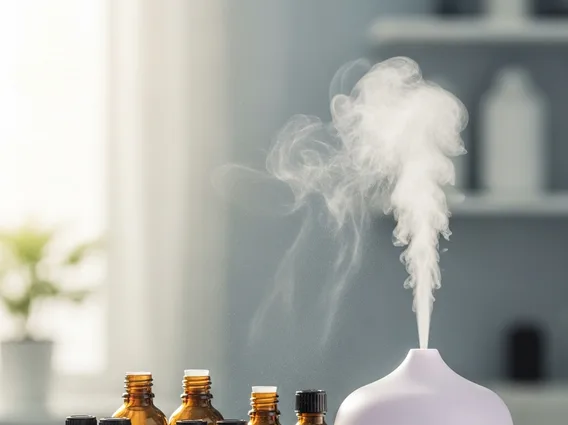
Aromatherapy is a holistic healing treatment that utilizes natural plant extracts, known as essential oils, to promote health and well-being. This complementary therapy leverages the aromatic compounds of plants to improve physical, mental, and emotional health.
Key Takeaways
- Aromatherapy involves the therapeutic use of concentrated plant extracts, called essential oils.
- It primarily works through inhalation and topical application, influencing the brain’s limbic system and being absorbed through the skin.
- Potential benefits include stress reduction, improved sleep quality, pain management, and mood enhancement.
- A wide variety of essential oils exist, each possessing unique properties and therapeutic applications.
- As a complementary therapy, aromatherapy is intended to support, not replace, conventional medical treatments.
What is Aromatherapy?
Aromatherapy is a traditional and complementary health approach that harnesses the power of aromatic plant extracts, specifically essential oils, for therapeutic purposes. It is an ancient practice that has been used for centuries across various cultures to promote physical and psychological well-being. The core principle involves using the natural aromas and beneficial properties of these oils to stimulate the body’s healing processes and enhance overall health.
The practice encompasses a range of applications, including inhalation, topical application, and sometimes diffusion into the air. Essential oils are highly concentrated extracts derived from various parts of plants, such as flowers, leaves, bark, and roots. Each oil contains a unique blend of chemical compounds that contribute to its specific aroma and therapeutic effects, making aromatherapy a diverse and adaptable modality for personal care and health support.
How Aromatherapy Works and Its Benefits
The therapeutic effects of aromatherapy are primarily achieved through two main pathways: inhalation and topical application. When essential oils are inhaled, their aromatic molecules travel through the olfactory system to the brain, particularly impacting the limbic system, which is responsible for emotions, memory, and mood. This interaction can trigger various physiological responses, such as changes in heart rate, breathing patterns, and stress hormone levels. For instance, certain aromas can promote relaxation, while others can be invigorating or help alleviate feelings of nausea.
Topical application involves diluting essential oils with carrier oils (like jojoba or almond oil) and applying them to the skin through massage, baths, or compresses. Once applied, the oils are absorbed into the bloodstream, where their active compounds can exert systemic effects throughout the body. The benefits of aromatherapy are wide-ranging and often depend on the specific essential oils used. Common benefits include:
- Stress and Anxiety Reduction: Many oils, such as lavender and bergamot, are known for their calming properties, helping to soothe the nervous system.
- Improved Sleep Quality: Certain essential oils can promote relaxation and help individuals fall asleep more easily and experience deeper rest.
- Pain Management: Some oils possess analgesic and anti-inflammatory properties that can help alleviate muscle aches, headaches, and other forms of discomfort.
- Enhanced Mood and Energy: Citrus oils like lemon and orange are often used to uplift mood and increase feelings of alertness and vitality.
- Digestive Support: Peppermint and ginger essential oils can help soothe digestive upset and reduce nausea.
It is important to note that while many individuals report positive experiences with aromatherapy, scientific research on its efficacy is ongoing. A 2015 review published in the journal Evidence-Based Complementary and Alternative Medicine highlighted promising results for anxiety and sleep, but also called for more rigorous studies.
Types of Essential Oils Used in Aromatherapy
The world of essential oils is vast, with hundreds of different types available, each offering distinct therapeutic properties. The choice of essential oil in aromatherapy depends on the desired effect, as each oil contains a unique chemical profile. Understanding these profiles helps practitioners and individuals select the most appropriate oils for their needs. Here are some commonly used essential oils and their primary applications:
| Essential Oil | Primary Therapeutic Uses |
|---|---|
| Lavender | Relaxation, stress relief, sleep aid, skin soothing |
| Peppermint | Headache relief, digestive aid, energy boost, nausea reduction |
| Tea Tree | Antiseptic, anti-inflammatory, skin purification, immune support |
| Lemon | Mood uplifting, cleansing, invigorating, immune support |
| Eucalyptus | Respiratory support, decongestant, muscle pain relief |
| Frankincense | Stress reduction, skin rejuvenation, meditative aid |
When selecting essential oils, it is crucial to choose high-quality, pure oils from reputable sources. Proper dilution is also essential, especially for topical application, to prevent skin irritation or sensitization. Consulting with a qualified aromatherapist or healthcare professional can provide guidance on safe and effective usage, particularly for individuals with underlying health conditions or those who are pregnant or breastfeeding.
Disclaimer: The information provided in this article is for educational purposes only and is not intended to be a substitute for professional medical advice, diagnosis, or treatment. Aromatherapy is a complementary therapy and should not replace conventional medical treatment. Always consult with a qualified healthcare provider before starting any new health regimen or if you have any medical questions or concerns.