Alimta (Pemetrexed Disodium): Uses, Side Effects & Warnings
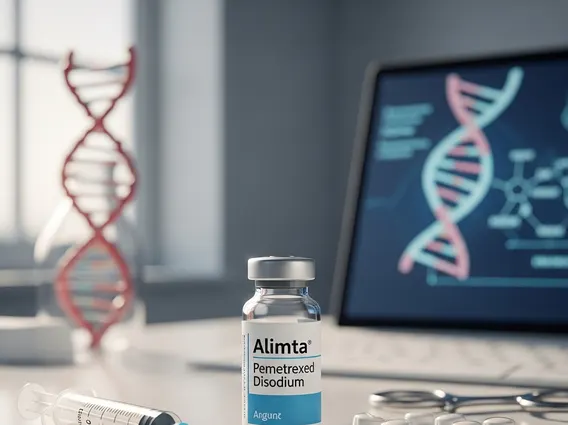
Alimta (pemetrexed disodium) is a chemotherapy medication used to treat certain types of cancer. This article provides comprehensive information on its uses, potential side effects, important warnings, and practical guidance for patients undergoing treatment.
Key Takeaways
- Alimta (pemetrexed disodium) is an antifolate chemotherapy drug primarily used for non-small cell lung cancer and malignant pleural mesothelioma.
- Common side effects include fatigue, nausea, vomiting, and appetite loss, while serious risks involve bone marrow suppression, kidney problems, and severe skin reactions.
- Patients must receive folic acid, vitamin B12, and corticosteroids before and during treatment to mitigate certain side effects.
- Close monitoring of blood counts and kidney function is crucial throughout Alimta therapy.
- Adherence to the treatment schedule and proactive communication with healthcare providers are essential for managing side effects and ensuring treatment efficacy.
What is Alimta (Pemetrexed Disodium) medication for?
Alimta (pemetrexed disodium) is a chemotherapy drug classified as an antifolate, meaning it works by interfering with the growth of cancer cells. It achieves this by inhibiting specific enzymes involved in the synthesis of purines and pyrimidines, which are essential building blocks for DNA and RNA. This disruption prevents cancer cells from dividing and multiplying, thereby slowing or stopping tumor growth. The drug is administered intravenously, typically in cycles, as part of a cancer treatment regimen.
The primary Alimta uses and indications include the treatment of malignant pleural mesothelioma and non-small cell lung cancer (NSCLC). For mesothelioma, it is often used in combination with cisplatin for patients who are unresectable or have not received prior chemotherapy. In NSCLC, Alimta is approved for various settings, including initial treatment in combination with cisplatin for locally advanced or metastatic non-squamous NSCLC, as maintenance therapy after initial chemotherapy, and as a single agent for patients with locally advanced or metastatic non-squamous NSCLC after prior chemotherapy.
An important Alimta vs Pemetrexed Disodium explanation is that Alimta is the brand name for the generic drug pemetrexed disodium. Both refer to the same active pharmaceutical ingredient used in cancer therapy. Understanding this distinction is important for patients, as they may encounter either name when discussing their treatment plan. The Pemetrexed disodium drug information emphasizes its role as a systemic treatment, meaning it travels throughout the body to target cancer cells wherever they may be present.
According to the American Cancer Society, lung cancer is the second most common cancer in both men and women, with non-small cell lung cancer accounting for about 80% to 85% of all lung cancers. Malignant pleural mesothelioma, while rarer, is an aggressive cancer often linked to asbestos exposure. Alimta plays a vital role in the therapeutic strategies for these challenging diseases, offering a significant treatment option for many patients.
Common and Serious Side Effects of Pemetrexed Disodium
Like all chemotherapy agents, pemetrexed disodium side effects can range from mild to severe, affecting various body systems. Patients are typically pre-medicated with folic acid, vitamin B12, and a corticosteroid (like dexamethasone) to help reduce the incidence and severity of some of these side effects, particularly skin reactions and bone marrow suppression. It is crucial for patients to adhere to this pre-medication schedule as prescribed by their healthcare provider.
Common side effects often experienced by patients undergoing Alimta treatment include:
- Fatigue: A pervasive feeling of tiredness that is not relieved by rest.
- Nausea and Vomiting: Often manageable with anti-nausea medications.
- Loss of Appetite: Can lead to weight loss and nutritional deficiencies.
- Diarrhea or Constipation: Changes in bowel habits.
- Mouth Sores (Mucositis): Painful inflammation and ulceration of the mouth and throat.
- Skin Rash: Redness, itching, or dryness of the skin.
- Hair Thinning: While not complete hair loss, some patients may experience thinning.
- Low Blood Counts: Including anemia (low red blood cells), leukopenia (low white blood cells), and thrombocytopenia (low platelets), which increase risks of infection, fatigue, and bleeding.
More serious side effects, though less common, require immediate medical attention. These can include severe bone marrow suppression, leading to life-threatening infections or bleeding. Kidney problems, characterized by changes in urination or swelling, can also occur, particularly in patients with pre-existing renal impairment. Other serious adverse events may include severe skin reactions (e.g., Stevens-Johnson syndrome), interstitial pneumonitis (inflammation of the lungs), and cardiovascular events.
Managing Common Side Effects
Managing common side effects is a key part of maintaining quality of life during Alimta treatment. For fatigue, balancing rest with light activity can be helpful. Nausea and vomiting can often be controlled with prescribed antiemetics, and eating small, frequent meals may also ease symptoms. Maintaining good oral hygiene and using specific mouthwashes can help alleviate mouth sores. Patients should discuss all side effects with their healthcare team, as adjustments to supportive care medications or treatment schedules may be necessary.
Recognizing Serious Side Effects
Patients and caregivers should be vigilant for signs of serious side effects. Fever (100.4°F or higher), chills, or any signs of infection (e.g., sore throat, cough) warrant immediate medical contact due to the risk of neutropenic fever. Unusual bruising or bleeding, severe abdominal pain, persistent diarrhea, or significant changes in kidney function (e.g., decreased urine output, swelling in ankles) also require urgent evaluation. Prompt reporting of these symptoms can prevent severe complications and ensure timely intervention.
Alimta Warnings and Precautions
Understanding Alimta warnings and precautions is critical for patient safety and treatment efficacy. Before starting Alimta, healthcare providers will assess a patient’s medical history, including any pre-existing conditions, to determine if the drug is appropriate. Patients with impaired kidney function may require dose adjustments or may not be suitable candidates for Alimta, as the drug is primarily eliminated through the kidneys. Close monitoring of kidney function tests (e.g., creatinine clearance) is essential throughout treatment.
Bone marrow suppression is a significant concern with Alimta, which can lead to neutropenia (low white blood cells), thrombocytopenia (low platelets), and anemia (low red blood cells). These conditions increase the risk of infection, bleeding, and fatigue, respectively. Regular complete blood counts (CBCs) are performed before each treatment cycle to ensure blood cell levels are within a safe range. If counts are too low, treatment may be delayed or the dose reduced.
Alimta is contraindicated in pregnant women due to potential harm to the fetus, and women of childbearing potential should use effective contraception during treatment and for at least 6 months after the last dose. Men should also use effective contraception during treatment and for 3 months after the last dose. Breastfeeding is not recommended during Alimta therapy and for one week after the last dose. Patients should discuss their reproductive plans and contraception needs with their healthcare provider.
Drug interactions are another important consideration. Alimta should be used with caution, or not at all, with certain medications, particularly non-steroidal anti-inflammatory drugs (NSAIDs) like ibuprofen or naproxen, as they can interfere with Alimta’s elimination and increase its toxicity. Patients should inform their doctor about all medications they are taking, including over-the-counter drugs, herbal supplements, and vitamins, to avoid potential interactions.
Living with Alimta Treatment: A Patient Guide
Navigating cancer treatment with Alimta requires a proactive approach to self-care and open communication with your healthcare team. This Alimta patient guide aims to empower individuals with practical advice for managing their treatment journey. Adherence to the prescribed treatment schedule, including pre-medications, is paramount. Missing doses or altering the schedule without medical advice can impact the effectiveness of the therapy and potentially increase side effects.
Maintaining good nutrition and hydration is vital. Even with appetite loss, try to consume small, frequent meals that are easy to digest. Staying well-hydrated by drinking plenty of fluids can help mitigate some side effects, such as constipation and kidney strain. Gentle exercise, such as walking, if approved by your doctor, can help combat fatigue and improve overall well-being. Prioritize rest and listen to your body’s signals for when to slow down.
It is essential to keep a detailed record of any side effects experienced, noting their severity, duration, and any factors that seem to worsen or alleviate them. This information is invaluable for your healthcare team in making informed decisions about managing your symptoms or adjusting your treatment plan. Do not hesitate to report new or worsening symptoms promptly, especially those indicative of serious complications like fever, chills, unusual bleeding, or severe pain.
Support systems, whether family, friends, or support groups, can provide emotional and practical assistance during treatment. Many cancer centers offer resources such as nutrition counseling, psychological support, and patient education programs. Engaging with these resources can significantly enhance your coping strategies and overall experience. Remember that while complementary therapies, such as acupuncture for nausea or meditation for stress, may offer supportive benefits, they should never replace your prescribed medical treatment and should always be discussed with your oncologist.
Frequently Asked Questions
What is the mechanism of action for Alimta (Pemetrexed Disodium)?
Alimta (pemetrexed disodium) functions as an antifolate antineoplastic agent. It works by disrupting the metabolic pathways essential for cell division and growth, specifically inhibiting enzymes like thymidylate synthase, dihydrofolate reductase, and glycinamide ribonucleotide formyltransferase. By interfering with the synthesis of purines and pyrimidines, which are critical components of DNA and RNA, Alimta prevents cancer cells from replicating and spreading, thereby leading to their death or cessation of growth.
How is Alimta (Pemetrexed Disodium) administered, and what pre-medications are necessary?
Alimta (pemetrexed disodium) is administered intravenously, typically over a 10-minute period, once every 21 days. To minimize side effects, patients must receive specific pre-medications. This includes oral folic acid supplementation daily, starting at least 5 days before the first dose and continuing throughout treatment and for 21 days after the last dose. Additionally, an intramuscular injection of vitamin B12 is given one week before the first dose and then every 9 weeks thereafter. A corticosteroid, such as dexamethasone, is also prescribed for 1-3 days around each infusion to reduce skin reactions.
What are the key monitoring requirements during Alimta (Pemetrexed Disodium) treatment?
During Alimta (pemetrexed disodium) treatment, close monitoring is essential to manage potential toxicities. Healthcare providers will regularly conduct complete blood counts (CBCs) before each treatment cycle to check for bone marrow suppression, including neutropenia, thrombocytopenia, and anemia. Kidney function tests, such as serum creatinine and creatinine clearance, are also routinely monitored to assess renal health, as Alimta is primarily excreted by the kidneys. These tests help guide dose adjustments and ensure patient safety throughout the course of therapy.