
Leiomyoma
Leiomyoma, commonly known as uterine fibroids, are non-cancerous growths that develop in the uterus. These benign tumors are highly prevalent among women of reproductive age, often leading to a range of symptoms that can impact quality of life.
Key Takeaways
- Leiomyomas are benign (non-cancerous) growths of the uterus, also known as uterine fibroids.
- They are very common, affecting a significant percentage of women, particularly during their reproductive years.
- Symptoms can vary widely but often include heavy menstrual bleeding, pelvic pain, and pressure.
- Their exact causes are not fully understood, but hormones (estrogen and progesterone) and genetics play a significant role.
- Diagnosis typically involves a pelvic exam and imaging techniques like ultrasound or MRI.
- Treatment options range from watchful waiting and medication to various surgical and non-surgical procedures, tailored to individual needs.
What is Leiomyoma? Understanding this Common Condition
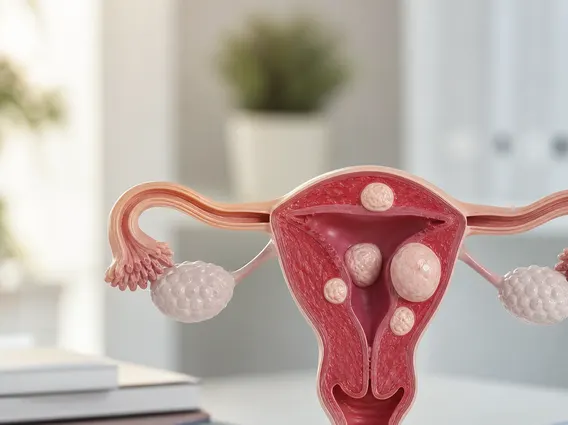
Leiomyoma refers to benign (non-cancerous) tumors that originate in the smooth muscle layer of the uterus, known as the myometrium. These growths are more commonly referred to as uterine fibroids. They can vary significantly in size, from tiny seedlings undetectable by the human eye to bulky masses that can distort the uterus and even expand the abdomen. Understanding what is leiomyoma medical condition is crucial, as it is one of the most common gynecological conditions, affecting up to 70-80% of women by age 50, though not all will experience symptoms. (Source: National Institute of Environmental Health Sciences).
Leiomyomas are classified based on their location within the uterus:
- Intramural fibroids: Grow within the muscular wall of the uterus.
- Subserosal fibroids: Project to the outer surface of the uterus.
- Submucosal fibroids: Bulge into the uterine cavity.
- Pedunculated fibroids: Grow on a stalk, either inside or outside the uterus.
While the exact reason for their development is not fully understood, they are known to be influenced by hormones, particularly estrogen and progesterone, which contribute to their growth during the reproductive years.
Symptoms, Causes, and Diagnosis of Leiomyoma
The presence and severity of symptoms associated with leiomyoma symptoms and diagnosis depend on the size, number, and location of the fibroids. Many women with leiomyomas experience no symptoms at all, while others suffer from debilitating issues. Common symptoms include heavy or prolonged menstrual bleeding (menorrhagia), pelvic pressure or pain, frequent urination, constipation, backache, leg pain, and pain during intercourse. In some cases, leiomyomas can also contribute to reproductive issues, such as infertility or complications during pregnancy.
The precise causes of leiomyoma in women are not entirely clear, but several factors are believed to play a role. Hormonal influences are significant, as fibroids tend to grow during a woman’s reproductive years when estrogen and progesterone levels are higher, and they often shrink after menopause. Genetic factors also contribute, with a family history of fibroids increasing a woman’s risk. Other potential risk factors include obesity, early onset of menstruation, and a diet high in red meat.
Diagnosis typically begins with a pelvic exam, during which a doctor may feel irregularities in the shape or size of the uterus. Further diagnostic imaging is usually required to confirm the presence, size, and location of leiomyomas. Common diagnostic tools include:
| Diagnostic Method | Description |
|---|---|
| Ultrasound | Uses sound waves to produce images of the uterus and other pelvic organs, providing a clear view of fibroids. |
| Magnetic Resonance Imaging (MRI) | Offers a more detailed picture of the size, number, and exact location of fibroids, often used for surgical planning. |
| Hysteroscopy | A thin, lighted scope is inserted through the vagina and cervix into the uterus to visualize submucosal fibroids directly. |
| Laparoscopy | A minimally invasive surgical procedure where a small incision is made to insert a scope and view the outside of the uterus. |
Leiomyoma Treatment Options Explained
The approach to leiomyoma treatment options explained is highly individualized, depending on the woman’s age, symptom severity, fibroid size and location, desire for future pregnancy, and overall health. For women with no or mild symptoms, watchful waiting may be recommended, involving regular monitoring of symptoms and fibroid growth. Medical management often focuses on alleviating symptoms, particularly heavy bleeding and pain.
Medications can include nonsteroidal anti-inflammatory drugs (NSAIDs) for pain, birth control pills to regulate menstrual cycles and reduce bleeding, and GnRH agonists (gonadotropin-releasing hormone agonists) which temporarily shrink fibroids by inducing a menopause-like state. However, GnRH agonists are typically used for a limited time due to potential side effects.
For more severe symptoms or larger fibroids, various procedures may be considered:
- Uterine Artery Embolization (UAE): A minimally invasive procedure where small particles are injected into the arteries supplying the uterus, blocking blood flow to the fibroids and causing them to shrink.
- Myomectomy: A surgical procedure that removes only the fibroids, preserving the uterus. This is often preferred by women who wish to retain their fertility.
- Hysterectomy: The surgical removal of the entire uterus. This is a definitive solution for leiomyomas and is typically considered for women who have completed childbearing or when other treatments have failed.
- Endometrial Ablation: Destroys the lining of the uterus to reduce heavy bleeding, suitable for women with small fibroids and no desire for future pregnancy.
It is important for individuals to discuss all available options with their healthcare provider to determine the most appropriate course of action based on their specific circumstances and health goals. While some complementary therapies may offer supportive benefits, they should not replace conventional medical treatment for leiomyomas.



















