
Jamshidi Needle
The Jamshidi Needle is a specialized medical instrument crucial in diagnostic procedures, particularly for evaluating bone marrow conditions. Its unique design facilitates the safe and effective collection of tissue samples, aiding in the diagnosis and management of various hematological disorders.
Key Takeaways
- The Jamshidi Needle is a specialized device used for obtaining bone marrow biopsies.
- It features a sharp, beveled tip and a stylet for precise and intact tissue collection.
- Primary uses include diagnosing blood disorders, staging cancers, and investigating infections.
- The procedure typically involves local anesthesia and careful insertion into the posterior superior iliac spine.
- Bone marrow biopsies are vital for accurate diagnosis and guiding treatment plans.
What is a Jamshidi Needle?
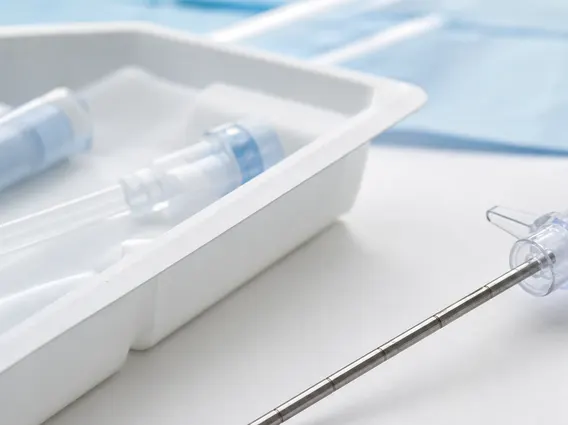
The Jamshidi Needle is a specific type of biopsy needle primarily used for obtaining bone marrow samples. Developed by Dr. Khosrow Jamshidi, it is characterized by its distinct design, which includes a sharp, beveled tip and a stylet that fits snugly inside the needle. This design allows for efficient penetration through the cortical bone and the collection of an intact core of bone marrow tissue, known as a trephine biopsy. The needle is typically made of stainless steel and comes in various gauges and lengths to accommodate different patient anatomies and procedural requirements. Its robust construction ensures minimal tissue disruption during insertion and extraction, making it a preferred tool for clinicians performing these delicate diagnostic procedures.
Key Uses of the Jamshidi Needle
The primary jamshidi needle uses revolve around the diagnosis and staging of a wide range of hematological and oncological conditions. Bone marrow biopsies obtained with this needle are instrumental in:
- Diagnosing blood disorders such as aplastic anemia, myelodysplastic syndromes, and various types of leukemia and lymphoma.
- Staging certain cancers, including lymphomas and solid tumors that may metastasize to the bone marrow.
- Investigating unexplained fevers or infections, as the bone marrow can harbor infectious agents.
- Assessing the cause of unexplained cytopenias (low blood cell counts) or other abnormal blood test results.
- Monitoring the effectiveness of treatment for certain conditions that affect the bone marrow.
The ability to retrieve a high-quality, undisturbed bone marrow core sample is critical for accurate pathological examination, which guides treatment decisions and prognosis for patients.
Performing a Jamshidi Needle Bone Marrow Biopsy
The jamshidi needle procedure for a bone marrow biopsy is a common clinical practice, typically performed by hematologists, oncologists, or interventional radiologists. The most frequent site for a jamshidi needle bone marrow biopsy is the posterior superior iliac spine (PSIS) of the hip bone, due to its accessibility and ample marrow. The procedure generally involves several key steps:
First, the patient is positioned comfortably, usually lying on their side or stomach. The biopsy site is thoroughly cleaned with an antiseptic solution and draped to maintain sterility. Next, a local anesthetic, such as lidocaine, is injected into the skin, subcutaneous tissue, and periosteum (the membrane covering the bone) to minimize discomfort during the procedure. A small incision may then be made in the skin to facilitate needle entry. The Jamshidi Needle, with its stylet in place, is advanced through the skin and soft tissue until it reaches the outer surface of the bone.
Once at the bone, the needle is carefully rotated and advanced through the cortical bone into the marrow cavity. The stylet is then removed, and the needle is further advanced to collect a core sample of bone marrow. The needle is rotated to detach the core sample, and the entire needle is carefully withdrawn. The bone marrow core is gently expelled from the needle into a fixative solution for pathological analysis. Often, a bone marrow aspirate (liquid marrow) is also collected using a separate syringe attached to the needle before the trephine biopsy. Finally, pressure is applied to the biopsy site to control bleeding, and a sterile dressing is applied. Patients are typically monitored for a short period before discharge. This procedure, while generally safe, carries minor risks such as bruising, bleeding, or infection, which are carefully managed by medical professionals.



















