
Stage Ivb Nasal Cavity And Ethmoid Sinus Cancer
Stage IVB Nasal Cavity and Ethmoid Sinus Cancer represents a highly advanced form of cancer originating in the intricate structures of the nose and paranasal sinuses. This article aims to provide a comprehensive overview of this condition, including its definition, common symptoms, diagnostic approaches, and available treatment strategies.
Key Takeaways
- Stage IVB Nasal Cavity and Ethmoid Sinus Cancer signifies an advanced stage where the disease has spread significantly to surrounding structures or distant sites.
- Symptoms often include persistent nasal obstruction, facial pain, and vision changes, necessitating prompt medical evaluation.
- Diagnosis relies on a combination of imaging studies, endoscopic examination, and tissue biopsies to confirm the presence and extent of the cancer.
- Treatment typically involves a multidisciplinary approach, often combining surgery, radiation therapy, and chemotherapy.
- The prognosis for stage 4B nasal cavity cancer is generally more challenging due to the advanced nature of the disease, underscoring the importance of aggressive and tailored treatment plans.
What is Stage IVB Nasal Cavity and Ethmoid Sinus Cancer?
Stage IVB Nasal Cavity and Ethmoid Sinus Cancer refers to a severe and advanced classification of cancer affecting the nasal cavity and the ethmoid sinuses. In this stage, the cancer has grown extensively, often invading nearby critical structures such as the base of the skull, brain, eye, or major blood vessels. It may also have spread to distant parts of the body (metastasis), though Stage IVB specifically indicates extensive local or regional spread rather than distant metastases, which would typically be Stage IVC. Cancers of the nasal cavity and paranasal sinuses are relatively rare, accounting for less than 1% of all cancers, with ethmoid sinus cancers being a subset of these. According to data from the American Cancer Society, these cancers are more common in men and typically diagnosed in older adults.
The staging system, often based on the TNM (Tumor, Node, Metastasis) classification, helps oncologists determine the extent of the cancer and plan appropriate treatment. Stage IVB indicates that the tumor (T) is large and has invaded critical structures, or that there is extensive regional lymph node involvement (N), but no distant metastasis (M0).
Symptoms and Diagnosis of Stage IVB Nasal Cavity Cancer
Recognizing Stage IVB nasal cavity cancer symptoms is crucial for early intervention, although at this advanced stage, symptoms are often pronounced. These can vary depending on the exact location and extent of the tumor’s invasion. Common symptoms may include persistent nasal obstruction or stuffiness, chronic nasal discharge (sometimes bloody), facial pain or numbness, swelling around the eyes, vision changes (such as double vision or loss of vision), and persistent headaches. As the cancer progresses, patients might also experience difficulty breathing through the nose, changes in smell, or even proptosis (bulging of the eye) if the orbit is involved.
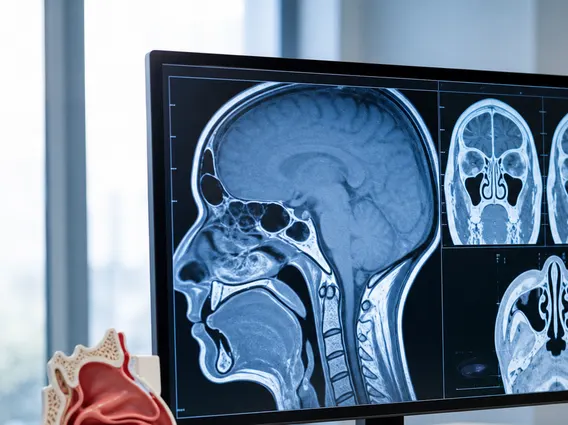
Diagnosis typically involves a thorough physical examination, including an endoscopic evaluation of the nasal cavity and sinuses. Imaging studies are critical for staging and include computed tomography (CT) scans, magnetic resonance imaging (MRI) scans, and sometimes positron emission tomography (PET) scans to assess the extent of local invasion and potential spread to lymph nodes or distant sites. A biopsy of the suspicious tissue is essential to confirm the diagnosis and determine the specific type of cancer cells present.
Treatment Options and Prognosis for Stage IVB Ethmoid Sinus Cancer
The Ethmoid sinus cancer stage IVB treatment plan is complex and highly individualized, often requiring a multidisciplinary team of specialists including head and neck surgeons, radiation oncologists, medical oncologists, and reconstructive surgeons. Due to the advanced nature of Stage IVB, treatment aims to control the disease, alleviate symptoms, and improve quality of life. Common treatment modalities include:
- Surgery: Often the primary treatment, involving extensive resection of the tumor and surrounding affected tissues. This can be challenging due to the proximity to vital structures like the brain and eyes.
- Radiation Therapy: Used either after surgery to eliminate residual cancer cells or as a primary treatment if surgery is not feasible. Advanced techniques like intensity-modulated radiation therapy (IMRT) can help spare healthy tissues.
- Chemotherapy: May be used in conjunction with radiation (chemoradiation) to enhance its effectiveness, or as a systemic treatment for widespread disease.
- Targeted Therapy and Immunotherapy: Newer treatments that specifically target cancer cells or boost the body’s immune response may be considered based on the tumor’s genetic profile.
The prognosis for stage 4B nasal cavity cancer is generally more guarded compared to earlier stages due to the extensive local spread and potential for recurrence. Survival rates vary widely depending on factors such as the exact extent of the tumor, its response to treatment, the patient’s overall health, and the presence of specific genetic markers. While challenging, aggressive and tailored treatment plans can significantly impact outcomes, emphasizing the importance of comprehensive care and ongoing research into new therapeutic strategies.



















