
T LymphocyteT Lymphocyte
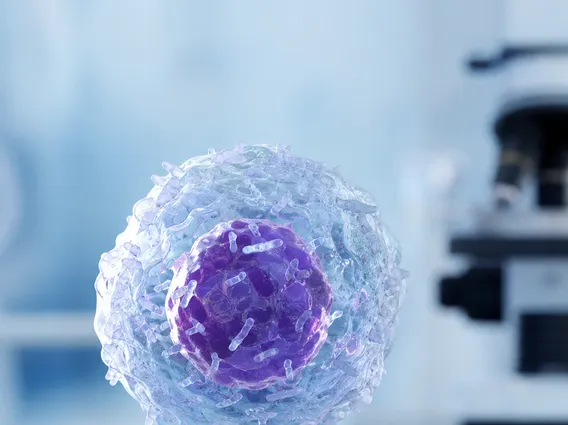
T Lymphocytes are a vital component of the immune system, playing a central role in adaptive immunity. These specialized white blood cells are essential for recognizing and eliminating pathogens, as well as abnormal cells within the body.
Key Takeaways
- T Lymphocytes are a type of white blood cell crucial for adaptive immunity, maturing in the thymus.
- They identify and target specific pathogens and abnormal cells through unique receptors.
- Key types include Helper T cells (CD4+), Cytotoxic T cells (CD8+), and Regulatory T cells, each with distinct roles.
- T cells are activated when they recognize antigens presented by other immune cells, leading to a targeted immune response.
- Their function is critical for fighting infections, combating cancer, and maintaining immune tolerance.
What is a T Lymphocyte?
A T Lymphocyte, often referred to as a T cell, is a type of white blood cell that is central to the adaptive immune system. These cells originate in the bone marrow as hematopoietic stem cells and then migrate to the thymus, an organ located in the chest, where they undergo a critical maturation process. During this maturation, T cells develop unique T-cell receptors (TCRs) on their surface, which enable them to recognize specific antigens.
The ability of T lymphocytes to distinguish between “self” and “non-self” is fundamental to their function. They are responsible for cell-mediated immunity, a powerful defense mechanism that targets cells infected with viruses, bacteria, or other intracellular pathogens, as well as cancerous cells. Unlike B cells, which recognize free-floating antigens, T cells typically recognize antigens that are presented on the surface of other cells by specialized molecules called Major Histocompatibility Complex (MHC) proteins.
Functions and Types of T Lymphocytes
The function of T cells in the immune system is multifaceted, encompassing direct killing of infected cells, coordination of immune responses, and regulation of immune activity. Their diverse roles are carried out by several distinct types of T lymphocytes and roles, each specialized for a particular task.
Here are the primary types of T lymphocytes and their key functions:
- Helper T cells (CD4+ T cells): These cells do not directly kill infected cells but instead play a crucial role in orchestrating the immune response. They recognize antigens presented by MHC class II molecules and, upon activation, release cytokines. These signaling molecules stimulate other immune cells, such as B cells to produce antibodies, macrophages to become more effective at phagocytosis, and cytotoxic T cells to proliferate and differentiate.
- Cytotoxic T cells (CD8+ T cells): Often called “killer T cells,” these cells are responsible for directly identifying and destroying cells infected with intracellular pathogens (like viruses) or cancerous cells. They recognize antigens presented by MHC class I molecules on the surface of target cells and induce apoptosis (programmed cell death) in these compromised cells.
- Regulatory T cells (Tregs): These cells are vital for maintaining immune tolerance and preventing autoimmune diseases. They suppress the activity of other immune cells, helping to prevent excessive or inappropriate immune responses that could harm healthy tissues. Tregs play a critical role in distinguishing between harmful pathogens and harmless self-antigens.
- Memory T cells: After an initial encounter with an antigen, some activated T cells differentiate into memory T cells. These long-lived cells persist in the body for extended periods, sometimes decades. Upon re-exposure to the same antigen, memory T cells can rapidly proliferate and mount a stronger, faster, and more effective immune response, providing long-term immunity against specific pathogens.
How T Lymphocytes Work in Immunity
The process of how do T lymphocytes work involves a precise sequence of events, beginning with antigen recognition and culminating in a targeted immune response. This mechanism ensures that the immune system effectively combats threats while minimizing damage to healthy tissues.
The activation of T lymphocytes typically starts when an antigen-presenting cell (APC), such as a dendritic cell or macrophage, engulfs a pathogen and processes its antigens. These antigens are then displayed on the APC’s surface within MHC molecules. A T cell, with its specific T-cell receptor, then binds to this antigen-MHC complex. This binding, along with co-stimulatory signals, activates the T cell.
Once activated, T cells undergo clonal expansion, rapidly dividing to produce a large army of identical effector cells, all specific to the recognized antigen. Helper T cells release cytokines to coordinate the broader immune response, while cytotoxic T cells actively seek out and destroy infected or cancerous cells. After the threat is cleared, most effector T cells undergo apoptosis, but a small population differentiates into memory T cells, ensuring a quicker and more robust response to future encounters with the same pathogen.
Disclaimer: The information provided in this article is for general knowledge and informational purposes only, and does not constitute medical advice. It is essential to consult with a qualified healthcare professional for any health concerns or before making any decisions related to your health or treatment.



















