
Recombinant Human Papillomavirus Quadrivalent Vaccine
The Recombinant Human Papillomavirus Quadrivalent Vaccine represents a significant advancement in public health, offering protection against specific types of human papillomavirus that can lead to various cancers and diseases. This vaccine plays a crucial role in preventing infections by targeting the most common high-risk and low-risk HPV strains.
Key Takeaways
- Recombinant Human Papillomavirus Quadrivalent Vaccine protects against four specific HPV types.
- It is highly effective in preventing certain cancers and genital warts.
- Benefits include a significant reduction in HPV-related diseases, while risks are generally mild and temporary.
- The vaccine is most effective when administered before exposure to HPV.
- Recommended administration involves a series of doses based on age.
What is Recombinant Human Papillomavirus Quadrivalent Vaccine?
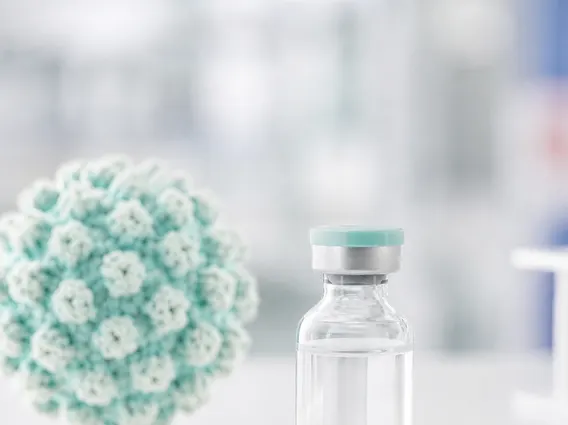
Recombinant Human Papillomavirus Quadrivalent Vaccine is a vaccine designed to protect against infection by four specific types of human papillomavirus (HPV): types 6, 11, 16, and 18. HPV types 16 and 18 are responsible for approximately 70% of cervical cancers and a significant percentage of other anogenital cancers, while types 6 and 11 cause about 90% of genital warts. This vaccine is produced using recombinant DNA technology, containing virus-like particles (VLPs) that resemble the outer shell of the HPV virus but are non-infectious. These VLPs stimulate the immune system to produce antibodies, providing protection against future HPV infections.
The primary goal of the Recombinant Human Papillomavirus Quadrivalent Vaccine is to prevent HPV infection, thereby reducing the incidence of HPV-related diseases, including various cancers and genital warts. It is a prophylactic vaccine, most effective when administered before an individual is exposed to HPV.
Benefits and Risks of the Quadrivalent HPV Vaccine
The HPV quadrivalent vaccine benefits and risks are crucial considerations. The benefits are substantial, primarily stemming from its ability to prevent infections by the targeted HPV types, leading to a significant reduction in the incidence of:
- Cervical cancer and pre-cancers
- Anal cancer and pre-cancers
- Vaginal and vulvar cancers and pre-cancers
- Genital warts
According to the Centers for Disease Control and Prevention (CDC), HPV vaccination could prevent over 30,000 cases of cancer each year in the United States alone. Its widespread use has already demonstrated a significant decrease in HPV infections and related diseases among vaccinated populations. While highly beneficial, the vaccine also carries potential risks, though these are generally mild and temporary. Common side effects include pain, redness, or swelling at the injection site, fever, headache, nausea, or muscle pain. Serious allergic reactions are rare. The overall safety profile of the quadrivalent HPV vaccine has been extensively studied and affirmed by global health organizations like the World Health Organization (WHO) and the CDC.
Efficacy and Administration of the Recombinant HPV Vaccine
The recombinant human papillomavirus vaccine efficacy is remarkably high, particularly when administered before sexual activity and potential HPV exposure. Clinical trials and real-world data consistently show the vaccine is nearly 100% effective in preventing persistent infection, pre-cancerous lesions, and genital warts caused by the targeted HPV types (6, 11, 16, and 18). This high protection significantly reduces the lifetime risk of developing HPV-related cancers. The vaccine’s protection is long-lasting, with studies indicating sustained immunity for at least 10 years.
For comprehensive quadrivalent HPV vaccine information, understanding its administration schedule is key. The vaccine is typically administered as a series of intramuscular injections, with the recommended schedule varying by age:
- For individuals 9 through 14 years of age: A two-dose schedule is recommended, with the second dose given 6 to 12 months after the first.
- For individuals 15 through 26 years of age: A three-dose schedule is recommended. The second dose is given 1 to 2 months after the first, and the third dose is given 6 months after the first dose.
- For individuals 27 through 45 years of age: Vaccination may be considered in consultation with a healthcare provider, based on individual risk factors, following a three-dose schedule.
Adherence to the recommended dosing schedule is crucial for achieving optimal immune response and maximum protection.



















