
Diverticulitis
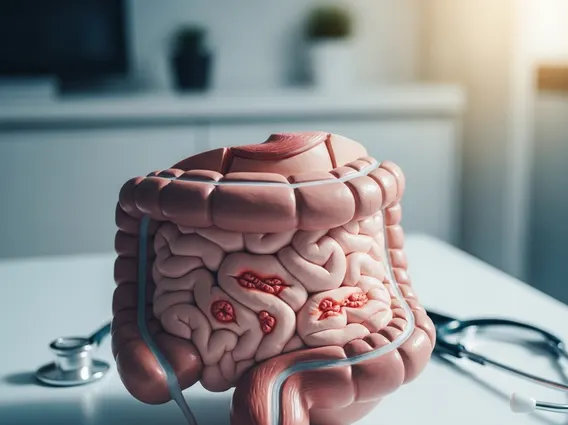
Diverticulitis is a common digestive condition characterized by the inflammation or infection of small, bulging pouches called diverticula that can form in the lining of the digestive tract, most commonly in the large intestine (colon).
Key Takeaways
- Diverticulitis involves inflamed or infected pouches (diverticula) in the colon, leading to abdominal pain and other symptoms.
- Common symptoms include severe abdominal pain, fever, and changes in bowel habits, often linked to a low-fiber diet and aging.
- Treatment typically involves antibiotics, pain management, and dietary adjustments, with severe cases sometimes requiring hospitalization or surgery.
- Dietary recommendations are crucial, focusing on clear liquids during flare-ups and a high-fiber diet for prevention.
- Early diagnosis and appropriate management are essential to prevent complications and improve quality of life.
What is Diverticulitis?
Diverticulitis refers to the condition where diverticula, which are small, bulging pouches that can form in the lining of the digestive system, become inflamed or infected. These pouches, when present without inflammation, are known as diverticulosis. While diverticulosis is common, especially with age, only a fraction of individuals will develop diverticulitis. According to the National Institute of Diabetes and Digestive and Kidney Diseases (NIDDK), diverticulosis affects about half of all Americans over age 60, and approximately 10% to 25% of those with diverticulosis will develop diverticulitis.
The exact mechanism by which diverticula become inflamed or infected is not fully understood, but it is believed that small pieces of stool or undigested food can get trapped in these pouches, leading to bacterial overgrowth and subsequent inflammation or infection. This condition can range from mild to severe, potentially leading to serious complications if left untreated.
Diverticulitis Symptoms and Causes
Understanding diverticulitis symptoms and causes is crucial for early diagnosis and effective management. The symptoms often appear suddenly and can vary in intensity. The most common symptom is persistent abdominal pain, usually in the lower-left side of the abdomen, which can worsen with movement or coughing. Other signs and symptoms may include:
- Fever and chills
- Nausea and vomiting
- Changes in bowel habits, such as constipation or diarrhea
- Abdominal tenderness
- Bloating
Several factors contribute to the development of diverticulitis. While the precise cause is not always clear, a diet low in fiber is a significant risk factor, as it can lead to harder stools and increased pressure in the colon, potentially forming diverticula. Other contributing factors include aging, as the condition becomes more prevalent with age; obesity; smoking; lack of physical activity; and the use of certain medications like nonsteroidal anti-inflammatory drugs (NSAIDs) and steroids. Genetics may also play a role in some individuals.
Treating Diverticulitis: Management and Diet
When considering how to treat diverticulitis, the approach depends on the severity of the condition. Mild cases can often be managed at home with a combination of rest, antibiotics to clear any infection, and pain relievers. Your doctor may also recommend temporary dietary changes to allow your bowel to rest. For more severe cases, hospitalization may be necessary, where intravenous antibiotics and fluids are administered. In instances of complications such as abscesses, perforations, or fistulas, surgical intervention might be required to remove the affected part of the colon.
Diverticulitis diet recommendations are a cornerstone of both managing acute flare-ups and preventing future episodes. During an acute attack, healthcare providers typically advise a clear liquid diet for a few days to give the colon a chance to heal. As symptoms improve, a low-fiber diet is gradually introduced before transitioning back to a regular diet. For long-term prevention, a high-fiber diet is strongly recommended. This includes consuming plenty of fruits, vegetables, and whole grains, which help keep stools soft and prevent straining, thereby reducing pressure in the colon. Adequate hydration is also essential to support bowel regularity. It is important to consult with a healthcare professional or a registered dietitian to develop a personalized dietary plan that suits individual needs and health conditions.



















