
Circulatory System
The human body is an intricate network of systems working in harmony, and among the most vital is the circulatory system. This essential system ensures that every cell in the body receives the oxygen and nutrients it needs to function, while also removing waste products.
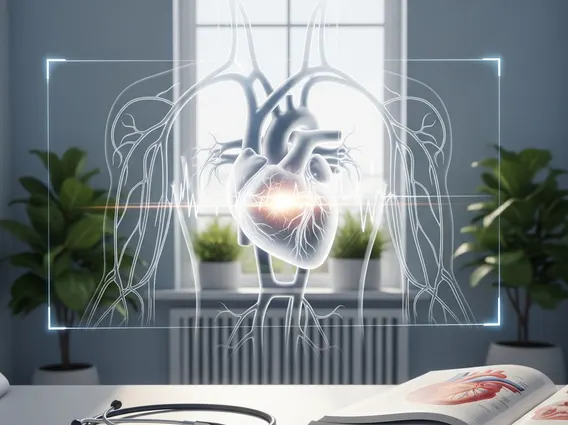
Key Takeaways
- The Circulatory System is responsible for transporting blood, oxygen, nutrients, hormones, and waste products throughout the body.
- It comprises the heart, blood vessels (arteries, veins, capillaries), and blood, working together to maintain life.
- Blood circulation occurs in two main loops: pulmonary circulation (to and from the lungs) and systemic circulation (to and from the rest of the body).
- The heart acts as a powerful pump, propelling blood through a vast network of vessels.
- Understanding this system is fundamental to comprehending overall human health and bodily functions.
What is the Circulatory System?
The Circulatory System, also known as the cardiovascular system, is a complex biological network responsible for the transportation of substances throughout the body. It is a closed-loop system, meaning that the blood never leaves the network of blood vessels. Its primary role is to deliver oxygen and nutrients to tissues and organs, carry hormones, and remove carbon dioxide and other metabolic waste products from the body. This continuous flow is critical for maintaining homeostasis and supporting all bodily functions, making it a fundamental aspect of human physiology for anyone learning about the body.
This vital system ensures that every cell, from the tips of your toes to the top of your head, receives the necessary resources to survive and thrive. Without a functioning circulatory system, cells would quickly starve of oxygen and nutrients, and become poisoned by their own waste products. According to the World Health Organization (WHO), cardiovascular diseases, which often stem from issues within this system, are the leading cause of death globally, underscoring its critical importance to health.
How the Circulatory System Works
The operation of the circulatory system is a marvel of biological engineering, centered around the rhythmic pumping action of the heart. Blood, the life-sustaining fluid, is propelled from the heart through a vast network of blood vessels. This process involves two main circuits: pulmonary circulation and systemic circulation.
- Pulmonary Circulation: Deoxygenated blood from the body enters the right side of the heart, which then pumps it to the lungs. In the lungs, carbon dioxide is released, and oxygen is picked up by the blood.
- Systemic Circulation: Oxygenated blood returns to the left side of the heart and is then pumped out to the rest of the body. Here, oxygen and nutrients are delivered to cells, and waste products like carbon dioxide are collected.
This continuous cycle ensures a constant supply of fresh, oxygenated blood to all tissues, while simultaneously removing harmful waste. The intricate coordination between the heart and blood vessels allows for precise regulation of blood flow, adapting to the body’s changing demands, such as during exercise or rest.
Key Parts of the Human Circulatory System
The human circulatory system is composed of three primary components that work in unison to perform its vital functions:
The heart is a muscular organ, roughly the size of a clenched fist, located slightly to the left of the center of the chest. It acts as the central pump of the system, contracting rhythmically to propel blood throughout the body. The heart is divided into four chambers: two atria (upper chambers) that receive blood and two ventricles (lower chambers) that pump blood out.
Blood vessels are the intricate network of tubes through which blood flows. There are three main types:
| Type of Vessel | Function | Direction of Blood Flow |
|---|---|---|
| Arteries | Carry oxygenated blood away from the heart to the body’s tissues. | Away from the heart |
| Veins | Carry deoxygenated blood back to the heart from the body’s tissues. | Towards the heart |
| Capillaries | Tiny vessels where the exchange of oxygen, nutrients, and waste products occurs between blood and tissues. | Connect arteries and veins |
Blood is the fluid connective tissue that circulates throughout the body. It is composed of plasma, red blood cells (which carry oxygen), white blood cells (which fight infection), and platelets (which aid in clotting). Blood’s role extends beyond transport; it also helps regulate body temperature, maintain pH balance, and protect against disease. These components collectively ensure the efficient and continuous operation of the entire circulatory system, providing essential circulatory system facts for students and anyone interested in human biology.



















