Calcification
Calcification refers to the accumulation of calcium salts in body tissues, which can harden and disrupt normal physiological function. While calcium is essential for bone health and many bodily processes, its inappropriate deposition in soft tissues or organs can lead to various medical conditions.
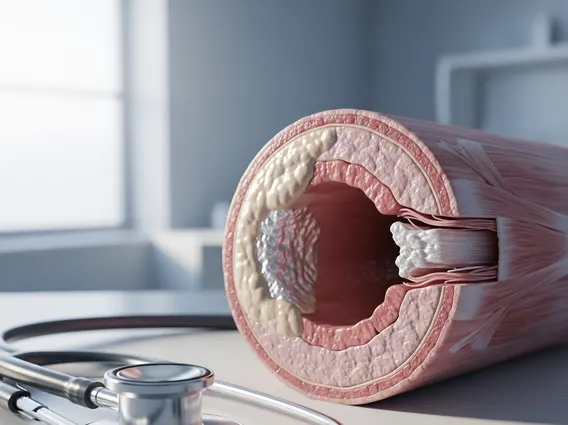
Key Takeaways
- Calcification involves the abnormal buildup of calcium salts in soft tissues or organs, distinct from healthy bone formation.
- Common causes include chronic inflammation, tissue injury, metabolic imbalances, and aging.
- Symptoms vary widely depending on the affected body part, ranging from pain and stiffness to organ dysfunction.
- Early detection and management of underlying conditions are crucial for preventing progression.
- Prevention strategies often involve lifestyle adjustments and medical management of risk factors.
What is Calcification?
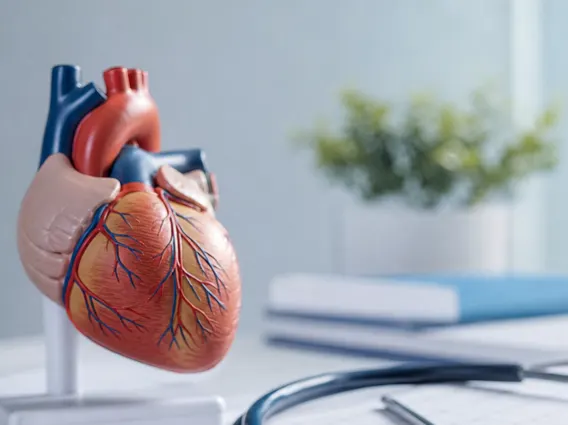
Calcification is a physiological or pathological process in which calcium salts, along with smaller amounts of other mineral salts, accumulate in soft tissues. This process can occur in various parts of the body, including arteries, joints, kidneys, and other organs, leading to hardening and impaired function. While healthy bones and teeth are naturally calcified, abnormal calcification can signify an underlying health issue. For instance, vascular calcification, the buildup of calcium in the arteries, is a significant risk factor for cardiovascular diseases. According to the Centers for Disease Control and Prevention (CDC), cardiovascular diseases remain a leading cause of death globally, often exacerbated by arterial calcification.
Causes and Symptoms of Calcification
The causes of calcification are diverse, often stemming from a combination of factors. Chronic inflammation, tissue injury, and metabolic disorders are common contributors. For example, atherosclerosis, a condition where plaque builds up inside arteries, frequently involves calcification as part of the inflammatory response. Other causes include kidney disease, which can lead to imbalances in calcium and phosphate levels, and certain genetic conditions. Aging is also a significant risk factor, as the body’s ability to regulate calcium can diminish over time.
The symptoms of calcification depend heavily on its location and severity. In some cases, calcification may be asymptomatic and only discovered incidentally during imaging tests. However, when symptoms do occur, they can significantly impact quality of life. Common symptoms of calcification include:
- Pain and Stiffness: Especially in joints or tendons, such as rotator cuff calcific tendinitis, which can cause severe shoulder pain and limited movement.
- Organ Dysfunction: Calcification in organs like the kidneys can lead to kidney stones or impaired kidney function. In the heart valves, it can cause stenosis, affecting blood flow.
- Lumps or Bumps: Palpable calcified masses can sometimes be felt under the skin, though these are often benign.
- Reduced Mobility: Calcification around joints can restrict movement and cause discomfort during physical activity.
- Cardiovascular Issues: Arterial calcification can contribute to high blood pressure, angina, and an increased risk of heart attack or stroke.
Preventing Calcification
Preventing calcification often involves managing underlying health conditions and adopting a healthy lifestyle. While not all forms of calcification are preventable, particularly those related to genetic factors or severe trauma, several strategies can reduce the risk. How to prevent calcification typically focuses on maintaining balanced calcium and phosphate levels, reducing inflammation, and promoting overall cardiovascular health.
Key preventive measures include:
- Dietary Management: Ensuring adequate intake of Vitamin K2, which plays a role in directing calcium to bones and away from soft tissues, and maintaining a balanced intake of calcium and Vitamin D.
- Hydration: Drinking sufficient water can help prevent kidney stones, a common form of calcification.
- Managing Chronic Diseases: Effectively controlling conditions like diabetes, chronic kidney disease, and hyperparathyroidism can significantly lower the risk of pathological calcification.
- Regular Exercise: Physical activity supports cardiovascular health and can help manage weight, reducing inflammatory processes.
- Avoiding Smoking: Smoking is a known risk factor for arterial calcification and should be avoided.
Regular medical check-ups and discussions with healthcare providers are essential for assessing individual risk factors and developing a personalized prevention plan, especially for individuals with pre-existing conditions.