BRCA2 Gene
The BRCA2 Gene plays a critical role in human health, primarily known for its involvement in DNA repair and its significant implications for cancer risk. Understanding this gene is essential for individuals and families affected by hereditary cancer syndromes.
Key Takeaways
- The BRCA2 Gene is a tumor suppressor gene vital for repairing damaged DNA and maintaining genomic stability.
- Its normal function involves homologous recombination, a precise method of DNA double-strand break repair.
- Mutations in the BRCA2 Gene impair DNA repair mechanisms, leading to an accumulation of genetic errors.
- These mutations significantly increase the lifetime risk of developing several cancers, including breast, ovarian, prostate, and pancreatic cancers.
- Genetic testing can identify BRCA2 mutations, informing personalized risk management and screening strategies.
What is the BRCA2 Gene and Its Normal Function?
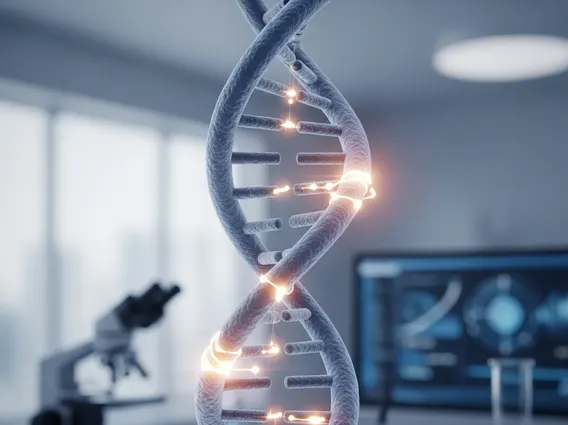
The BRCA2 Gene is a human gene located on chromosome 13. It is a crucial component of the body’s DNA repair system, functioning as a tumor suppressor gene. The primary role of the BRCA2 gene explained is to produce the BRCA2 protein, which is integral to repairing damaged DNA, particularly double-strand breaks. This repair mechanism is vital for maintaining the integrity of the genome and preventing uncontrolled cell growth.
The BRCA2 gene normal function involves a process called homologous recombination. This highly accurate repair pathway uses a template to fix breaks in both strands of the DNA helix, ensuring that genetic information is faithfully restored. By facilitating this precise repair, the BRCA2 protein helps prevent mutations from accumulating in other genes, which could otherwise lead to cellular dysfunction and potentially cancer. Its continuous activity is essential for healthy cell division and overall genomic stability.
BRCA2 Gene Mutations: Effects and Cancer Risk
When a mutation occurs in the BRCA2 Gene, its ability to produce a functional protein is compromised, leading to impaired DNA repair. These BRCA2 gene mutation effects mean that cells are less able to fix DNA damage, allowing errors to accumulate over time. Such genetic errors can affect other genes that control cell growth and division, increasing the likelihood of cells becoming cancerous. The impact of these mutations is significant, as they are often inherited, meaning individuals are born with a predisposition to certain cancers.
The presence of an inherited BRCA2 mutation substantially elevates the BRCA2 gene and cancer risk. Individuals with these mutations face a higher lifetime risk for several types of cancer. For instance, women with a BRCA2 mutation have up to a 45-85% lifetime risk of developing breast cancer and up to a 10-20% risk of ovarian cancer, compared to the general population (Source: National Cancer Institute). Men with BRCA2 mutations also have an increased risk of breast cancer, prostate cancer, and pancreatic cancer. Additionally, both men and women with these mutations have a higher risk of melanoma.
Here are some cancers strongly associated with inherited BRCA2 mutations:
- Breast cancer (in both women and men)
- Ovarian cancer
- Prostate cancer (often more aggressive forms)
- Pancreatic cancer
- Melanoma
Genetic testing can identify these mutations, allowing individuals and their healthcare providers to implement personalized screening and risk reduction strategies. These may include more frequent surveillance, prophylactic surgeries, or chemoprevention to manage the elevated cancer risk.