Irreversible Toxicity
Irreversible Toxicity refers to the permanent and often severe damage inflicted upon biological systems, tissues, or organs by toxic substances, where the affected structures cannot recover their normal function even after exposure ceases. This condition represents a critical concern in medicine, particularly in toxicology and oncology, due to its profound and lasting impact on patient health.
Key Takeaways
- Irreversible Toxicity involves permanent organ or tissue damage from toxic exposure, preventing recovery.
- Causes range from environmental pollutants and industrial chemicals to certain medications and heavy metals.
- Affected organs often include the liver, kidneys, nervous system, and cardiovascular system.
- Long-term effects can lead to chronic diseases, disability, and significantly reduced quality of life.
- Understanding and preventing toxic exposure is crucial for mitigating these severe and lasting health consequences.
What is Irreversible Toxicity?
Irreversible Toxicity is a medical term describing the detrimental effects of a toxic agent that result in permanent structural or functional damage to an organism, tissue, or cell. Unlike reversible toxicity, where the body can repair itself or recover function once the toxic agent is removed, irreversible toxicity implies that the damage is enduring and cannot be undone. This permanence often stems from severe cellular injury, necrosis (cell death), or fibrotic changes that lead to a loss of tissue integrity and function. The impact can range from localized tissue damage to systemic organ failure, profoundly affecting an individual’s health and quality of life.
The mechanisms underlying irreversible damage are diverse, often involving direct chemical interaction with biomolecules, oxidative stress, DNA damage, or disruption of critical cellular pathways. Once these pathways are sufficiently compromised, the body’s regenerative capacity is overwhelmed, leading to lasting impairment. Recognizing the signs and understanding the potential for irreversible damage is crucial in clinical settings for prevention, early intervention, and long-term patient management.
Causes of Irreversible Organ Damage
The causes of irreversible organ damage are varied, encompassing a wide range of toxic agents and exposure scenarios. These agents can originate from environmental sources, occupational hazards, pharmaceutical drugs, or even biological toxins. The susceptibility to damage often depends on the dose, duration of exposure, individual genetic factors, and the specific organ’s metabolic capacity to detoxify or repair itself. Organs with high metabolic rates or those directly involved in detoxification, such as the liver and kidneys, are particularly vulnerable.
Common categories of toxic agents leading to irreversible damage include:
- Heavy Metals: Lead, mercury, cadmium, and arsenic can accumulate in tissues, causing neurological, renal, and hepatic damage.
- Industrial Chemicals: Solvents (e.g., carbon tetrachloride), pesticides, and certain plastics can induce fibrosis, carcinogenesis, or neurotoxicity.
- Pharmaceuticals: Some chemotherapy drugs, high doses of acetaminophen, or long-term use of certain anti-inflammatory drugs can cause liver or kidney failure.
- Environmental Pollutants: Persistent organic pollutants (POPs) and air pollutants can contribute to respiratory and cardiovascular diseases, as well as neurological impairments over time.
- Alcohol and Illicit Drugs: Chronic abuse can lead to severe liver damage (cirrhosis), pancreatitis, and neurological degeneration.
The specific mechanism often involves the formation of reactive metabolites, depletion of protective antioxidants, or direct binding to cellular components, disrupting normal physiological processes and initiating pathways of irreversible injury.
Long-Term Effects and Examples of Toxic Exposure
The long-term effects of toxic exposure leading to irreversible damage can manifest as chronic diseases, permanent disabilities, and a significant reduction in life expectancy and quality of life. These effects often require lifelong medical management, including supportive care, medication, and in some cases, organ transplantation. The insidious nature of some toxic exposures means that symptoms may not appear until significant damage has already occurred, making early detection challenging.
There are numerous examples of irreversible toxic effects impacting various organ systems:
- Liver: Chronic alcohol abuse or exposure to certain industrial chemicals (e.g., vinyl chloride) can lead to liver cirrhosis, characterized by irreversible scarring and loss of liver function, potentially requiring a liver transplant.
- Kidneys: Prolonged exposure to heavy metals like lead or cadmium, or certain medications, can result in chronic kidney disease, progressing to end-stage renal failure and necessitating dialysis or kidney transplantation.
- Nervous System: Mercury poisoning can cause permanent neurological damage, leading to tremors, cognitive impairment, and sensory disturbances. Lead exposure in children can result in irreversible developmental delays and behavioral problems.
- Lungs: Inhalation of asbestos fibers can cause asbestosis, a progressive and irreversible lung fibrosis, increasing the risk of lung cancer and mesothelioma.
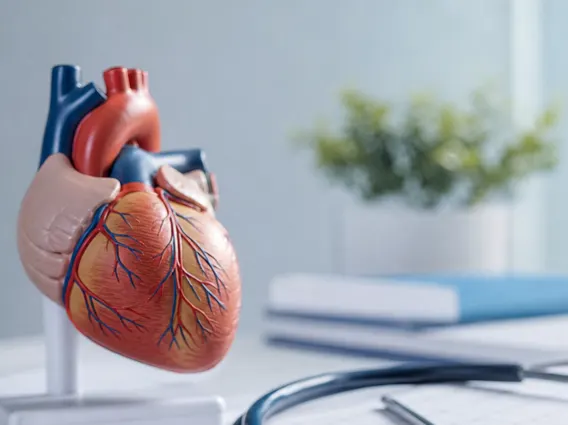
- Cardiovascular System: Chronic exposure to certain air pollutants or heavy metals can contribute to irreversible damage to the heart and blood vessels, leading to chronic heart disease or hypertension.
These examples underscore the critical importance of preventing toxic exposures through public health initiatives, occupational safety regulations, and careful medication management to safeguard long-term health outcomes.