
Irradiation
Irradiation, in a medical and clinical context, refers to the controlled application of radiation for therapeutic or sterilization purposes. This process leverages various forms of energy to achieve specific biological outcomes, playing a crucial role in modern healthcare and public safety.
Key Takeaways
- Irradiation uses controlled radiation to sterilize medical equipment, treat certain cancers, and enhance food safety.
- The process involves exposing materials to ionizing radiation, which disrupts cellular structures of microorganisms or cancer cells.
- Applications range from sterilizing medical devices and pharmaceuticals to preserving food and treating specific medical conditions.
- Food irradiation is a safe and regulated process, endorsed by major health organizations for reducing foodborne illnesses.
- Regulatory bodies like the FDA and WHO ensure the safety and efficacy of irradiation technologies across various sectors.
What is Irradiation and How It Works
Irradiation refers to the process of exposing an object to radiation. In a medical and clinical context, this typically involves using ionizing radiation—such as gamma rays, X-rays, or electron beams—to achieve specific therapeutic or sterilization effects. This technology is distinct from radioactive contamination, as the treated material does not become radioactive itself. The primary goal is to target and disrupt the cellular structures of microorganisms or malignant cells without significantly altering the treated material.
The mechanism of how irradiation works involves the transfer of energy from the radiation source to the atoms and molecules within the target material. When ionizing radiation passes through a substance, it creates ions and free radicals. These highly reactive chemical species can damage critical components of living cells, particularly DNA. In microorganisms, this damage prevents them from reproducing, effectively sterilizing the product. In cancer treatment, it targets and destroys rapidly dividing cancer cells, inhibiting tumor growth. The effectiveness depends on the type and dose of radiation, as well as the sensitivity of the target cells or organisms.
Applications of Irradiation Technology
The uses of irradiation technology are diverse and span several critical sectors, primarily healthcare, pharmaceuticals, and food safety. In the medical field, it is indispensable for sterilizing a wide range of medical devices, from surgical instruments to implants and disposable supplies. This ensures patient safety by eliminating bacteria, viruses, and other pathogens that could cause infections. For instance, the International Atomic Energy Agency (IAEA) reports that over 50% of single-use medical products worldwide are sterilized using radiation.
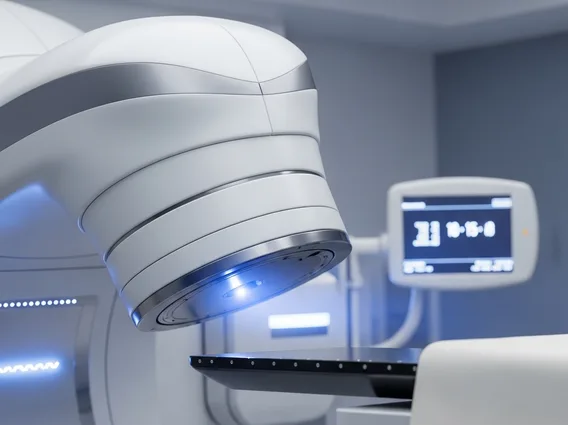
Beyond sterilization, irradiation is a cornerstone of cancer therapy, known as radiation therapy. It precisely targets cancerous tumors with high-energy radiation to destroy cancer cells and shrink tumors, often used in conjunction with chemotherapy or surgery. In the pharmaceutical industry, irradiation sterilizes drugs, vaccines, and packaging materials, ensuring product integrity and safety. For food products, irradiation extends shelf life and improves safety by reducing or eliminating harmful bacteria, parasites, and insects. This helps prevent foodborne illnesses and spoilage, contributing significantly to global food security.
- Medical Device Sterilization: Ensuring instruments, implants, and disposables are free from pathogens.
- Cancer Treatment (Radiation Therapy): Targeting and destroying malignant cells to treat various cancers.
- Pharmaceutical Sterilization: Sterilizing drugs, vaccines, and packaging to maintain product safety and efficacy.
- Food Preservation: Reducing spoilage organisms and harmful bacteria like Salmonella and E. coli in food.
- Pest Control: Eliminating insects and other pests from agricultural products to prevent spread and damage.
Safety and Regulation of Food Irradiation
A common concern revolves around the question, is food irradiation safe? Decades of research and extensive studies by leading international health and food safety organizations have consistently affirmed its safety and nutritional wholesomeness. Agencies such as the World Health Organization (WHO), the Food and Drug Administration (FDA) in the United States, and the European Food Safety Authority (EFSA) have evaluated food irradiation and found it to be a safe and effective method for improving food safety. The process does not make food radioactive, nor does it significantly alter the nutritional value or taste of most foods.
Regulatory bodies worldwide implement strict guidelines to control the types of food that can be irradiated, the maximum permissible radiation doses, and labeling requirements. For example, the FDA regulates sources of radiation used on food and requires irradiated foods to carry the international symbol, the “radura,” along with a statement indicating that the food has been treated by irradiation. These regulations ensure that the benefits of reduced foodborne pathogens and extended shelf life are achieved without compromising consumer health or food quality. The Centers for Disease Control and Prevention (CDC) supports food irradiation as a means to reduce the incidence of foodborne diseases, highlighting its role in public health protection.



















