Intrahepatic Bile Duct Cancer
Intrahepatic bile duct cancer, also known as intrahepatic cholangiocarcinoma, is a rare but aggressive form of cancer that originates in the bile ducts within the liver. Understanding this complex disease is crucial for early detection and effective management.
Key Takeaways
- Intrahepatic Bile Duct Cancer is a rare and aggressive cancer originating in the bile ducts inside the liver.
- Symptoms often appear late and can include jaundice, abdominal pain, unexplained weight loss, and fatigue.
- Risk factors include chronic inflammation of the bile ducts, certain liver diseases, and parasitic infections.
- Diagnosis typically involves imaging, blood tests, and biopsy to confirm the presence of cancer.
- Treatment options vary based on the stage and may include surgery, chemotherapy, radiation, and targeted therapies.
What is Intrahepatic Bile Duct Cancer?
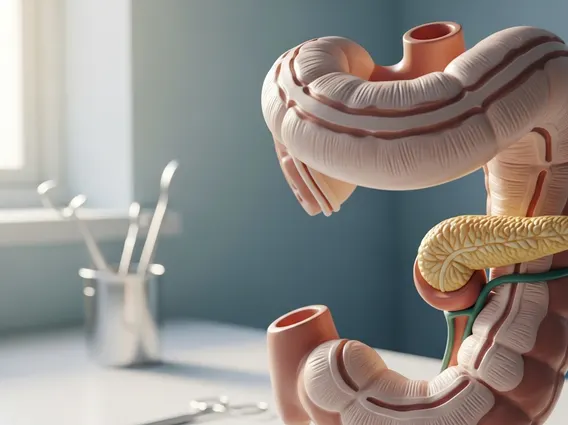
Intrahepatic bile duct cancer, medically referred to as intrahepatic cholangiocarcinoma, is a malignancy that forms in the small tubes (bile ducts) inside the liver. These ducts are responsible for transporting bile, a digestive fluid, from the liver to the gallbladder and small intestine. This type of cancer is distinct from extrahepatic bile duct cancer, which affects ducts outside the liver, and hepatocellular carcinoma, which originates in the main liver cells.
Globally, cholangiocarcinoma, including the intrahepatic type, is considered rare, but its incidence has been rising in some regions. According to the American Cancer Society, cholangiocarcinoma accounts for approximately 3% of all gastrointestinal cancers. The disease often presents at an advanced stage, making early diagnosis challenging and impacting prognosis.
Symptoms and Causes of Intrahepatic Bile Duct Cancer
The symptoms of intrahepatic bile duct cancer often do not appear in the early stages, making it difficult to diagnose until the disease has progressed. When symptoms do manifest, they are typically non-specific and can be indicative of various other conditions. Common signs include:
- Jaundice (yellowing of the skin and eyes) due to bile duct obstruction.
- Abdominal pain, often in the upper right quadrant.
- Unexplained weight loss and loss of appetite.
- Fatigue and general weakness.
- Dark urine and pale stools.
- Itching (pruritus) caused by bile salt buildup under the skin.
- Fever, if an infection develops due to bile duct obstruction.
The exact causes of intrahepatic bile duct cancer are not fully understood, but several risk factors have been identified that increase an individual’s likelihood of developing the disease. These factors often involve chronic inflammation or damage to the bile ducts or liver. Key risk factors include:
- Primary sclerosing cholangitis (PSC), a chronic inflammatory disease of the bile ducts.
- Chronic liver diseases such as cirrhosis, particularly from hepatitis B or C infection.
- Liver fluke infections (e.g., Opisthorchis viverrini or Clonorchis sinensis), which are common in certain parts of Asia.
- Exposure to certain toxins or chemicals.
- Genetic predispositions or inherited conditions, though these are less common.
- Obesity and diabetes have also been linked to an increased risk.
It is important to note that having one or more risk factors does not guarantee the development of intrahepatic bile duct cancer, and many individuals with the disease have no identifiable risk factors.
Treatment Options for Intrahepatic Bile Duct Cancer
The approach to intrahepatic bile duct cancer treatment is highly individualized, depending on the stage of the cancer, its location, the patient’s overall health, and whether the cancer has spread. A multidisciplinary team of specialists typically collaborates to determine the most effective strategy. Treatment modalities can include:
Surgical Resection: For early-stage cancers that are localized and have not spread, surgical removal of the tumor (resection) is often the primary and potentially curative treatment. This may involve removing a portion of the liver or, in some cases, a liver transplant, though the latter is less common for intrahepatic cholangiocarcinoma.
Chemotherapy: Chemotherapy uses drugs to kill cancer cells or slow their growth. It can be administered before surgery (neoadjuvant) to shrink the tumor, after surgery (adjuvant) to eliminate remaining cancer cells, or as a primary treatment for advanced or metastatic disease to manage symptoms and improve quality of life.
Radiation Therapy: Radiation therapy uses high-energy rays to destroy cancer cells. It can be used to shrink tumors before surgery, kill remaining cancer cells after surgery, or relieve symptoms such as pain in advanced cases. Techniques like external beam radiation therapy (EBRT) or stereotactic body radiation therapy (SBRT) may be employed.
Targeted Therapy and Immunotherapy: These newer treatments focus on specific molecular targets within cancer cells or boost the body’s immune system to fight cancer. They are often considered for patients with advanced disease, especially if genetic testing reveals specific mutations that can be targeted. Clinical trials are continuously exploring new targeted agents and immunotherapies for intrahepatic bile duct cancer.
Palliative care is also a crucial aspect of treatment, focusing on managing symptoms and improving the patient’s quality of life, regardless of the cancer stage. This can include pain management, nutritional support, and procedures to relieve bile duct obstruction.
Please note: Information on alternative or complementary therapies is for supportive purposes only and should never replace conventional medical treatment. Always consult with a qualified healthcare professional regarding any medical conditions or treatment decisions.