Intraductal Breast Papilloma
Intraductal Breast Papilloma is a common, non-cancerous growth that develops within the milk ducts of the breast. Understanding this condition is crucial for individuals experiencing related symptoms, as it often presents with nipple discharge.
Key Takeaways
- Intraductal Breast Papilloma is a benign (non-cancerous) growth in the breast’s milk ducts.
- The most common symptom is nipple discharge, which can be clear, milky, or bloody.
- Diagnosis typically involves imaging tests like mammograms and ultrasounds, often confirmed by biopsy.
- Solitary papillomas usually do not increase breast cancer risk, while multiple papillomas or those with atypical cells may warrant closer monitoring.
- Treatment often involves surgical removal, especially for symptomatic cases or those with concerning features.
What is Intraductal Breast Papilloma?
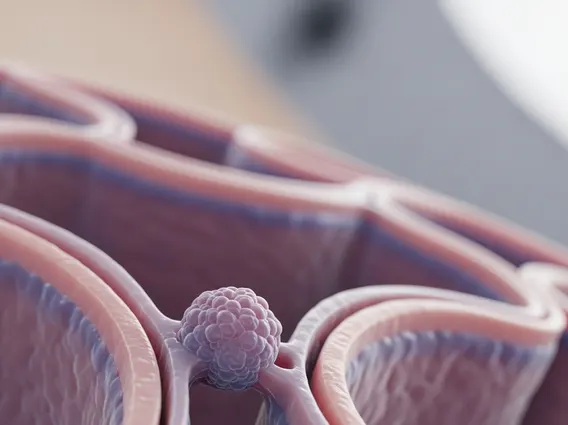
Intraductal Breast Papilloma refers to a small, wart-like growth that forms inside one of the milk ducts in the breast. These growths are typically benign, meaning they are not cancerous. They are composed of glandular tissue, fibrous tissue, and blood vessels. Papillomas can occur as a single growth (solitary papilloma), often located in a large milk duct near the nipple, or as multiple growths (papillomatosis), which tend to be smaller and found in the ducts further away from the nipple.
While generally harmless, their presence can sometimes lead to symptoms that require medical evaluation. They are a relatively common finding, particularly in women between the ages of 35 and 55, and are among the most frequent causes of pathological nipple discharge.
Symptoms and Causes of Intraductal Papilloma
The most common clinical presentation for intraductal papilloma symptoms causes is nipple discharge. This discharge can vary in appearance, ranging from clear or milky to yellow, green, or even bloody. The discharge is often spontaneous and may occur from a single duct. Less commonly, a palpable lump might be felt, especially if the papilloma is large or located in a peripheral duct. Breast pain is a rare symptom associated with these growths.
The exact causes of intraductal papillomas are not fully understood, but they are believed to arise from an overgrowth of cells lining the milk ducts. While specific risk factors are not definitively established, hormonal influences and age (typically middle-aged women) are thought to play a role. They are not linked to lifestyle choices or environmental factors in the same way some other breast conditions are.
Common symptoms include:
- Spontaneous nipple discharge (clear, bloody, or other colors)
- A small, palpable lump near the nipple (less frequent)
- Occasional breast discomfort or tenderness
Diagnosis, Treatment, and Cancer Risk of Breast Papilloma
The diagnosis of breast papilloma diagnosis treatment typically begins with a clinical breast examination and a detailed medical history. Imaging studies are crucial, including mammography and ultrasound, which can help identify the location and characteristics of the growth. A ductogram (galactography), where dye is injected into the milk duct, may be performed to visualize the ductal system and pinpoint the papilloma. Ultimately, a biopsy, either a core needle biopsy or an excisional biopsy (surgical removal), is often necessary to confirm the diagnosis and rule out malignancy.
Regarding treatment, surgical excision is the most common approach, especially for symptomatic papillomas or those with atypical features identified during biopsy. This procedure involves removing the affected milk duct and the papilloma. For asymptomatic papillomas that are confirmed benign and do not show atypical cells, a “watch and wait” approach with regular monitoring might be considered, though surgical removal is often recommended to alleviate symptoms and provide definitive diagnosis.
Many patients wonder, “is intraductal papilloma cancerous?” Solitary intraductal papillomas are benign and generally do not increase the risk of breast cancer. However, certain types of papillomas, such as multiple papillomas (papillomatosis) or those found to contain atypical hyperplasia (abnormal but not yet cancerous cells) on biopsy, may be associated with a slightly elevated risk of future breast cancer. In such cases, close follow-up and discussion with a breast specialist are essential to determine the appropriate management plan. According to the American Cancer Society, while most papillomas are benign, a small percentage can be associated with an increased risk, particularly if atypical cells are present.