Intraductal Breast Carcinoma
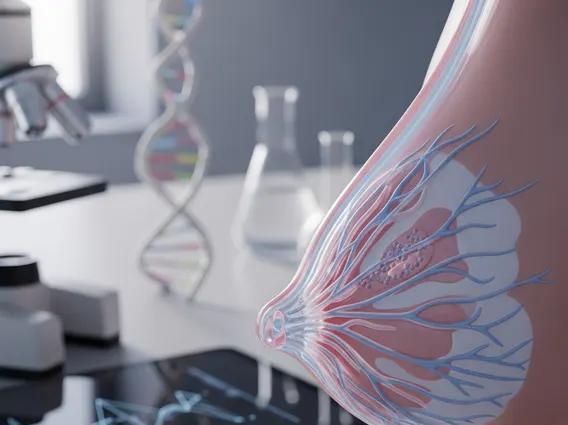
Intraductal Breast Carcinoma, also known as Ductal Carcinoma In Situ (DCIS), represents a non-invasive form of breast cancer where abnormal cells are confined to the milk ducts and have not spread into the surrounding breast tissue.
Key Takeaways
- Intraductal Breast Carcinoma (DCIS) is a non-invasive breast condition where abnormal cells are contained within the milk ducts.
- It is often asymptomatic and typically detected through routine mammography, appearing as microcalcifications.
- Diagnosis involves imaging followed by a biopsy to confirm the presence and characteristics of the abnormal cells.
- Treatment primarily focuses on removing the abnormal cells and preventing recurrence, often involving surgery, with or without radiation and hormone therapy.
- While considered an early-stage condition, timely and appropriate treatment is crucial to prevent potential progression.
What is Intraductal Breast Carcinoma?
Intraductal Breast Carcinoma refers to a condition where abnormal cells are found inside a milk duct in the breast but have not spread to the surrounding breast tissue or beyond. This makes it a non-invasive or pre-invasive form of breast cancer. It is most commonly known as Ductal Carcinoma In Situ (DCIS). While the cells are abnormal and have the potential to become invasive if left untreated, at this stage, they are entirely contained within the ductal system.
DCIS is considered the earliest form of breast cancer and accounts for approximately 20-25% of all newly diagnosed breast cancers in the United States, largely due to increased mammographic screening (Source: American Cancer Society). The presence of these abnormal cells indicates an increased risk for developing invasive breast cancer in the future, either in the same breast or the opposite breast, which is why treatment is recommended.
Symptoms and Diagnosis of Intraductal Breast Carcinoma
One of the defining characteristics of intraductal breast carcinoma symptoms is their frequent absence. Most individuals with DCIS do not experience any noticeable symptoms such as a lump or nipple discharge. Instead, it is typically discovered incidentally during a routine screening mammogram, where it often appears as tiny specks of calcium, known as microcalcifications.
The process of intraductal breast carcinoma diagnosis usually begins with these abnormal findings on a mammogram. If suspicious microcalcifications are identified, further imaging, such as a diagnostic mammogram or ultrasound, may be performed. If the findings remain concerning, a biopsy is necessary to confirm the diagnosis. Common biopsy methods include:
- Stereotactic Core Needle Biopsy: Uses mammography to guide a needle to the suspicious area to remove small tissue samples.
- Vacuum-Assisted Biopsy: Similar to core needle biopsy but uses a vacuum to collect more tissue samples through a single incision.
- Excisional Biopsy (Surgical Biopsy): In some cases, the entire suspicious area, along with a margin of healthy tissue, is surgically removed for examination.
A pathologist then examines the tissue samples under a microscope to determine if DCIS is present, its grade (how abnormal the cells look), and whether hormone receptors are present, which helps guide treatment decisions.
Treatment Options for Intraductal Breast Carcinoma
The primary goal of intraductal breast carcinoma treatment is to remove the abnormal cells and reduce the risk of developing invasive breast cancer in the future. Treatment plans are highly individualized, taking into account factors such as the size and grade of the DCIS, the presence of hormone receptors, the patient’s overall health, and personal preferences.
The most common treatment approaches include:
Surgery:
- Lumpectomy (Breast-Conserving Surgery): This involves removing the DCIS and a small margin of healthy breast tissue around it, while preserving most of the breast. It is often followed by radiation therapy.
- Mastectomy: In some cases, especially for large areas of DCIS, high-grade DCIS, or if clear margins cannot be achieved with lumpectomy, a mastectomy (removal of the entire breast) may be recommended.
Radiation Therapy:
Following a lumpectomy, radiation therapy is often recommended to destroy any remaining abnormal cells and reduce the risk of recurrence in the treated breast. It typically involves daily treatments over several weeks.
Hormone Therapy:
If the DCIS cells are found to be hormone receptor-positive (meaning they grow in response to estrogen or progesterone), hormone therapy, such as tamoxifen or aromatase inhibitors, may be prescribed. This treatment aims to block the effects of hormones on breast cells, thereby reducing the risk of DCIS recurrence or the development of new breast cancer in either breast. Hormone therapy is usually taken for several years.
It is important for patients to discuss all available options with their healthcare team to make an informed decision about the most appropriate treatment plan for their specific situation. This information is for supportive purposes only and does not replace professional medical advice or treatment.