Infiltrating Cancer
Infiltrating Cancer describes a critical stage in tumor progression where malignant cells invade surrounding healthy tissues. Understanding this process is fundamental to diagnosing and treating aggressive forms of cancer.
Key Takeaways
- Infiltrating Cancer involves malignant cells spreading into adjacent healthy tissues.
- It differs from non-invasive cancers by its ability to break through tissue barriers.
- Mechanisms of infiltration include cell detachment, degradation of the extracellular matrix, increased cell motility, and angiogenesis.
- Symptoms vary widely depending on the tumor’s location and the extent of infiltration.
- Early detection and understanding the specific type of infiltration are crucial for effective treatment.
What is Infiltrating Cancer?
Infiltrating Cancer refers to a malignant tumor’s ability to invade and spread into surrounding healthy tissues, rather than remaining confined to its original site. This invasive characteristic is a defining feature of aggressive cancers and distinguishes them from benign tumors or pre-invasive conditions like carcinoma in situ.
The process of infiltration is crucial for cancer progression, as it allows tumor cells to access blood vessels and lymphatic channels, facilitating metastasis to distant organs. The extent of infiltration often correlates with the stage of cancer and plays a significant role in determining treatment strategies and patient prognosis.
Mechanisms of Cancer Tissue Infiltration
The process of how cancer infiltrates tissues is complex, involving a series of coordinated cellular and molecular events. Malignant cells acquire specific capabilities that enable them to breach tissue barriers and navigate through the extracellular matrix (ECM).
Key mechanisms involved in tissue infiltration include:
- Loss of Cell Adhesion: Cancer cells reduce their expression of adhesion molecules, allowing them to detach from the primary tumor mass.
- Degradation of Extracellular Matrix: They secrete enzymes, such as matrix metalloproteinases (MMPs), which break down the ECM, creating pathways for invasion.
- Increased Cell Motility: Malignant cells develop enhanced migratory capabilities, enabling them to move through the degraded ECM.
- Angiogenesis: Tumors induce the formation of new blood vessels, providing nutrients and oxygen for growth, and creating routes for systemic spread.
This intricate interplay allows cancer cells to establish secondary tumors, a process known as metastasis, which is responsible for the majority of cancer-related deaths globally. According to the World Health Organization (WHO), cancer is a leading cause of death worldwide, accounting for nearly 10 million deaths in 2020, with metastatic disease being a major contributor.
Types and Clinical Manifestations
The presentation of Infiltrating Cancer varies widely, depending on the primary tumor’s origin, the specific tissues being invaded, and the extent of spread. Clinicians often classify cancers by their infiltrative patterns, which can influence treatment decisions.
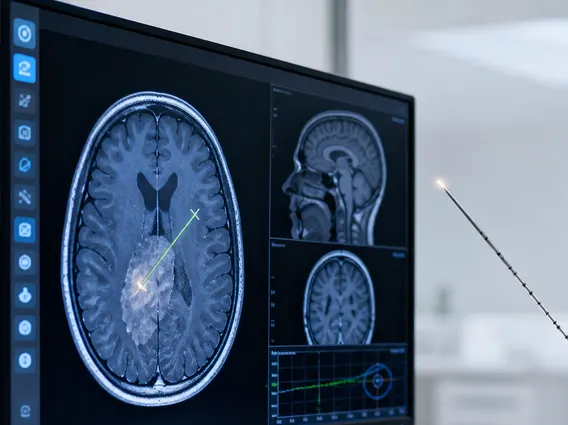
There are numerous types of infiltrating cancer, categorized by their histological appearance and growth patterns. For instance, invasive ductal carcinoma is the most common type of breast cancer, characterized by its ability to infiltrate surrounding breast tissue. Similarly, glioblastoma multiforme is an aggressive brain tumor known for its highly infiltrative nature, making complete surgical removal challenging.
The infiltrating cancer symptoms are diverse and often non-specific in early stages, making early diagnosis challenging. Symptoms typically arise from the disruption of normal tissue function or compression of adjacent structures due to the invading tumor. Common manifestations can include:
- Pain: Localized pain can occur as the tumor invades nerves or puts pressure on surrounding tissues.
- Swelling or Lumps: Palpable masses or unexplained swelling may indicate an underlying infiltrative process.
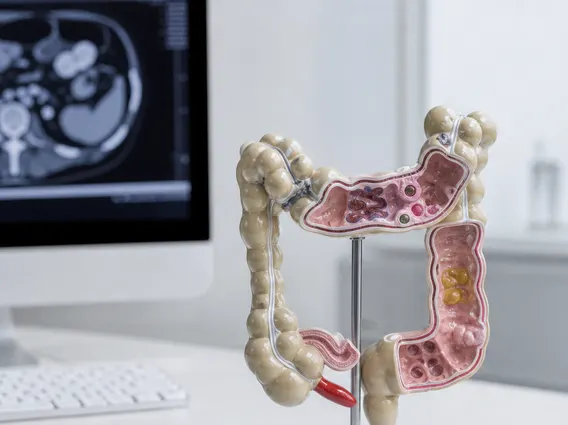
- Functional Impairment: Depending on the affected organ, symptoms might include difficulty breathing (lung infiltration), digestive issues (gastrointestinal infiltration), or neurological deficits (brain infiltration).
- Bleeding: Invasion of blood vessels can lead to internal or external bleeding, such as blood in urine or stool.
- Unexplained Weight Loss and Fatigue: Systemic symptoms often accompany advanced Infiltrating Cancers.
Early detection of Infiltrating Cancer is critical for improving patient outcomes. Diagnostic tools such as imaging (MRI, CT scans), biopsies, and molecular profiling are essential for identifying the presence and extent of infiltration, guiding targeted therapies.