
Industrial Hemp
Industrial Hemp refers to specific varieties of the Cannabis sativa plant cultivated for industrial and commercial purposes. It is distinguished by its extremely low tetrahydrocannabinol (THC) content, the psychoactive compound found in higher concentrations in other cannabis varieties.
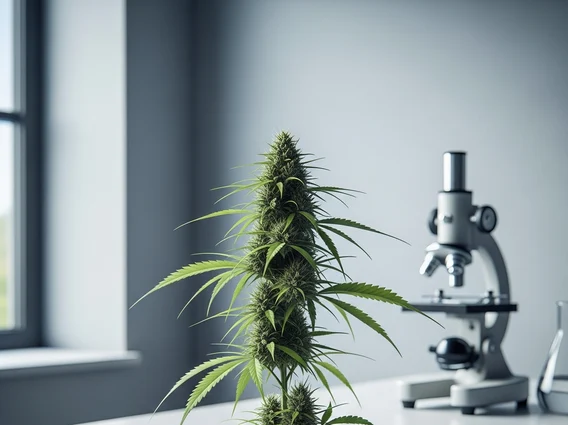
Key Takeaways
- Industrial Hemp is a versatile crop with minimal psychoactive properties, primarily grown for its fibers, seeds, and oils.
- It has a wide range of applications, including textiles, construction materials, food products, and bioplastics.
- Cultivating Industrial Hemp offers significant environmental benefits, such as soil remediation and carbon sequestration.
- A key distinction between Industrial Hemp and other cannabis varieties is its THC content, which is legally mandated to be below 0.3% in many regions.
- Its rapid growth and adaptability make it a sustainable resource for various industries.
What is Industrial Hemp?
Industrial Hemp refers to a botanical class of Cannabis sativa cultivars specifically bred for industrial applications. These plants are characterized by their tall, fibrous stalks and a significantly low concentration of delta-9 tetrahydrocannabinol (THC), typically less than 0.3% on a dry weight basis, which is the legal threshold in many countries, including the United States. This low THC level ensures that Industrial Hemp does not produce the psychoactive effects associated with marijuana.
Historically, Industrial Hemp has been cultivated for thousands of years across various cultures due to its robust fibers and nutritional seeds. Its resurgence in modern agriculture is driven by its versatility and environmental advantages, making it a valuable crop for a sustainable future. The plant’s rapid growth cycle and adaptability to diverse climates contribute to its appeal as an agricultural commodity.
Industrial Hemp: Uses, Benefits, and Plant Characteristics
The utility of Industrial Hemp extends across numerous sectors, making it a highly valuable and sustainable crop. The plant’s various components—fibers, seeds, and hurds (inner woody core)—are processed into a wide array of products.
Industrial Hemp is used for:
- Textiles and Apparel: Its strong, durable fibers are ideal for clothing, ropes, canvas, and industrial fabrics.
- Building Materials: Hempcrete (a concrete-like material), insulation, and fiberboards utilize hemp’s structural properties.
- Food and Nutrition: Hemp seeds are a rich source of protein, essential fatty acids (omega-3 and omega-6), and minerals, used in oils, protein powders, and snacks.
- Bioplastics and Composites: Hemp fibers can reinforce plastics, creating lighter and more biodegradable materials for automotive parts and consumer goods.
- Paper Products: Hemp pulp can be used to produce high-quality, durable paper, offering an alternative to wood pulp.
- Biofuels: The biomass from hemp can be converted into ethanol and biodiesel.
The benefits of industrial hemp cultivation are substantial. Environmentally, it requires less water and fewer pesticides than many other crops. It also contributes to soil health through phytoremediation, removing toxins from the soil, and acts as an excellent carbon sink, absorbing significant amounts of CO2 from the atmosphere. Economically, its diverse applications create new markets and opportunities for farmers and industries. Industrial hemp plant facts reveal its resilience; it can grow in various soil types and climates, often without extensive irrigation, making it a low-impact crop.
Industrial Hemp vs. Cannabis: Key Distinctions
While both Industrial Hemp and other forms of cannabis (often referred to as marijuana) belong to the same plant species, Cannabis sativa, their legal definitions, chemical compositions, and primary uses are significantly different. The primary distinction lies in their tetrahydrocannabinol (THC) content.
The difference between hemp and cannabis is crucial for legal and practical purposes. Industrial Hemp is legally defined by its low THC concentration, typically below 0.3%, which is insufficient to produce psychoactive effects. In contrast, cannabis cultivated for recreational or medicinal use (marijuana) contains much higher levels of THC, often ranging from 5% to 30% or more, leading to its psychoactive properties. This chemical difference dictates their cultivation practices, processing methods, and regulatory frameworks.
| Feature | Industrial Hemp | Cannabis (Marijuana) |
|---|---|---|
| THC Content | Less than 0.3% (dry weight) | Typically 5% to 30%+ (dry weight) |
| Appearance | Tall, slender stalks; sparse foliage; grows densely | Shorter, bushier plants; dense foliage; grows widely |
| Primary Use | Fibers, seeds, oils, building materials, textiles | Recreational, medicinal psychoactive effects |
| Cultivation | Grown outdoors, densely packed, for biomass | Grown indoors or outdoors with more spacing, for flowers |
| Legal Status (US) | Federally legal under the 2018 Farm Bill | Federally illegal, state-level legality varies |



















