Carac (Fluorouracil Topical): Uses, Side Effects & Warnings
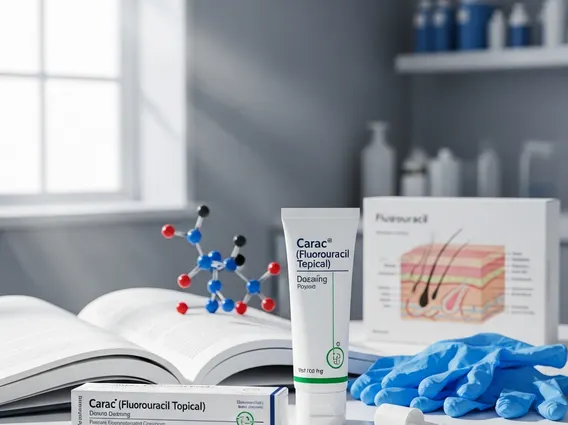
Carac (Fluorouracil Topical) is a prescription cream used to treat actinic keratosis, a common precancerous skin condition caused by long-term sun exposure. Understanding its mechanism, proper use, and safety profile is essential for patients and caregivers seeking effective and informed treatment.
Key Takeaways
- Carac is a topical chemotherapy cream containing 0.5% fluorouracil, approved for treating actinic keratosis on the face and scalp.
- It works by interfering with the DNA synthesis of abnormal skin cells, causing them to die off over the treatment course.
- Common side effects include redness, peeling, burning, and skin irritation at the application site.
- Carac carries important safety warnings, including risk to pregnancy and potential for severe skin reactions if used incorrectly.
- Patients should follow prescribed dosage instructions carefully and consult their dermatologist before starting or stopping treatment.
What Is Carac (Fluorouracil Topical) and How Does It Work?
Carac is a topical formulation of fluorouracil at a 0.5% concentration, belonging to the antimetabolite class of chemotherapy agents. Unlike systemic chemotherapy, it is applied directly to the skin, allowing it to target abnormal cells locally while limiting broader systemic exposure. The U.S. Food and Drug Administration (FDA) has approved Carac specifically for the treatment of multiple actinic keratoses on the face and anterior scalp.
At the cellular level, fluorouracil disrupts the normal synthesis of DNA and RNA in rapidly dividing cells. It acts by inhibiting the enzyme thymidylate synthase, which is essential for producing the building blocks of DNA. Without this enzyme functioning properly, abnormal or precancerous skin cells cannot replicate and eventually undergo cell death. Healthy cells with slower division rates are less affected, making topical fluorouracil a targeted approach for surface-level lesions.
The cream’s mechanism produces a visible inflammatory response over the treatment period, which is actually indicative of the drug working as intended. Patients typically notice progressive redness, erosion, and crusting as the precancerous cells are destroyed. This process, though temporarily uncomfortable, reflects the elimination of abnormal tissue. Once the treatment course ends, the skin heals and is replaced by healthier cells over the following weeks.
Carac (Fluorouracil Topical) Uses: Treating Actinic Keratosis
Fluorouracil topical cream for actinic keratosis treatment represents one of the most widely used dermatological interventions for this precancerous condition. Actinic keratosis (AK) consists of rough, scaly patches that develop on sun-damaged skin, particularly on the face, scalp, ears, and hands. According to the American Academy of Dermatology, actinic keratosis affects an estimated 58 million Americans, making it one of the most common conditions seen by dermatologists. Left untreated, a small percentage of AK lesions can progress to squamous cell carcinoma, a form of skin cancer.
Carac is designed specifically for patients with multiple AK lesions rather than isolated spots, as the cream can be applied across a broader affected area to address subclinical lesions that may not yet be visibly apparent. This field-treatment approach is particularly valuable because it targets a wide zone of sun-damaged skin, reducing the risk of lesions that standard spot treatments might miss. This makes it a preferred option for patients with significant cumulative sun exposure history.
Patients at highest risk for actinic keratosis include those with fair skin, a history of frequent or intense sun exposure, immunosuppression, or older age. The prevalence of AK increases significantly in people over 40, particularly those living in high-UV geographic regions. Early treatment with Carac can reduce the likelihood of malignant transformation and spare patients from more invasive procedures such as surgical excision or cryotherapy for multiple lesions simultaneously.
Fluorouracil Topical Cream Side Effects and Warnings
Fluorouracil topical cream side effects and warnings are important considerations before beginning therapy. The most frequently reported local reactions include erythema (redness), pain or burning at the application site, skin erosion, ulceration, edema, and crusting. These reactions are expected as part of the drug’s action and generally resolve after completing the treatment course. Severe reactions, however, should be reported to a healthcare provider promptly.
Beyond local skin effects, some patients experience systemic symptoms such as eye irritation if the cream makes contact with mucous membranes, as well as rare cases of leukocytosis or changes in blood counts. Patients with a known deficiency of dihydropyrimidine dehydrogenase (DPD), an enzyme involved in fluorouracil metabolism, are at significantly higher risk of severe toxicity even from topical application and should avoid this medication entirely.
The following are the most clinically significant warnings associated with Carac use:
- Pregnancy risk: Carac is classified as FDA Pregnancy Category X, meaning it is contraindicated in pregnancy due to evidence of fetal harm.
- Sun sensitivity: Treated skin becomes more sensitive to UV radiation during the treatment period; sun avoidance and protective clothing are strongly recommended.
- Ocular exposure: Avoid contact with eyes, nostrils, and mouth; accidental contact should be rinsed thoroughly with water.
- Prolonged use: Using Carac longer than prescribed may cause excessive skin damage and delay healing.
- DPD deficiency: Patients with this enzyme deficiency face life-threatening toxicity and must be screened when clinically indicated.
Carac cream safety warnings and precautions also extend to patients using immunosuppressive medications or those who have had organ transplants, as their skin is already at elevated risk for malignancy and may respond differently to treatment. Patients should inform their dermatologist of all current medications, supplements, and medical history before starting therapy.
Carac Dosage, Precautions, and Important Drug Information
Carac fluorouracil topical drug information and dosage guidelines specify that the cream should be applied once daily using fingertips to the affected areas of the face and anterior scalp, taking care to wash hands thoroughly before and after application. The standard treatment duration is typically four weeks, though individual treatment length may vary based on clinical response and dermatologist guidance. A thin layer is sufficient; overapplication does not improve outcomes and may increase the severity of local reactions.
Patients should not use occlusive dressings over areas treated with Carac unless specifically directed by a physician, as occlusion can dramatically intensify drug absorption and local irritation. The cream should also not be applied near the eyes, nose, or mouth. If accidental ingestion occurs, medical attention should be sought immediately. Storage instructions indicate the cream should be kept at controlled room temperature, away from light and moisture.
Before initiating treatment, a full review of the patient’s medication list is recommended to identify potential interactions. Although topical application limits systemic absorption in most patients, there is a theoretical risk of interaction with drugs metabolized similarly. The table below summarizes key Carac fluorouracil topical drug information for quick reference:
| Parameter | Details |
|---|---|
| Drug Class | Antimetabolite / Topical chemotherapy |
| Active Ingredient | Fluorouracil 0.5% |
| Approved Indication | Multiple actinic keratoses (face and anterior scalp) |
| Application Frequency | Once daily |
| Typical Treatment Duration | Approximately 4 weeks |
| Contraindications | Pregnancy, DPD enzyme deficiency, hypersensitivity to fluorouracil |
| Pregnancy Category | Category X (FDA) |
| Storage | Controlled room temperature; protect from light |
Monitoring during treatment is encouraged, and follow-up appointments with a dermatologist allow for assessment of skin response and adjustment of the treatment plan if necessary. Patients experiencing signs of systemic toxicity — such as fever, severe diarrhea, unusual bleeding, or extreme fatigue — should discontinue use and seek immediate medical attention. These systemic symptoms, though uncommon with topical application, may indicate excessive absorption, particularly in individuals with DPD deficiency.
Frequently Asked Questions
Can Carac be used on skin areas other than the face and scalp?
Carac is FDA-approved only for actinic keratosis on the face and anterior scalp. Using it on other body areas is considered off-label and should only occur under direct physician supervision. The skin thickness and absorption rates differ by body region, which can affect both efficacy and the risk of adverse reactions. Always follow your dermatologist’s specific recommendations regarding application site and treatment area boundaries.
How long does skin recovery take after finishing a Carac treatment course?
After completing treatment, the skin typically begins healing within one to two weeks. Full resolution of redness, crusting, and irritation may take two to four additional weeks depending on the individual’s skin type and the severity of the inflammatory response. Patients are advised to continue sun protection and use gentle moisturizers during recovery. A follow-up dermatology appointment helps confirm successful lesion clearance and assess the overall skin condition.
Is it safe to use cosmetics or sunscreen while applying Carac?
Applying cosmetics or sunscreen directly over the treated area immediately before or after applying Carac is generally discouraged, as it may interfere with absorption or increase irritation. Sunscreen, however, remains critically important during treatment given heightened UV sensitivity. Patients should apply Carac as directed, allow it to absorb, and consult their dermatologist regarding a safe skincare routine. Avoid applying other topical prescription products to the same area unless specifically approved.