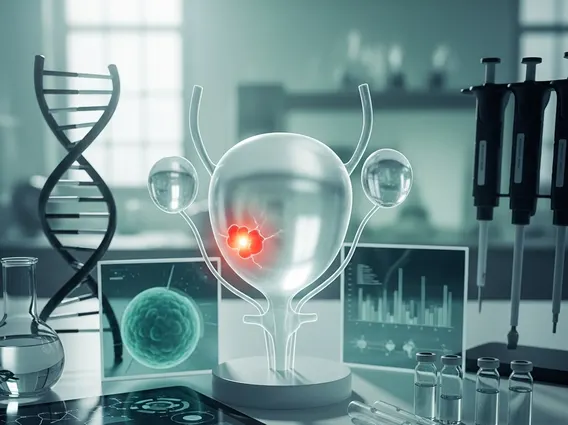
Alternative Therapies for Vaginal Cancer
Navigating a diagnosis of vaginal cancer can be overwhelming, prompting many individuals to explore various treatment avenues beyond conventional medical care. This article delves into the landscape of alternative treatments for vaginal cancer and complementary approaches, offering insights into their potential roles and considerations.
Key Takeaways
- Alternative therapies replace standard medical care, while complementary therapies are used alongside it.
- Many patients explore these options for improved well-being, symptom management, and a sense of control.
- Mind-body practices and certain dietary/herbal considerations are common, but scientific evidence varies greatly.
- Always discuss any vaginal cancer alternative treatment options with your medical team to avoid risks and interactions.
- Integrative medicine vaginal cancer care combines standard treatments with evidence-based complementary therapies for holistic support.
Understanding Alternative Treatments for Vaginal Cancer
When facing a serious diagnosis like vaginal cancer, patients often seek ways to enhance their healing journey, manage symptoms, and improve quality of life. This exploration frequently leads to an interest in therapies that fall outside conventional medical protocols. Understanding the distinctions and motivations behind these choices is crucial for informed decision-making.
Defining Complementary vs. Alternative
It’s important to differentiate between complementary and alternative treatments for vaginal cancer. Complementary therapies vaginal cancer refers to treatments used alongside standard medical care, such as chemotherapy, radiation, or surgery. Examples include acupuncture to alleviate nausea or meditation for stress reduction. These therapies aim to support the patient’s well-being and manage side effects without replacing conventional treatment.
In contrast, alternative therapies are used instead of standard medical treatment. For instance, choosing a specific diet or herbal regimen as the sole treatment for cancer, rather than undergoing surgery or chemotherapy, would be considered an alternative approach. Medical professionals generally advise against alternative treatments that replace proven conventional care due to a lack of scientific evidence for their efficacy and potential for harm.
Why Patients Explore These Options
Patients explore complementary and vaginal cancer alternative treatment options for a variety of reasons. Many seek to gain a sense of control over their health, reduce treatment side effects, or improve their overall quality of life. Some are drawn to the promise of a more “natural” approach, while others hope to boost their immune system or find emotional and spiritual support. The desire for personalized care and a holistic perspective often plays a significant role in this exploration. According to the American Cancer Society, a significant percentage of cancer patients use some form of complementary and alternative medicine, highlighting a widespread interest in these approaches.
Common Complementary and Natural Approaches for Vaginal Cancer
A wide array of complementary and natural remedies for vaginal cancer are explored by individuals seeking to support their health. These approaches often focus on enhancing overall well-being and managing symptoms rather than directly treating the cancer itself. It is vital to approach these with caution and always in consultation with healthcare providers.
Mind-Body Practices for Well-being
Mind-body practices are among the most widely adopted complementary therapies, aiming to connect the mind, body, and spirit to promote relaxation and reduce stress. These practices can be particularly beneficial for managing anxiety, pain, and fatigue associated with cancer and its treatments. They contribute to holistic approaches vaginal cancer patients might consider for their overall health.
- Meditation and Mindfulness: Techniques that focus on present moment awareness can reduce stress, improve sleep, and enhance emotional coping.
- Yoga and Tai Chi: Gentle physical practices that combine movement, breathing, and meditation can improve flexibility, balance, and reduce fatigue.
- Acupuncture: This traditional Chinese medicine technique, involving the insertion of thin needles into specific body points, is often used to manage pain, nausea, and fatigue.
- Massage Therapy: Can help reduce stress, anxiety, and muscle tension, offering comfort and relaxation.
While these practices can significantly improve quality of life, they are not cancer treatments and should not be used as substitutes for conventional medical care.
Dietary and Herbal Considerations
Dietary changes and herbal supplements are frequently explored as natural remedies for vaginal cancer, with many patients hoping to boost their immune system or fight cancer cells. This area, however, requires extreme caution due to potential interactions with conventional treatments and a general lack of robust scientific evidence supporting direct anti-cancer effects.
Some patients adopt specific diets, such as vegetarian, vegan, or ketogenic diets, believing they can starve cancer cells or detoxify the body. While a balanced, nutrient-rich diet is crucial for overall health during cancer treatment, extreme dietary restrictions without medical supervision can lead to malnutrition and weaken the body. Similarly, various herbal supplements, vitamins, and high-dose antioxidants are promoted for their purported anti-cancer properties. However, many lack scientific validation, and some can interfere with chemotherapy or radiation, making treatments less effective or increasing toxicity. For example, St. John’s Wort can interact with many drugs, including some chemotherapy agents, potentially reducing their effectiveness.
Always discuss any dietary changes or supplements with your medical team to ensure they are safe and do not interfere with your prescribed treatment plan. The National Cancer Institute (NCI) emphasizes that while some compounds derived from natural sources show promise in laboratory studies, their safety and efficacy in human cancer treatment are often unproven.
Safety and Evidence for Vaginal Cancer Therapies
When considering complementary therapies vaginal cancer patients must prioritize safety and critically evaluate the scientific evidence supporting any chosen approach. The allure of “natural” solutions can sometimes overshadow the importance of rigorous testing and professional guidance.
Potential Risks and Interactions
Even seemingly benign complementary therapies can carry risks, especially for individuals undergoing cancer treatment. Herbal supplements, for example, can interact with chemotherapy drugs, radiation therapy, or other medications, potentially altering their effectiveness or increasing side effects. Some supplements may also affect blood clotting, liver function, or immune response, which can be dangerous during surgery or if the immune system is compromised. For instance, high doses of certain vitamins or antioxidants might interfere with the oxidative stress mechanisms by which some chemotherapies kill cancer cells. The lack of regulation for many supplements means their purity, potency, and even ingredients can vary widely, posing additional risks. It is crucial to remember that “natural” does not automatically mean “safe” or “effective.”
Importance of Evidence-Based Decisions
Making informed decisions about vaginal cancer alternative treatment options requires a commitment to evidence-based practices. This means relying on therapies that have been rigorously tested in clinical trials and shown to be safe and effective. Unfortunately, many alternative therapies lack this scientific validation. Reputable medical organizations, such as the National Comprehensive Cancer Network (NCCN) and the American Society of Clinical Oncology (ASCO), provide guidelines based on the best available evidence for cancer care, including recommendations for complementary therapies that have demonstrated benefit for symptom management.
Patients should be wary of claims that promise cures or offer “secret” remedies, especially if they discourage conventional medical treatment. Always consult with your oncologist or other healthcare providers before starting any new therapy, whether complementary or alternative. They can provide guidance based on your specific diagnosis, treatment plan, and overall health, helping you distinguish between beneficial supportive care and potentially harmful unproven treatments.
Integrating Therapies with Standard Vaginal Cancer Care
The most effective approach for many individuals exploring non-conventional options is to integrate evidence-based complementary therapies with standard medical care. This strategy, often referred to as integrative medicine vaginal cancer care, focuses on treating the whole person—mind, body, and spirit—while ensuring the primary focus remains on scientifically proven cancer treatments.
Collaborating with Your Medical Team
Open and honest communication with your medical team is paramount when considering vaginal cancer alternative treatment options. Your oncologist, nurses, and other healthcare providers need to be aware of all therapies, supplements, or dietary changes you are undertaking. This allows them to monitor for potential interactions, adjust your conventional treatment plan if necessary, and ensure your safety. They can also offer guidance on which complementary therapies might be most beneficial for your specific needs, such as managing pain, nausea, fatigue, or anxiety. A collaborative approach ensures that all aspects of your care are coordinated and optimized for the best possible outcomes.
Many cancer centers now offer integrative oncology programs that provide access to evidence-based complementary therapies under medical supervision. These programs often include services like acupuncture, massage, nutrition counseling, and mind-body practices, all designed to work in harmony with your conventional treatments. Utilizing such resources can provide a safe and informed pathway to incorporating supportive therapies into your cancer journey.
Maximizing Benefits, Minimizing Harm
The goal of integrative medicine vaginal cancer care is to maximize the benefits of all available therapies while minimizing potential harm. This involves carefully selecting complementary therapies that have scientific backing for their safety and efficacy in specific contexts, such as symptom management or quality of life improvement. For example, acupuncture has shown promise in reducing chemotherapy-induced nausea and vomiting, and mindfulness-based stress reduction can significantly alleviate anxiety and depression in cancer patients.
Conversely, it means avoiding alternative treatments that lack scientific evidence, make exaggerated claims, or could interfere with standard care. Prioritizing therapies that support your physical and emotional well-being, without compromising the effectiveness of your primary cancer treatment, is key. Always seek information from credible sources and discuss any new therapy with your healthcare provider to ensure it aligns with your overall treatment goals and promotes your health safely and effectively.
Disclaimer: The information provided in this article is for educational purposes only and is not intended to be a substitute for professional medical advice, diagnosis, or treatment. Always seek the advice of your physician or other qualified health provider with any questions you may have regarding a medical condition. Never disregard professional medical advice or delay in seeking it because of something you have read in this article. Complementary therapies are supportive only and do not replace medical treatment for vaginal cancer.
Frequently Asked Questions
Can alternative therapies cure vaginal cancer?
Currently, there is no scientific evidence to suggest that any alternative therapy can cure vaginal cancer. Standard medical treatments like surgery, radiation, and chemotherapy are the only proven methods for treating this disease. While some alternative approaches may offer comfort or symptom relief, relying on them as a sole cure can lead to delayed or inadequate care, potentially worsening outcomes. Always prioritize discussions with your medical team regarding any treatment decisions.
Are natural remedies for vaginal cancer safe to use during chemotherapy?
The safety of natural remedies during chemotherapy varies greatly. Many herbs and supplements can interact with chemotherapy drugs, potentially reducing their effectiveness or increasing side effects. Some may also affect blood clotting or liver function, posing risks. It is crucial to discuss every natural remedy, supplement, or dietary change with your oncologist before starting it, as they can assess potential interactions and ensure your safety during treatment.
How can I find reliable information on complementary therapies for vaginal cancer?
To find reliable information, consult reputable sources such as the National Cancer Institute (NCI), American Cancer Society (ACS), and your specific cancer treatment center’s integrative oncology program. These organizations provide evidence-based information on complementary therapies that have been studied for safety and efficacy in cancer patients. Always be wary of sources that promise quick cures or discourage conventional medical treatment, and prioritize discussions with your healthcare team.