Monks Pepper
Monks Pepper, also known botanically as Vitex agnus-castus, is an herbal remedy derived from the berries of a shrub native to the Mediterranean region. It is primarily recognized for its traditional use in supporting hormonal balance, particularly in women’s health.
Key Takeaways
- Monks Pepper is an herbal remedy sourced from the dried berries of the Vitex agnus-castus plant.
- It is commonly used to alleviate symptoms associated with premenstrual syndrome (PMS) and to help regulate menstrual cycles.
- The herb is believed to influence the pituitary gland, potentially affecting prolactin levels and, indirectly, other reproductive hormones.
- While generally well-tolerated, potential side effects include mild gastrointestinal upset, skin rashes, and headaches.
- Monks Pepper and Chaste Tree refer to the same plant species, with Monks Pepper typically specifying the berries used in herbal preparations.
What is Monks Pepper?
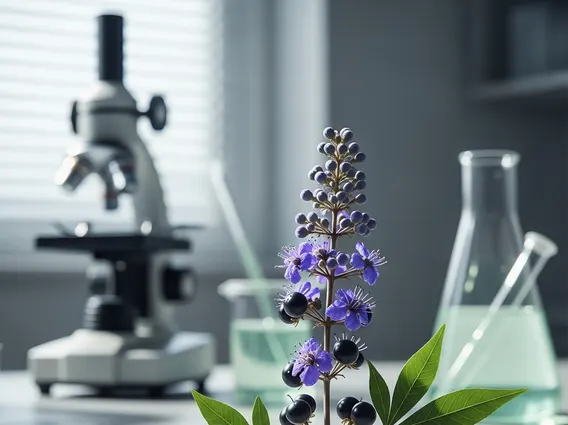
Monks Pepper refers to the dried fruit of the Vitex agnus-castus plant, a deciduous shrub that grows in temperate regions. This botanical, often called the Chaste Tree, has a long history of use in traditional medicine, dating back to ancient Greece. The berries are the primary part of the plant used for herbal remedies, valued for their potential therapeutic properties.
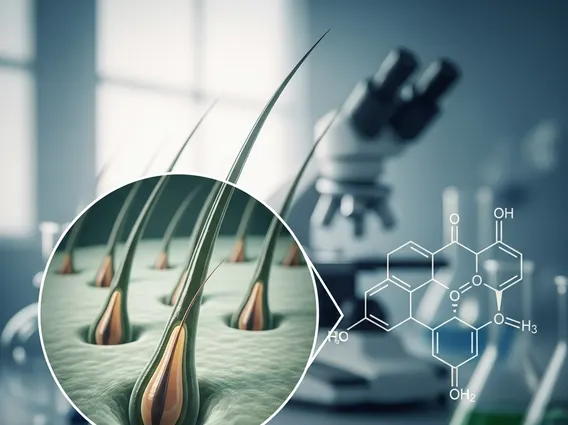
The efficacy of Monks Pepper is attributed to its complex composition, which includes various active compounds. Information regarding monks pepper herb information highlights the presence of flavonoids, iridoid glycosides such as agnuside and aucubin, and essential oils. These constituents are thought to interact with the body’s endocrine system, particularly influencing the pituitary gland, which plays a crucial role in hormone regulation.
Monks Pepper Uses, Benefits, and Potential Side Effects
Monks Pepper is widely recognized for its applications in supporting women’s reproductive health. Its mechanism of action is believed to involve modulating the release of certain hormones, particularly by potentially reducing elevated prolactin levels. This indirect hormonal effect can help balance the ratio of estrogen and progesterone, which is often implicated in menstrual cycle disturbances. Understanding these interactions is key to appreciating the monks pepper plant benefits and side effects.
What Monks Pepper is Used For
Monks Pepper is primarily used to manage a range of symptoms associated with premenstrual syndrome (PMS), including breast tenderness, mood swings, irritability, bloating, and headaches. It is also utilized to promote menstrual cycle regularity, especially in cases of irregular periods (oligomenorrhea) or the absence of menstruation (amenorrhea). Some individuals explore its use for supporting fertility and alleviating symptoms during perimenopause, although more extensive research is ongoing in these areas.
Potential Side Effects of Monks Pepper
While Monks Pepper is generally considered safe for short-term use, some individuals may experience adverse reactions. Common potential side effects include:
- Mild gastrointestinal discomfort, such as nausea or stomach pain
- Skin reactions, including rashes or itching
- Headaches and dizziness
- Changes in menstrual flow
- Acne exacerbation
It is crucial to consult a healthcare provider before starting any herbal supplement, particularly if you are pregnant, breastfeeding, or taking hormone-sensitive medications, as Monks Pepper may interact with these.
Monks Pepper vs. Chaste Tree: Key Differences
The terms monks pepper vs chaste tree are frequently used interchangeably, which can cause confusion. Both refer to the same botanical species, Vitex agnus-castus. However, “Chaste Tree” is the more encompassing name for the entire plant, including its leaves, flowers, and berries. “Monks Pepper,” on the other hand, specifically refers to the dried berries of the Chaste Tree, which are the part most commonly processed for herbal remedies and supplements. The distinction largely lies in whether one is referring to the plant as a whole or specifically to its medicinal fruit.
| Feature | Monks Pepper | Chaste Tree |
|---|---|---|
| Botanical Name | Vitex agnus-castus (specifically the berries) | Vitex agnus-castus (the entire plant) |
| Common Reference | Typically refers to the dried berries used in herbal preparations. | Refers to the plant itself; often used synonymously with Monks Pepper for herbal remedies. |
| Primary Part Used | Dried berries | Berries (though other parts may have historical uses) |
| Key Active Compounds | Concentrated flavonoids, iridoid glycosides (e.g., agnuside, aucubin) | Same active compounds, primarily concentrated in the berries. |
The information provided in this article is for educational purposes only and is not intended to be a substitute for professional medical advice, diagnosis, or treatment. Always seek the advice of your physician or other qualified health provider with any questions you may have regarding a medical condition. This information is supportive only and does not replace medical treatment.