MEN2
Multiple Endocrine Neoplasia Type 2 (MEN2) is a rare genetic disorder that predisposes individuals to developing tumors in specific endocrine glands. Understanding this condition is crucial for early detection and effective management, as it can lead to various health complications.
Key Takeaways
- MEN2 is an inherited genetic disorder characterized by the development of tumors in endocrine glands.
- It is primarily caused by specific mutations in the RET proto-oncogene.
- Common manifestations include medullary thyroid carcinoma, pheochromocytoma, and primary hyperparathyroidism.
- Early diagnosis through genetic testing is vital for at-risk individuals and family members.
- Treatment typically involves surgical removal of affected glands, often prophylactically.
What is MEN2 (Multiple Endocrine Neoplasia Type 2)?
Multiple Endocrine Neoplasia Type 2 (MEN2) is a rare inherited disorder characterized by the development of tumors in certain endocrine glands, particularly the thyroid, adrenal glands, and parathyroid glands. This condition, often referred to simply as MEN2, is caused by specific mutations in the RET proto-oncogene. Understanding what is MEN2 involves recognizing its impact on hormone-producing glands, leading to an increased risk of specific cancers and benign growths.
MEN2 is classified into three main subtypes: MEN2A, MEN2B, and familial medullary thyroid carcinoma (FMTC). Each subtype presents with a distinct pattern of tumor development, though medullary thyroid carcinoma (MTC) is a hallmark feature across all forms. According to the National Cancer Institute, MEN2 affects approximately 1 in 35,000 individuals worldwide, making early identification critical for improved outcomes and timely intervention.
MEN2 Syndrome Symptoms and Genetic Basis
The manifestations of MEN2 syndrome symptoms can vary widely depending on the specific subtype of MEN2 and the glands affected. The most common and often first sign is medullary thyroid carcinoma (MTC), a type of thyroid cancer that originates from the parafollicular C cells of the thyroid gland. MTC can produce calcitonin, a hormone that can be used as a tumor marker.
Other significant symptoms may arise from pheochromocytoma, a tumor of the adrenal glands that produces excessive catecholamines, leading to symptoms like high blood pressure, palpitations, and headaches. Primary hyperparathyroidism, involving the overactivity of the parathyroid glands, can cause elevated calcium levels in the blood, potentially leading to kidney stones, bone problems, and fatigue. In some cases, particularly with MEN2B, individuals may present with specific physical features such as a marfanoid habitus (tall, slender build) and mucosal neuromas (benign tumors on the lips, tongue, and eyelids).
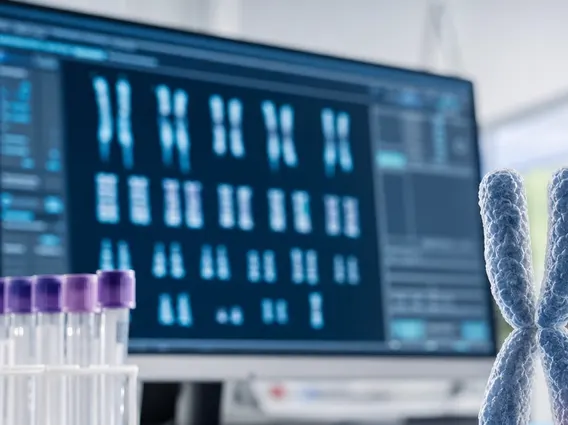
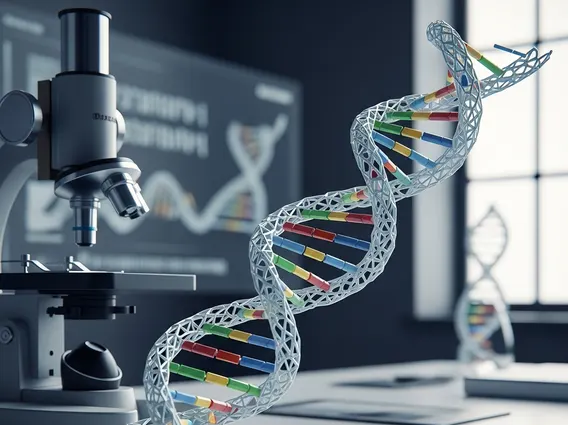
The genetic basis of MEN2 lies in germline mutations of the RET proto-oncogene, located on chromosome 10. This gene provides instructions for making a receptor tyrosine kinase protein involved in cell signaling, which plays a crucial role in the development and function of the nervous system and certain endocrine cells. Mutations in the RET gene lead to its constitutive activation, promoting uncontrolled cell growth and tumor formation in the affected endocrine glands.
- Medullary Thyroid Carcinoma (MTC): Present in nearly all MEN2 patients, often the first manifestation.
- Pheochromocytoma: Occurs in about 50% of MEN2A patients and a higher percentage of MEN2B patients.
- Primary Hyperparathyroidism: Affects 15-30% of MEN2A patients.
- Mucosal Neuromas and Marfanoid Habitus: Specific to MEN2B, often noticeable in childhood.
Diagnosing and Treating MEN2
Effective MEN2 diagnosis and treatment relies on a combination of genetic testing, biochemical screening, and imaging studies. Given its inherited nature, genetic testing for RET gene mutations is the cornerstone of diagnosis, especially for at-risk family members of an affected individual. This allows for presymptomatic identification, enabling prophylactic interventions.
Biochemical tests are crucial for detecting tumor activity. Measuring calcitonin levels in the blood helps screen for MTC, while screening for plasma or urinary metanephrines and normetanephrines can detect pheochromocytoma. Imaging studies, such as ultrasound of the thyroid, CT or MRI scans of the abdomen, and sometimes specialized nuclear medicine scans, are used to locate tumors and assess their extent. Once diagnosed, treatment primarily involves surgical removal of affected glands.
For instance, a total thyroidectomy (surgical removal of the entire thyroid gland) is typically recommended for MTC, often prophylactically in individuals with a confirmed RET mutation before cancer develops. Pheochromocytomas are also surgically removed, usually after medical preparation to control blood pressure. Management may also include lifelong hormone replacement therapy after gland removal and, in some cases, targeted therapies for advanced cancers. Regular surveillance, including biochemical testing and imaging, is crucial for individuals with MEN2 to monitor for new tumor development or recurrence, ensuring long-term health management.