Massively Parallel Sequencing
Massively Parallel Sequencing, often referred to as next-generation sequencing, is a revolutionary technology that has transformed genetic and genomic research. This advanced approach allows for the rapid and cost-effective sequencing of millions of DNA fragments simultaneously, providing unprecedented insights into biological systems and disease mechanisms.
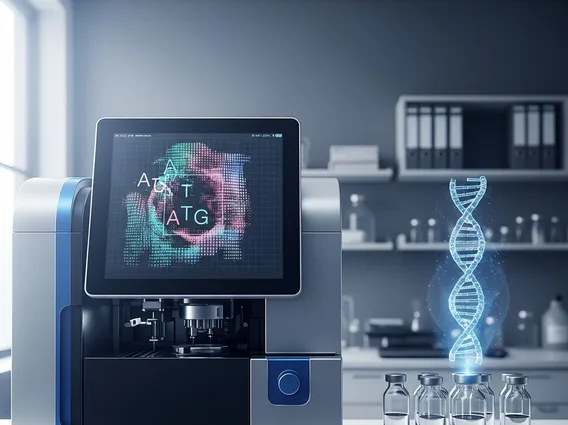
Key Takeaways
- Massively Parallel Sequencing (MPS) enables the simultaneous sequencing of millions of DNA fragments.
- It has significantly increased the speed and reduced the cost of genomic analysis compared to traditional methods.
- The process involves library preparation, clonal amplification, cyclic sequencing, and data analysis.
- MPS is crucial in diagnosing genetic disorders, identifying cancer mutations, and studying infectious diseases.
- Its broad applications continue to advance precision medicine and biological research.
What is Massively Parallel Sequencing (MPS)?
Massively Parallel Sequencing (MPS), also known as next-generation sequencing (NGS), is a high-throughput DNA sequencing technology that has revolutionized genomics. Unlike traditional Sanger sequencing, which processes DNA fragments one at a time, MPS can sequence millions of DNA molecules in parallel. This capability dramatically increases the speed and reduces the cost of sequencing, making large-scale genomic studies feasible. The core principle behind what is massively parallel sequencing is the simultaneous analysis of countless short DNA reads, which are then computationally reassembled to reconstruct entire genomes or specific genomic regions. The comprehensive nature of massively parallel sequencing explained allows for deep insights into genetic variations, gene expression, and epigenetic modifications.
Mechanism of Massively Parallel Sequencing
Understanding how does massively parallel sequencing work involves several key stages, each crucial for generating accurate and extensive genomic data. The process typically begins with preparing a DNA library, where genomic DNA is fragmented into smaller pieces, and adaptors are ligated to their ends. These adaptors are essential for binding the DNA fragments to a solid surface and for subsequent amplification and sequencing steps.
- Library Preparation: Fragmenting DNA and ligating adaptors to create a sequencing-ready library.
- Clonal Amplification: Generating millions of identical copies of each DNA fragment on a solid surface.
- Cyclic Sequencing: Incorporating fluorescently labeled nucleotides one by one and capturing signals to determine the sequence.
- Data Analysis: Aligning short reads to a reference genome and identifying genetic variations.
Following amplification, cyclic sequencing commences. This involves repeatedly adding fluorescently labeled nucleotides and DNA polymerase, capturing the signal after each base incorporation. This cycle builds up a sequence for each amplified cluster. Finally, the raw sequencing data, comprising millions of short reads, undergoes bioinformatics analysis. These reads are aligned to a reference genome, enabling the identification of genetic variations like single nucleotide polymorphisms (SNPs) and structural rearrangements. This computational interpretation is vital for understanding the vast data generated by MPS platforms.
Applications of Massively Parallel Sequencing
The broad utility of massively parallel sequencing applications spans various fields within medicine, clinical diagnostics, and oncology. In clinical diagnostics, MPS is invaluable for identifying genetic mutations responsible for inherited diseases, often providing a definitive diagnosis where traditional methods fall short. For example, it can screen for a wide range of genetic conditions from a single sample, aiding in early intervention and personalized treatment plans.
In oncology, MPS is used to characterize tumor genomes, identifying somatic mutations that drive cancer growth and progression. This information is critical for guiding targeted therapies, monitoring treatment response, and detecting minimal residual disease. Furthermore, it plays a vital role in pharmacogenomics, predicting an individual’s response to specific drugs based on their genetic makeup. Beyond human health, MPS is also applied in microbiology for rapid pathogen identification, surveillance of antimicrobial resistance, and understanding infectious disease outbreaks, contributing significantly to public health initiatives.