
NTHL1 Gene
The NTHL1 Gene encodes a crucial enzyme involved in DNA repair, playing a vital role in maintaining genomic stability. Understanding its function and the implications of its mutations is essential for comprehending certain hereditary conditions.
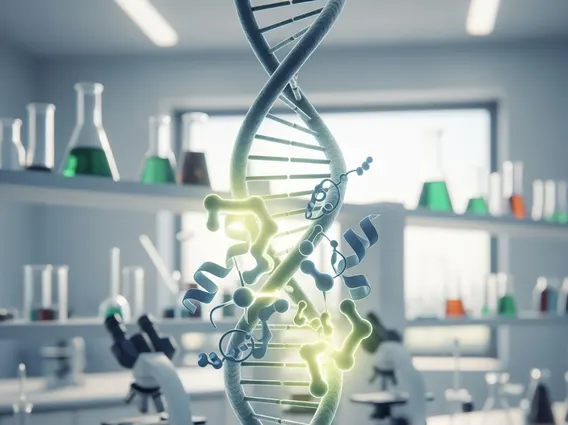
Key Takeaways
- The NTHL1 gene produces a DNA glycosylase enzyme, essential for the base excision repair (BER) pathway.
- This enzyme identifies and removes damaged DNA bases, preventing mutations and maintaining genetic integrity.
- Mutations in the NTHL1 gene lead to an increased risk of developing NTHL1-associated polyposis (NAP), a hereditary condition characterized by multiple colorectal polyps and an elevated cancer risk.
- NAP is inherited in an autosomal recessive manner, meaning both copies of the gene must be mutated for the condition to manifest.
- Early detection and regular surveillance are crucial for individuals with NTHL1 mutations to manage associated health risks effectively.
What is the NTHL1 Gene?
The NTHL1 Gene (NTH Like DNA Glycosylase 1) is a gene in humans that provides instructions for making an enzyme called NTHL1 protein. This protein belongs to a family of enzymes known as DNA glycosylases. Its primary role is to initiate a critical DNA repair pathway called base excision repair (BER). This pathway is fundamental for correcting various types of DNA damage that occur spontaneously or due to environmental factors, thereby safeguarding the integrity of the genome. Without proper function of the NTHL1 gene, damaged DNA bases can persist, leading to an accumulation of mutations and potentially contributing to disease development.
NTHL1 Gene Function and Cellular Role
The core NTHL1 gene function revolves around its activity as a DNA glycosylase. Specifically, the NTHL1 enzyme recognizes and removes oxidized pyrimidine bases, such as thymine glycol and 5-hydroxycytosine, from the DNA helix. These damaged bases can arise from oxidative stress and, if left unrepaired, can lead to mispairing during DNA replication, ultimately causing permanent mutations. The NTHL1 enzyme acts as the first line of defense in the base excision repair (BER) pathway. Once the damaged base is removed, it creates an apurinic/apyrimidinic (AP) site, which is then processed by other enzymes in the BER pathway to restore the correct DNA sequence. This multi-step process ensures that the genetic code remains accurate and stable across cell divisions.
The cellular role of NTHL1 is therefore critical for preventing genomic instability and protecting against the development of various diseases, including cancer. Its continuous activity is essential for maintaining the fidelity of DNA replication and transcription. Here are the key steps in the base excision repair pathway initiated by NTHL1:
- Damage Recognition: NTHL1 identifies and binds to specific damaged bases (e.g., oxidized pyrimidines).
- Base Removal: The enzyme cleaves the N-glycosidic bond, excising the damaged base and creating an AP site.
- AP Site Processing: AP endonuclease (APE1) then cleaves the DNA backbone at the AP site.
- Gap Filling: DNA polymerase fills the gap with the correct nucleotide.
- Ligation: DNA ligase seals the remaining nick in the DNA strand.
NTHL1 Gene Mutations and Associated Conditions
Mutations in the NTHL1 gene can have significant consequences, primarily by impairing the cell’s ability to repair damaged DNA. The most well-documented of the NTHL1 gene mutation effects is an increased susceptibility to certain types of cancer, particularly colorectal cancer. Individuals who inherit two mutated copies of the NTHL1 gene (one from each parent) are at a significantly elevated risk of developing a condition known as NTHL1-associated polyposis (NAP). This condition is characterized by the development of numerous polyps in the colon and rectum, which can progress to colorectal cancer if not detected and removed.
Beyond colorectal polyps and cancer, research indicates that NTHL1 deficiency may also be associated with an increased risk of other malignancies, including duodenal adenomas, gastric polyps, and potentially certain skin cancers. The spectrum of NTHL1 gene related conditions highlights the broad importance of this gene in maintaining overall genomic health. For instance, studies have shown that individuals with biallelic NTHL1 mutations have a substantially higher lifetime risk of developing colorectal cancer, with estimates suggesting a risk exceeding 80% by age 70, though specific population prevalence varies (Source: National Institutes of Health, Genetic and Rare Diseases Information Center). Genetic testing is available to identify NTHL1 mutations, allowing for early intervention and personalized surveillance strategies, such as more frequent colonoscopies, to manage the risks associated with NAP effectively.



















