Squamous Cell
Squamous Cell Carcinoma (SCC) is a prevalent form of skin cancer that originates in the squamous cells, which are flat cells found in the outer layer of the skin. It is the second most common type of skin cancer, often developing in areas exposed to the sun.
Key Takeaways
- Squamous Cell Carcinoma (SCC) is the second most common type of skin cancer, arising from the squamous cells in the epidermis.
- It often presents as a red, scaly patch or a firm bump, typically on sun-exposed skin.
- Primary causes include chronic UV radiation exposure, with risk factors like fair skin and a history of sunburns.
- Early detection through regular skin checks and biopsy is crucial for effective treatment.
- Treatment options range from surgical removal to radiation therapy, depending on the cancer’s stage and location.
What is Squamous Cell Carcinoma (SCC)?
Squamous Cell Carcinoma (SCC) refers to a common type of skin cancer that develops in the squamous cells, which constitute the middle and outer layers of the skin. It is the second most frequently diagnosed skin cancer after basal cell carcinoma, with an estimated 1.8 million cases diagnosed annually in the United States, according to the American Cancer Society. These cancers are often curable when detected and treated early.
Understanding squamous cells is key to comprehending this condition. Squamous cells are flat, scale-like cells that make up the epidermis, the outermost layer of the skin. They are constantly shedding and being replaced. When these cells grow abnormally and uncontrollably, they can form a tumor, leading to SCC. This type of cancer can also develop in other parts of the body lined with squamous cells, such as the mouth, throat, and lungs, though skin SCC is the most common manifestation.
Symptoms and Risk Factors of Squamous Cell Skin Cancer
Recognizing Squamous cell skin cancer symptoms is vital for early detection. These symptoms can vary but commonly include the appearance of a new growth, a sore that doesn’t heal, or a change in an existing lesion. Common presentations often include:
- A firm, red nodule.
- A flat lesion with a scaly, crusty surface.
- A sore that heals and then reopens.
- A rough, wart-like growth.
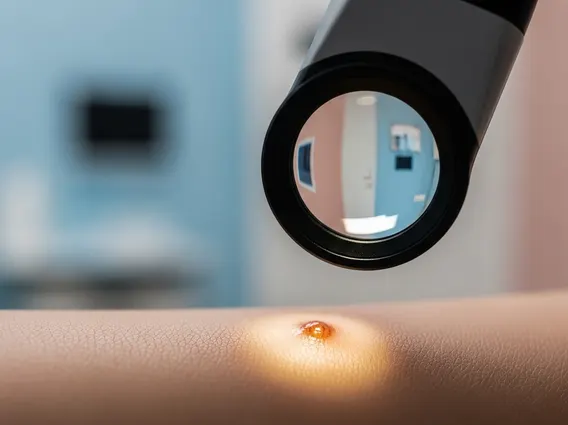
These lesions most frequently appear on sun-exposed areas such as the face, ears, neck, lips, back of the hands, and forearms. However, SCC can develop anywhere on the body, including areas not typically exposed to the sun, especially in individuals with weakened immune systems.
Several factors increase the risk of developing SCC. The primary cause is chronic exposure to ultraviolet (UV) radiation from sunlight or tanning beds. Other significant risk factors include having fair skin, a history of severe sunburns, a weakened immune system due to conditions like HIV/AIDS or immunosuppressive medications, certain chronic skin inflammations or infections, and exposure to specific chemicals like arsenic. Older age is also a contributing factor, as cumulative sun exposure increases over time.
Diagnosing and Treating Squamous Cell Carcinoma
The diagnosis of SCC typically begins with a thorough physical examination of the skin by a dermatologist. If a suspicious lesion is identified, a biopsy will be performed. During a biopsy, a small sample of the tissue is removed and sent to a laboratory for microscopic examination to confirm the presence of cancer cells and determine the type of skin cancer.
Squamous cell carcinoma causes and treatment are closely linked. While the primary cause is UV radiation, treatment strategies are tailored to the individual, considering the size, location, and aggressiveness of the tumor, as well as the patient’s overall health. The goal of treatment is to remove the cancer completely while preserving as much healthy tissue as possible. Common treatment options include:
Surgical removal is the most common and effective treatment for SCC. This can involve simple surgical excision, where the tumor and a margin of healthy skin are cut out. For more complex or recurrent cancers, Mohs micrographic surgery may be used, which involves removing thin layers of skin one at a time and examining each layer under a microscope until no cancer cells remain. Other treatments include curettage and electrodessication (scraping and burning the cancer cells), radiation therapy, and topical chemotherapy for very superficial lesions. In advanced or metastatic cases, systemic therapies such as targeted drugs or immunotherapy may be considered. Early detection and prompt treatment significantly improve the prognosis for individuals with SCC.