Soft Tissue
Soft Tissue refers to the non-bony parts of the body, encompassing a wide array of tissues that connect, support, or surround other structures and organs. These vital components are crucial for movement, stability, and overall bodily function.
Key Takeaways
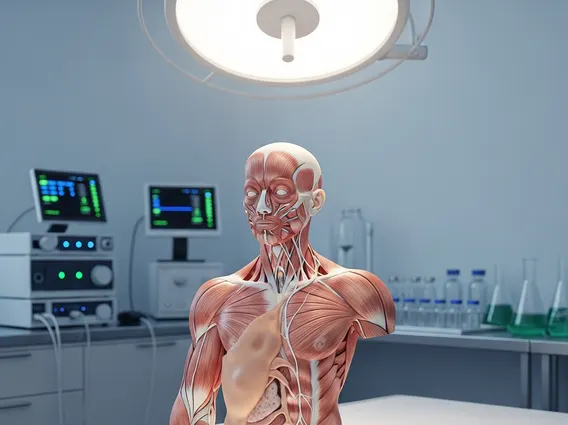
- Soft tissue includes muscles, tendons, ligaments, fascia, nerves, and blood vessels, providing structure and enabling movement.
- Its primary functions involve facilitating movement, providing support, protecting organs, and connecting various body parts.
- There are diverse **types of soft tissue in human body**, each with specialized roles, from contractile muscles to supportive connective tissues.
- **Common soft tissue injuries explained** include sprains, strains, contusions, and tendinitis, often resulting from trauma or overuse.
- Understanding soft tissue anatomy and function is essential for preventing and managing injuries effectively.
What is Soft Tissue: Anatomy and Key Functions
Soft Tissue is a broad category of biological tissues that connect, support, or surround other structures and organs of the body, excluding bone. It comprises muscles, tendons, ligaments, fascia, nerves, fibrous tissues, fat, and blood vessels. These tissues are fundamental to the body’s mechanics and physiological processes, providing both structural integrity and functional capabilities.
The **soft tissue function and anatomy** are intricately linked, enabling a wide range of bodily activities. Muscles, for instance, are composed of contractile fibers that facilitate movement, while tendons connect muscles to bones, transmitting force. Ligaments, on the other hand, connect bones to other bones, providing stability to joints. Fascia, a web-like connective tissue, envelops muscles, organs, and nerves, offering support and reducing friction. According to the World Health Organization (WHO), musculoskeletal conditions, which frequently involve soft tissue, are a leading cause of disability globally, underscoring the critical role of these tissues in health and mobility.
Types of Soft Tissue in the Human Body
The human body contains various **types of soft tissue in human body**, each with distinct characteristics and roles. These tissues work synergistically to maintain the body’s structure and allow for complex movements and functions. Understanding their individual properties is key to appreciating their collective importance.
- Muscles: Comprising skeletal, smooth, and cardiac muscle, these tissues are responsible for movement, organ function, and blood circulation.
- Tendons: Strong, fibrous connective tissues that attach muscles to bones, enabling the transmission of force for movement.
- Ligaments: Tough, elastic connective tissues that connect bones to other bones, providing stability to joints.
- Fascia: A sheet of connective tissue that surrounds and separates muscles, organs, and other soft structures, providing support and reducing friction.
- Nerves: Transmit electrical signals throughout the body, coordinating sensory, motor, and autonomic functions.
- Adipose Tissue (Fat): Provides insulation, energy storage, and protection for organs.
- Blood Vessels: Arteries, veins, and capillaries that transport blood, oxygen, nutrients, and waste products throughout the body.
Common Soft Tissue Injuries Explained
Common soft tissue injuries explained often result from acute trauma, overuse, or repetitive strain, leading to pain, swelling, and impaired function. These injuries can affect any of the soft tissues, ranging from mild discomfort to severe disability. Prompt and appropriate management is crucial for effective recovery and preventing long-term complications.
Some of the most prevalent soft tissue injuries include:
| Injury Type | Description | Common Causes |
|---|---|---|
| Sprains | Stretching or tearing of ligaments, often occurring around joints like ankles or knees. | Falls, twists, sudden impacts that force a joint beyond its normal range. |
| Strains | Stretching or tearing of muscles or tendons, frequently affecting the hamstrings, back, or neck. | Overexertion, improper lifting, sudden movements, or inadequate warm-up. |
| Contusions (Bruises) | Damage to small blood vessels under the skin, resulting from direct impact or trauma. | Direct blows, falls, or collisions that crush underlying soft tissue. |
| Tendinitis | Inflammation of a tendon, often due to repetitive motion or overuse. | Repetitive activities, poor posture, or sudden increases in activity level. |
| Bursitis | Inflammation of a bursa, a small fluid-filled sac that cushions bones, tendons, and muscles near joints. | Repetitive motion, prolonged pressure, or direct trauma to a joint. |
These injuries can significantly impact an individual’s quality of life and ability to perform daily activities. Early diagnosis and a tailored treatment plan, often involving rest, ice, compression, elevation (RICE), physical therapy, and pain management, are vital for optimal healing and rehabilitation.