Silybum Marianum
Silybum Marianum, commonly known as milk thistle, is a flowering herb native to the Mediterranean region. It has been utilized for centuries in traditional medicine, primarily for its potential benefits related to liver health.
Key Takeaways
- Silybum Marianum is a medicinal plant known for its active compound, silymarin.
- It has a long history of traditional use, particularly for supporting liver function.
- Research suggests potential antioxidant and anti-inflammatory properties that contribute to its health effects.
- The plant’s benefits extend beyond liver health, with ongoing studies exploring its broader applications.
- Always consult a healthcare professional before using Silybum Marianum supplements.
What is Silybum Marianum?
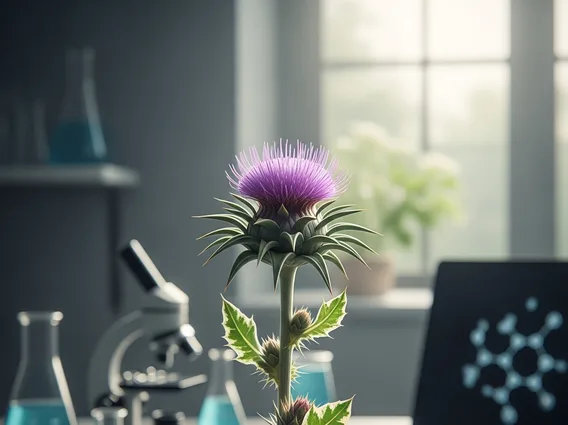
Silybum Marianum refers to a tall, thorny plant recognized by its distinctive purple flowers and white veins on its leaves, which are traditionally said to be milk from the Virgin Mary, hence its common name, milk thistle. This biennial plant belongs to the Asteraceae family and is indigenous to Southern Europe, North Africa, and the Middle East, though it is now cultivated worldwide. The primary active component responsible for its medicinal properties is a complex of flavonoids known as silymarin.
The plant’s robust nature and striking appearance are part of silybum marianum plant facts that highlight its resilience and historical significance. Silymarin, extracted from the plant’s seeds, is a potent antioxidant and anti-inflammatory agent. Historically, Silybum Marianum has been used for various ailments, including liver and gallbladder problems, and to protect the liver from toxins. Its use dates back over 2,000 years, with ancient Greek and Roman texts mentioning its therapeutic applications.
Silybum Marianum: Benefits, Uses, and Health Effects
The primary focus of research and traditional application for Silybum Marianum revolves around its hepatoprotective (liver-protective) qualities. The silybum marianum benefits and uses are largely attributed to silymarin, which is believed to stabilize liver cell membranes, stimulate protein synthesis, and regenerate damaged liver tissue. It also helps protect the liver from various toxins, including alcohol and certain medications. For instance, liver diseases are a significant global health concern, accounting for approximately 2 million deaths per year worldwide, according to the World Health Organization (WHO), underscoring the importance of liver health interventions.
Beyond liver support, the silybum marianum health effects are being explored in other areas due to its potent antioxidant and anti-inflammatory properties. These effects may contribute to its potential role in:
- Kidney Health: Studies suggest silymarin may offer protective effects against kidney damage.
- Blood Sugar Regulation: Some research indicates potential benefits for individuals managing blood sugar levels.
- Neuroprotection: Its antioxidant properties are being investigated for their potential to protect brain cells.
- Anticancer Properties: Preliminary studies show silymarin may inhibit the growth of certain cancer cells, though more research is needed.
While Silybum Marianum is generally considered safe for most people, it can cause mild side effects such as digestive upset. It is crucial to consult with a healthcare professional before incorporating Silybum Marianum into your health regimen, especially if you have pre-existing medical conditions or are taking other medications. Information regarding alternative or complementary therapies, such as Silybum Marianum, is for supportive purposes only and does not replace professional medical advice or treatment.