Sigmoidoscopy
Sigmoidoscopy is a medical procedure used to examine the lower part of the large intestine, specifically the sigmoid colon and rectum. It plays a crucial role in diagnosing various gastrointestinal conditions and screening for colorectal cancer.
Key Takeaways
- Sigmoidoscopy is a minimally invasive procedure to examine the rectum and sigmoid colon.
- It involves inserting a flexible, lighted tube with a camera to visualize the intestinal lining.
- Preparation typically includes dietary restrictions and bowel cleansing to ensure clear visualization.
- While less comprehensive than a colonoscopy, it offers benefits like quicker recovery and lower risk for specific screening needs.
- Common risks are minor, such as discomfort or bleeding, with serious complications being rare.
What is Sigmoidoscopy?
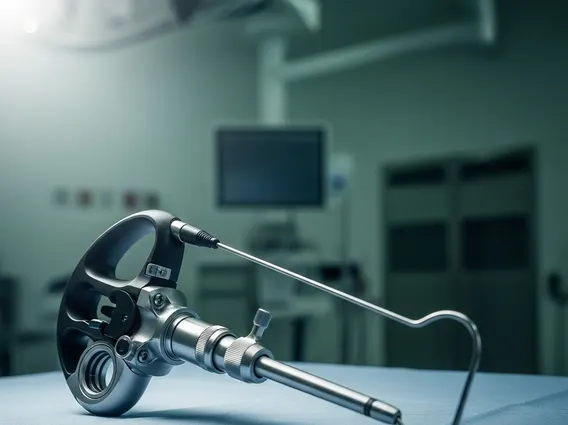
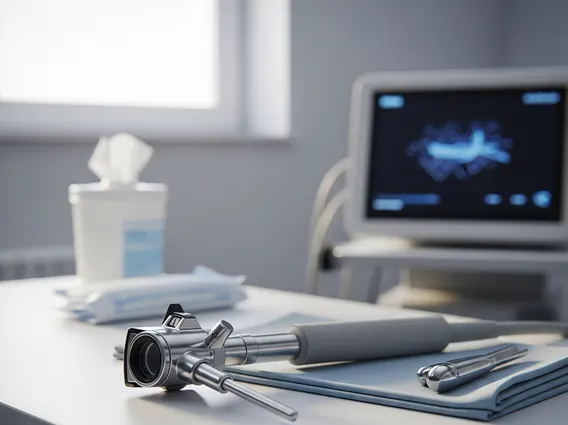
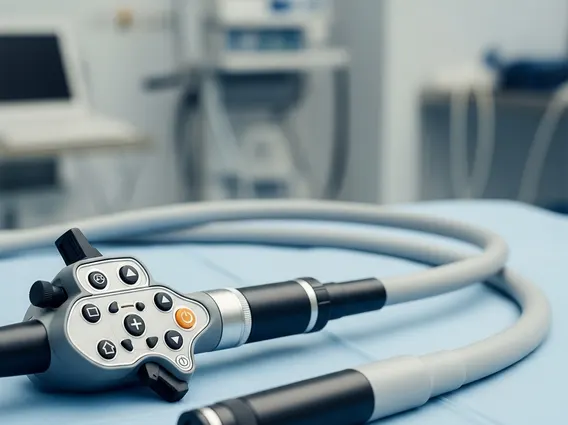
Sigmoidoscopy is a diagnostic medical procedure that allows a doctor to view the inside of the sigmoid colon and rectum. This examination is performed using a sigmoidoscope, which is a thin, flexible tube equipped with a light and a camera. The procedure helps in identifying abnormalities such as inflammation, polyps, ulcers, or cancerous growths in the lower part of the large intestine.
The primary purpose of a sigmoidoscopy is to investigate symptoms like rectal bleeding, changes in bowel habits, abdominal pain, or unexplained weight loss. It is also utilized as a screening tool for colorectal cancer, particularly for individuals who may not require a full colonoscopy or as an initial screening step. According to the American Cancer Society, colorectal cancer is the third most common cancer diagnosed in both men and women in the United States, highlighting the importance of screening procedures like this.
During what is a sigmoidoscopy procedure, the doctor carefully inserts the sigmoidoscope into the rectum and advances it through the sigmoid colon. Air is gently inflated into the colon to expand it, providing a clearer view of the lining. The camera transmits images to a monitor, allowing the physician to thoroughly inspect the tissue. If any suspicious areas are found, small tissue samples (biopsies) can be taken through the scope for further laboratory analysis.
Sigmoidoscopy Preparation and Procedure
Proper preparation is essential for a successful sigmoidoscopy, as it ensures the colon is clean and clear for optimal visualization. The specific sigmoidoscopy preparation instructions may vary slightly depending on the healthcare provider, but generally involve dietary modifications and bowel cleansing.
Typical preparation steps include:
- Dietary Restrictions: Patients are often advised to follow a clear liquid diet for 12 to 24 hours before the procedure. This includes clear broths, plain water, clear juices without pulp, and clear sports drinks.
- Bowel Cleansing: This usually involves using an enema or a laxative, or both, to empty the lower bowel. These are typically administered at home a few hours before the appointment.
- Medication Review: Patients should inform their doctor about all medications they are taking, especially blood thinners, as some may need to be adjusted or temporarily stopped.
On the day of the procedure, patients typically lie on their left side on an examination table. Sedation is usually not required for a sigmoidoscopy, though some patients may receive a mild sedative to help them relax. The doctor will perform a digital rectal exam before inserting the lubricated sigmoidoscope. The procedure itself usually takes about 10 to 20 minutes. Patients may experience a feeling of pressure, bloating, or cramping as the scope is advanced and air is introduced. After the examination, the scope is slowly withdrawn. Patients can usually resume normal activities immediately, though some may feel mild bloating or gas for a short period.
Flexible Sigmoidoscopy vs. Colonoscopy: Risks and Benefits
Both flexible sigmoidoscopy and colonoscopy are endoscopic procedures used to examine the large intestine, but they differ in their scope and application. Understanding the distinctions between flexible sigmoidoscopy vs colonoscopy is important for determining the most appropriate screening or diagnostic approach.
| Feature | Flexible Sigmoidoscopy | Colonoscopy |
|---|---|---|
| Area Examined | Rectum and sigmoid colon (lower part of large intestine) | Entire large intestine (colon) and rectum |
| Preparation | Less extensive; usually enema/laxative, clear liquid diet for 12-24 hours | More extensive; strong laxatives, clear liquid diet for 1-2 days |
| Sedation | Often not required; mild sedation optional | Usually required (moderate or deep sedation) |
| Procedure Time | 10-20 minutes | 30-60 minutes |
| Recovery | Immediate return to normal activities | Requires recovery from sedation; no driving for 24 hours |
| Screening Frequency | Every 5 years (if no polyps found) | Every 10 years (if no polyps found) |
While a colonoscopy provides a more comprehensive view of the entire colon, a flexible sigmoidoscopy is less invasive, requires less extensive preparation, and typically does not require sedation, leading to a quicker recovery. It is often chosen for targeted investigations or as a screening option for individuals at average risk who prefer a less invasive procedure, especially if the primary concern is conditions affecting the lower colon.
Regarding sigmoidoscopy risks and benefits, the benefits include early detection of colorectal cancer and precancerous polyps in the lower colon, which can be removed during the procedure, potentially preventing cancer progression. It is also effective in diagnosing inflammatory bowel disease or other causes of rectal bleeding. The risks associated with sigmoidoscopy are generally low. Minor risks include abdominal cramping, bloating, or a small amount of rectal bleeding. More serious complications, such as perforation of the colon or severe bleeding, are rare, occurring in less than 1 in 1,000 procedures. Patients should discuss any concerns with their healthcare provider to understand the potential risks and benefits in their specific situation.