Robot Assisted Laparoscopic Radical Prostatectomy
Robot Assisted Laparoscopic Radical Prostatectomy is a sophisticated surgical procedure primarily used to treat prostate cancer. This minimally invasive approach utilizes advanced robotic technology to enhance precision and improve patient outcomes compared to traditional open surgery.
Key Takeaways
- Robot Assisted Laparoscopic Radical Prostatectomy is a minimally invasive surgical option for prostate cancer.
- It involves removing the prostate gland using robotic instruments controlled by a surgeon.
- Benefits include smaller incisions, reduced blood loss, shorter hospital stays, and potentially faster recovery.
- Recovery time varies but often involves a quicker return to normal activities compared to open surgery.
- This procedure aims to remove cancerous tissue while preserving critical functions like urinary control and sexual health.
What is Robot Assisted Laparoscopic Radical Prostatectomy?
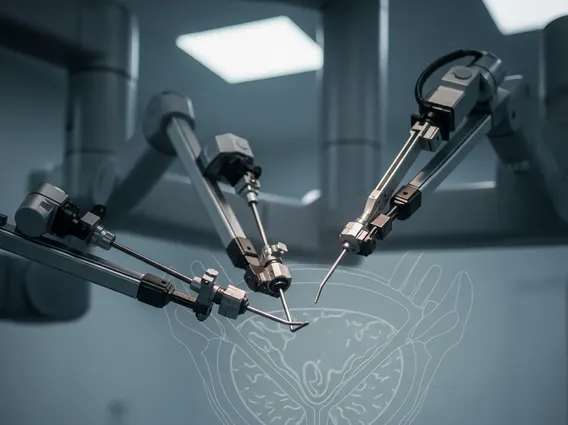
Robot Assisted Laparoscopic Radical Prostatectomy refers to a surgical procedure performed to remove the prostate gland and surrounding tissues, typically due to prostate cancer. This advanced technique combines the principles of laparoscopic surgery with the precision and dexterity offered by robotic systems. During the procedure, a surgeon controls robotic arms from a console, which manipulate tiny instruments and a high-definition 3D camera inserted through small incisions in the patient’s abdomen.
This method, often referred to as robotic prostate surgery explained, allows for a highly magnified view of the surgical field and greater range of motion for the instruments than human hands alone. This enhanced visualization and articulation enable the surgeon to perform intricate dissections and reattachments with remarkable accuracy, which is crucial when working around delicate nerves and blood vessels vital for urinary and sexual function.
Benefits of Robotic Prostate Surgery
The adoption of robotic technology in prostatectomy has led to several significant advantages over traditional open surgery. These laparoscopic radical prostatectomy benefits stem from the minimally invasive nature of the procedure and the technological enhancements provided by the robotic system. Patients often experience less pain post-operatively due to smaller incisions, which also contribute to a reduced risk of infection and less noticeable scarring.
Key benefits frequently observed include:
- Reduced Blood Loss: The precise nature of robotic instruments and enhanced visualization often lead to significantly less intraoperative blood loss compared to open surgery. Studies indicate that robotic prostatectomy can reduce blood loss by up to 50-70% compared to open radical prostatectomy, according to data compiled from various surgical outcomes (e.g., National Cancer Institute).
- Shorter Hospital Stay: Patients typically require a shorter stay in the hospital, often just one to two nights, allowing for a quicker return home.
- Faster Recovery: The minimally invasive approach generally translates to a quicker overall recovery period and a faster return to normal daily activities.
- Improved Functional Outcomes: The precision afforded by the robotic system may help in better preservation of nerve bundles responsible for erectile function and the urinary sphincter, potentially leading to improved rates of urinary continence and erectile function post-surgery.
Robot Assisted Prostatectomy Recovery Time
The robot assisted prostatectomy recovery time is generally shorter and less arduous than that following traditional open surgery, though it varies significantly among individuals. Most patients can expect to be discharged from the hospital within 1-2 days after the procedure. A urinary catheter is typically kept in place for about 1-2 weeks to allow the bladder and urethra to heal properly after the prostate removal and reattachment.
During the initial weeks, patients are advised to avoid heavy lifting and strenuous activities. While many individuals can resume light activities and office work within 2-4 weeks, full recovery, including the return of urinary control and erectile function, can take several months to a year or more. Regular follow-up appointments with the surgeon are crucial to monitor recovery progress, manage any side effects, and assess the long-term outcomes of the surgery.