
Retracted Nipple
A Retracted Nipple is a condition where the nipple, instead of pointing outwards, pulls inward into the breast tissue. This phenomenon can be present from birth or develop later in life, and understanding its nature is crucial for appropriate medical evaluation.
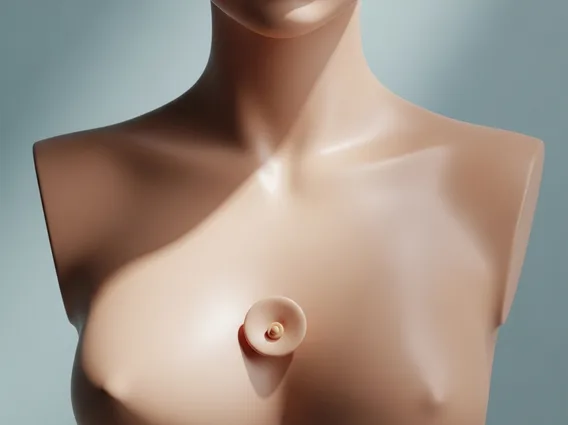
Key Takeaways
- A retracted nipple refers to an inward-pulling nipple, which can be present congenitally or acquired later in life.
- Acquired retraction, especially if new or unilateral, warrants immediate medical evaluation to rule out underlying conditions.
- Causes range from benign factors like ductal ectasia to more serious conditions such as breast cancer.
- Symptoms accompanying a retracted nipple, such as pain, discharge, or a breast lump, are significant warning signs.
- Differentiating a retracted nipple from an inverted nipple is important, as inverted nipples are typically benign and present since birth.
What is a Retracted Nipple?
What is a Retracted Nipple? A Retracted Nipple is characterized by the nipple drawing inward, creating a dimple or indentation on the breast surface. This condition can affect one or both breasts and varies in severity. While some individuals are born with a retracted nipple (congenital retraction), others develop it later in life (acquired retraction). Congenital retraction is often benign and results from shortened milk ducts or fibrous tissue, whereas acquired retraction can be a significant indicator of an underlying medical issue, necessitating prompt medical assessment.
The appearance of a newly retracted nipple, particularly if it occurs on only one side, is considered a red flag by healthcare professionals. It differs from a temporarily inverted nipple, which can often be everted with stimulation or manual manipulation. A truly retracted nipple may be fixed in its inward position and resistant to such efforts, signaling potential changes within the breast tissue.
Causes and Symptoms of Retracted Nipple
What causes a retracted nipple? The causes of a retracted nipple can vary widely, from benign anatomical variations to serious medical conditions. Congenital retraction is typically due to short lactiferous ducts or fibrous bands within the breast that pull the nipple inward from birth. Acquired retraction, however, often points to changes in the underlying breast tissue. Common causes include:
- Ductal Ectasia: A benign condition where milk ducts widen and thicken, which can lead to nipple retraction, discharge, and inflammation.
- Periductal Mastitis: An inflammation or infection of the tissue around the milk ducts, often associated with smoking.
- Fat Necrosis: A benign lump that forms when fatty breast tissue is damaged, often due to trauma or surgery.
- Breast Cancer: Certain types of breast cancer, particularly those affecting the ducts or underlying tissue, can cause the nipple to retract as the tumor grows and pulls on surrounding structures.
- Aging: Natural changes in breast tissue with age can sometimes lead to nipple retraction.
Retracted nipple symptoms and meaning extend beyond just the inward appearance. While the primary symptom is the nipple’s inward pull, accompanying signs can provide crucial clues about the underlying cause. These may include:
- Nipple discharge (clear, bloody, or pus-like)
- Pain or tenderness in the breast
- Redness, warmth, or swelling of the breast
- A palpable lump or thickening in the breast tissue
- Changes in breast skin texture, such as dimpling or an “orange peel” appearance (peau d’orange)
Any newly developed nipple retraction, especially when accompanied by these additional symptoms, should be evaluated by a healthcare provider without delay to determine its cause and initiate appropriate management.
Is a Retracted Nipple Dangerous? Differentiating from Inverted Nipple
Is a Retracted Nipple Dangerous? The danger associated with a retracted nipple largely depends on its origin. Congenital retraction is generally not dangerous and is primarily a cosmetic concern or a potential challenge for breastfeeding. However, an acquired retracted nipple, especially if it’s a recent development, unilateral, or accompanied by other symptoms, can be a sign of a serious underlying condition, including breast cancer. For instance, according to the American Cancer Society, nipple retraction is a potential symptom of breast cancer, emphasizing the need for thorough diagnostic evaluation.
Understanding the Retracted nipple vs inverted nipple difference is vital for proper assessment. While both involve an inward-pointing nipple, they have distinct characteristics and implications:
| Feature | Retracted Nipple | Inverted Nipple |
|---|---|---|
| Onset | Can be congenital or acquired (new development) | Typically congenital (present since birth) |
| Manual Eversion | Often fixed; difficult or impossible to pull out | Can usually be pulled out manually or with stimulation |
| Unilateral/Bilateral | Often unilateral if acquired; can be bilateral | Usually bilateral |
| Associated Symptoms | May have discharge, pain, lump, skin changes (if acquired) | Rarely associated with other symptoms |
| Clinical Significance | Acquired form requires urgent medical evaluation to rule out pathology (e.g., cancer) | Generally benign; may pose breastfeeding challenges |
In summary, while an inverted nipple is usually a benign anatomical variation, a newly retracted nipple, particularly if it’s fixed or accompanied by other breast changes, should always prompt a medical consultation. Early detection of any underlying issues is crucial for effective treatment and improved outcomes. It is important to remember that this information is supportive only and does not replace professional medical treatment or advice.



















