Retina
The Retina is a crucial light-sensitive layer of tissue located at the back of the eye, playing a vital role in vision. It is responsible for converting light into electrical signals that are then sent to the brain for interpretation.
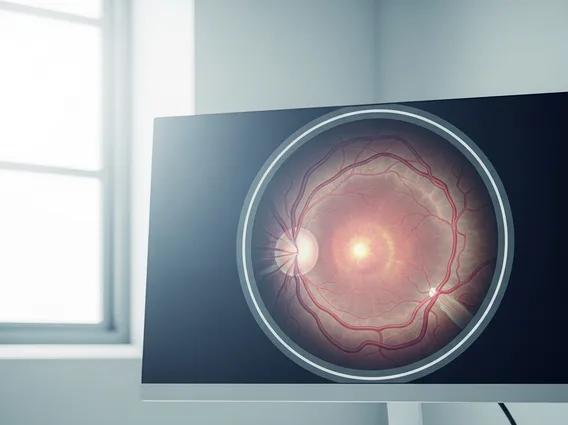
Key Takeaways
- The retina is the light-sensitive tissue at the back of the eye, essential for sight.
- It contains photoreceptor cells (rods and cones) that detect light and color.
- The retina converts light into neural signals, which are transmitted to the brain via the optic nerve.
- Various conditions, such as diabetic retinopathy and macular degeneration, can impair retinal function.
- Regular eye examinations are crucial for early detection and management of retinal diseases.
What is the Retina: Anatomy and Function
The Retina is a complex, multi-layered sensory tissue that lines the back of the eye. Its primary role is to capture light and initiate the process of vision. This intricate structure is roughly the size of a postage stamp and is essential for perceiving the world around us.
Understanding retina function and anatomy reveals its sophisticated design. The retina comprises several layers, including specialized cells called photoreceptors. There are two main types of photoreceptors:
- Rods: Highly sensitive to light and darkness, responsible for night vision and peripheral vision.
- Cones: Responsible for color vision and sharp, detailed central vision, concentrated in the macula, the central part of the retina.
When light enters the eye, it passes through the cornea and lens, eventually reaching the retina. The photoreceptors absorb this light, converting it into electrical impulses. These signals are then processed by other retinal cells before being sent to the brain via the optic nerve. The brain interprets these signals as visual images, allowing us to see. This entire process highlights the retina’s indispensable role in visual perception.
Retinal Diseases and Conditions
The delicate nature of the retina makes it susceptible to various conditions that can significantly impair vision, sometimes leading to permanent blindness if left untreated. Recognizing common retina problems is vital for early intervention and preserving eyesight.
Among the most prevalent diseases affecting the retina are:
Diabetic Retinopathy: This condition is a complication of diabetes, caused by damage to the blood vessels of the light-sensitive tissue at the back of the eye. High blood sugar levels can lead to these vessels leaking fluid or bleeding, distorting vision. According to the Centers for Disease Control and Prevention (CDC), diabetic retinopathy is the leading cause of blindness and low vision among working-age adults in the United States. Early symptoms might be mild or absent, but it can progress to severe vision loss.
Age-related Macular Degeneration (AMD): AMD is a common eye condition and a leading cause of vision loss among people 50 years and older. It causes damage to the macula, the central part of the retina responsible for sharp, detailed vision. There are two types: dry AMD, which involves thinning of the macula, and wet AMD, characterized by abnormal blood vessel growth under the retina that leaks fluid or blood. AMD primarily affects central vision, making tasks like reading and recognizing faces difficult.
Retinal Detachment: This is an emergency situation where the retina pulls away from the underlying tissue at the back of the eye. When the retina detaches, it loses its blood supply and nourishment, which can lead to permanent vision loss if not treated promptly. Symptoms often include a sudden increase in floaters, flashes of light, or a shadow or curtain appearing in the field of vision.
Regular comprehensive eye exams are crucial for detecting these and other retinal conditions early, often before noticeable symptoms arise. Early diagnosis and treatment can help manage the progression of these diseases and protect vision.