Response
Response in a clinical context refers to how a disease, especially cancer, reacts to treatment. It is a critical indicator used by healthcare professionals to assess the effectiveness of therapies and guide patient management.

Key Takeaways
- Response evaluates treatment effectiveness in medical conditions, particularly cancer.
- Types of Response include Complete Response, Partial Response, Stable Disease, and Progressive Disease.
- These classifications guide treatment adjustments and prognosis, informing clinical decisions.
- Effective communication regarding treatment Response is vital between healthcare providers and patients.
- Formulating a clear and empathetic communication Response enhances patient understanding and adherence.
What is Response?
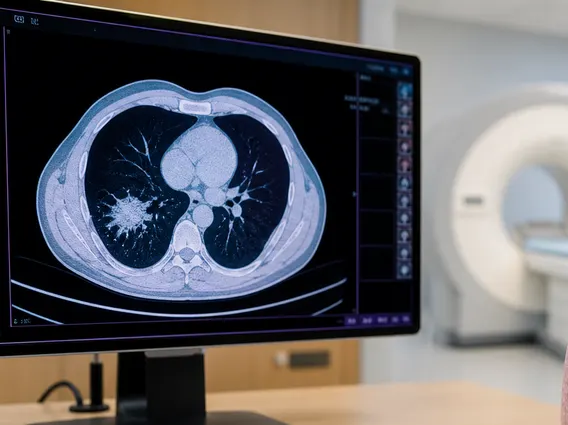
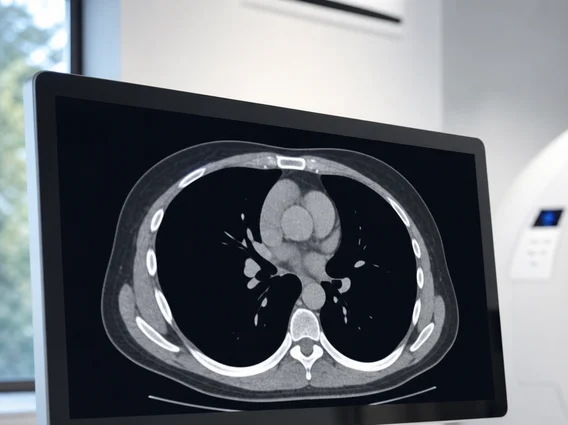
Response refers to the measurable change in a disease or condition in reaction to a specific treatment or intervention. In oncology, it is a crucial metric used to determine if a cancer therapy is working. Clinicians assess Response by comparing tumor size, spread, or other disease markers before and after treatment. This evaluation helps inform treatment decisions, predict prognosis, and contributes to the development of new therapies. For instance, a reduction in tumor size or the disappearance of detectable cancer cells signifies a positive Response to treatment.
The assessment of Response is often standardized using criteria like the Response Evaluation Criteria in Solid Tumors (RECIST) guidelines, which provide objective measures for evaluating changes in tumor burden. This standardization is vital for clinical trials and consistent patient care, ensuring that treatment effectiveness can be compared and understood across different settings and studies. According to the National Cancer Institute, standardized response criteria are essential for accurately interpreting clinical trial results and guiding treatment protocols.
Different Types of Response
In medical practice, particularly in oncology, different types of responses are categorized to provide a standardized way of evaluating treatment efficacy. These classifications are based on established criteria, such as the RECIST guidelines, which help ensure consistency across studies and clinical settings. Understanding these categories is essential for both clinicians and patients to interpret treatment outcomes accurately.
The primary classifications of Response are:
| Type of Response | Description |
|---|---|
| Complete Response (CR) | The disappearance of all target lesions and any evidence of disease. This means there are no signs of cancer remaining after treatment. |
| Partial Response (PR) | A significant decrease in the size of target lesions, typically at least a 30% reduction in the sum of diameters of target lesions. Some cancer may still be present, but it has shrunk considerably. |
| Stable Disease (SD) | Neither sufficient shrinkage to qualify for Partial Response nor sufficient increase to qualify for Progressive Disease. The cancer has not grown or shrunk significantly. |
| Progressive Disease (PD) | An increase in the size of target lesions, typically at least a 20% increase in the sum of diameters, or the appearance of new lesions. This indicates the treatment is not working, and the cancer is growing or spreading. |
These classifications are critical for guiding subsequent treatment decisions. For example, a patient achieving a Complete Response might move to a monitoring phase, while a patient with Progressive Disease would likely require a change in therapy. Regular assessment of Response is a cornerstone of effective cancer management.
Understanding Response in Communication
The meaning of response in communication within a clinical setting extends beyond just the biological reaction to treatment; it encompasses the verbal and non-verbal exchanges between patients, their families, and healthcare providers. Effective communication regarding a patient’s medical Response is paramount for shared decision-making, patient adherence to treatment plans, and overall patient satisfaction. A healthcare provider’s ability to communicate complex medical information clearly and empathetically can significantly influence a patient’s understanding and emotional well-being.
To formulate a good Response in clinical communication, healthcare professionals must consider several factors. This involves not only conveying the medical facts about a patient’s treatment outcome but also addressing their concerns, fears, and expectations. A good Response is clear, concise, compassionate, and tailored to the individual patient’s level of understanding. It often involves active listening, asking open-ended questions, and confirming comprehension. For instance, when discussing a patient’s treatment Response, a provider might explain what a “Partial Response” means for their specific condition, what the next steps are, and answer any questions the patient or family may have, ensuring they feel heard and informed. This collaborative approach fosters trust and empowers patients in their healthcare journey.