Respiratory Therapy
Respiratory Therapy is a specialized healthcare discipline focused on the assessment, treatment, and management of patients with cardiopulmonary diseases. It plays a crucial role in improving the breathing and overall respiratory health of individuals across all age groups.
Key Takeaways
- Respiratory Therapy is a healthcare specialty addressing cardiopulmonary conditions.
- Respiratory therapists assess, treat, and manage patients’ breathing difficulties.
- Treatments range from oxygen therapy to mechanical ventilation and airway management.
- It significantly improves lung function, reduces symptoms, and enhances patient quality of life.
What is Respiratory Therapy?
Respiratory Therapy is an allied health profession dedicated to the diagnosis, treatment, and ongoing care of patients suffering from respiratory and cardiovascular diseases. This field encompasses a wide range of interventions designed to help individuals maintain or improve their lung function and overall breathing capacity. Respiratory therapists work with patients experiencing conditions such as asthma, chronic obstructive pulmonary disease (COPD), cystic fibrosis, sleep apnea, and acute respiratory distress syndrome. The primary goal is to optimize gas exchange, reduce the work of breathing, and prevent respiratory complications, thereby enhancing the patient’s quality of life. These highly skilled professionals are integral members of healthcare teams, providing essential care in diverse settings from hospitals and intensive care units to outpatient clinics, rehabilitation centers, and even patients’ homes. According to the World Health Organization (WHO), chronic respiratory diseases are among the leading causes of death and disability globally, affecting hundreds of millions of people and highlighting the critical need for effective respiratory care.
Role of a Respiratory Therapist and Common Treatments
The role of a respiratory therapist is multifaceted, involving direct patient care, comprehensive assessment, patient education, and close collaboration with other healthcare professionals. They are experts in advanced life support techniques, including mechanical ventilation, and are frequently found on the front lines in critical care units, emergency rooms, and neonatal intensive care units, as well as in outpatient clinics and home care settings. Their responsibilities are broad, encompassing the assessment of lung function through various diagnostic tests, administering prescribed medications, managing complex life support equipment like ventilators, and educating patients and their families about their condition, medication adherence, and self-management strategies. This educational component is crucial for long-term success in managing chronic respiratory illnesses.
Common respiratory therapy treatments include:
- Oxygen Therapy: Administering supplemental oxygen to patients experiencing hypoxemia (low blood oxygen levels) to ensure adequate tissue oxygenation.
- Nebulizer Treatments: Delivering aerosolized medications directly into the lungs to open airways, reduce inflammation, or thin mucus.
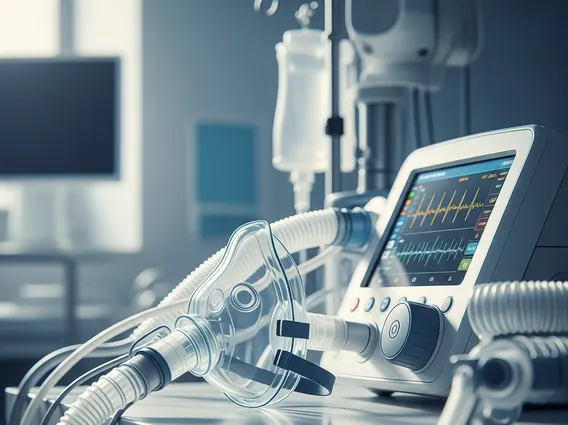
- Mechanical Ventilation: Providing breathing support for patients unable to breathe adequately on their own, often utilized in critical care settings for conditions like acute respiratory failure.
- Airway Management: Techniques such as suctioning, intubation, and tracheostomy care to maintain a clear and patent airway.
- Pulmonary Rehabilitation: Comprehensive programs involving supervised exercise, disease education, and nutritional counseling to improve lung function and reduce symptoms for individuals with chronic lung conditions.
- Chest Physiotherapy: Techniques including percussion, vibration, and postural drainage to help clear mucus and secretions from the lungs, commonly used for conditions such as cystic fibrosis and bronchiectasis.
These interventions are carefully tailored to individual patient needs, aiming to stabilize respiratory function, promote recovery, and prevent further complications.
Benefits of Respiratory Therapy
The benefits of respiratory therapy are extensive, contributing significantly to patient well-being and overall healthcare outcomes. For individuals with chronic respiratory conditions, therapy can lead to substantial improvements in lung function, a marked reduction in shortness of breath, and enhanced exercise tolerance. This often translates directly into a better quality of life, enabling patients to participate more actively in daily activities and maintain greater independence. Respiratory therapy also plays a crucial role in preventing acute exacerbations and reducing hospital readmissions, which can be frequent and debilitating for conditions like COPD and asthma. By providing thorough education on medication adherence, correct inhaler techniques, and beneficial lifestyle modifications, respiratory therapists empower patients to better understand and manage their conditions independently. Furthermore, in acute care settings, respiratory therapy is absolutely vital for life support, ensuring adequate oxygenation and ventilation for critically ill patients, thereby improving survival rates and facilitating smoother recovery trajectories. Effective respiratory care helps patients breathe easier, live fuller lives, and navigate complex health challenges with greater confidence and comprehensive support.