Receptor Tyrosine Kinase
Receptor Tyrosine Kinases (RTKs) are a diverse family of cell surface receptors that play crucial roles in cellular communication, growth, differentiation, metabolism, and survival. Their proper function is essential for maintaining physiological balance, while their dysregulation is frequently implicated in various diseases.
Key Takeaways
- Receptor Tyrosine Kinases (RTKs) are cell surface receptors vital for cell growth, differentiation, and survival.
- They activate intracellular signaling pathways upon ligand binding, transmitting signals from the cell exterior to the interior.
- Key signaling pathways include MAPK, PI3K/Akt, and STAT pathways, regulating diverse cellular processes.
- Dysregulation of RTKs, often through mutations or overexpression, is a significant driver in the development and progression of many diseases, particularly cancers.
- Targeting RTK activity is a cornerstone of modern therapeutic strategies for various conditions.
What is Receptor Tyrosine Kinase (RTK)?
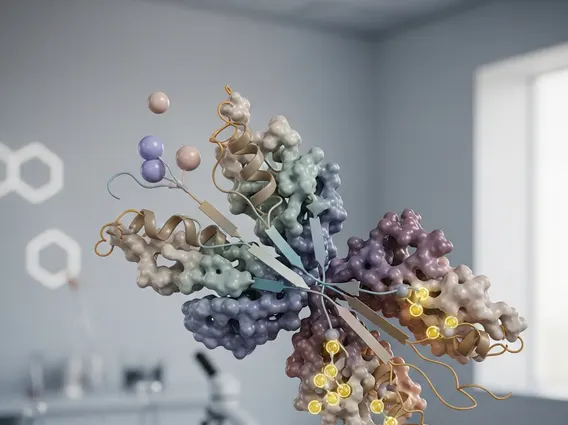
Receptor Tyrosine Kinase (RTK) refers to a class of high-affinity cell surface receptors for many polypeptide growth factors, cytokines, and hormones. These receptors are critical components of the cellular machinery that translates extracellular signals into intracellular responses, thereby controlling fundamental cellular functions. Structurally, RTKs typically consist of an extracellular ligand-binding domain, a single transmembrane helix, and an intracellular domain containing a protein tyrosine kinase activity. Upon binding of specific ligands, such as epidermal growth factor (EGF) or insulin, RTKs undergo dimerization and autophosphorylation of tyrosine residues within their intracellular domains. This phosphorylation creates docking sites for various intracellular signaling proteins, initiating a cascade of downstream events.
Receptor Tyrosine Kinase Signaling Pathways
The activation of receptor tyrosine kinase signaling pathway is a finely tuned process that orchestrates a multitude of cellular responses. Once activated by ligand binding and autophosphorylation, RTKs recruit and activate various adaptor proteins and enzymes containing Src homology 2 (SH2) domains or phosphotyrosine-binding (PTB) domains. These recruited proteins then propagate the signal through several major intracellular pathways. A primary aspect of receptor tyrosine kinase function involves their ability to initiate these complex signaling cascades.
Key downstream signaling pathways include:
- RAS/MAPK Pathway: Often activated by growth factors, this pathway regulates cell proliferation, differentiation, and survival. It involves the sequential activation of Ras, Raf, MEK, and ERK kinases.
- PI3K/Akt Pathway: Crucial for cell growth, survival, and metabolism, this pathway is activated by phosphatidylinositol 3-kinase (PI3K), leading to the phosphorylation and activation of Akt (protein kinase B).
- STAT Pathway: Signal Transducers and Activators of Transcription (STATs) are transcription factors that, upon phosphorylation by RTKs or associated kinases, translocate to the nucleus to regulate gene expression, particularly those involved in cell growth and immune responses.
These pathways are highly interconnected and tightly regulated, ensuring appropriate cellular responses to external stimuli.
Role of Receptor Tyrosine Kinase in Disease
The role of Receptor Tyrosine Kinase in disease is profound, as their dysregulation can lead to a wide spectrum of pathological conditions. Aberrant RTK activity, often resulting from mutations, gene amplification, or overexpression, is a hallmark of many cancers. For instance, mutations in the epidermal growth factor receptor (EGFR) are frequently found in non-small cell lung cancer, while HER2 amplification is a well-known driver in breast cancer. These alterations can lead to constitutive activation of RTK signaling pathways, promoting uncontrolled cell proliferation, survival, angiogenesis, and metastasis.
Beyond cancer, dysregulated RTK signaling is implicated in other diseases, including metabolic disorders, where insulin receptor dysfunction contributes to insulin resistance and type 2 diabetes. Furthermore, certain RTKs are involved in inflammatory and autoimmune diseases through their role in immune cell activation, and altered RTK signaling can impact neuronal survival and function in neurodegenerative disorders.
Understanding the specific RTK alterations in a disease context has paved the way for targeted therapies. Tyrosine kinase inhibitors (TKIs) are a class of drugs designed to block the activity of specific RTKs, effectively disrupting the aberrant signaling pathways. These therapies represent a significant advancement in precision medicine, offering more effective and less toxic treatment options for patients with RTK-driven diseases.